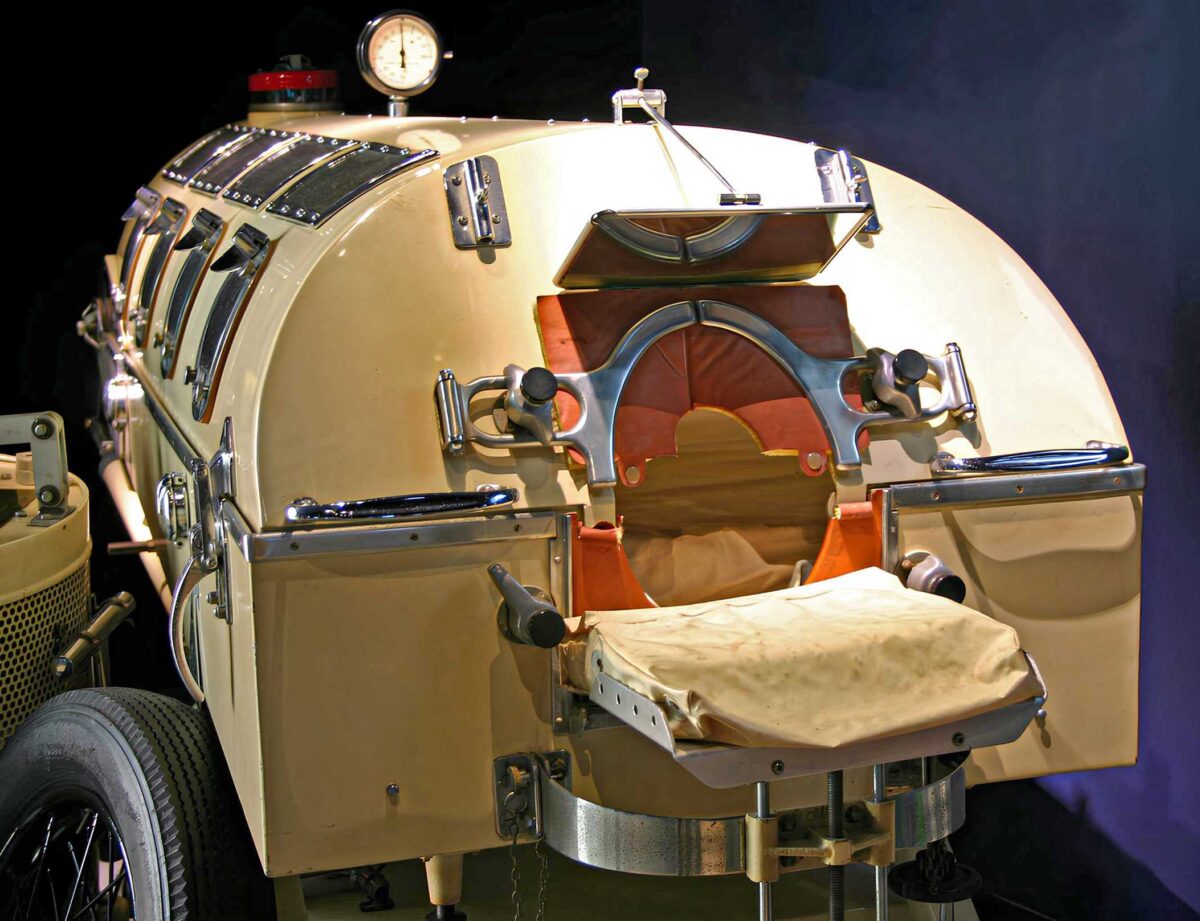
Understanding the Iron Lung
The iron lung, also known as a negative pressure ventilator, is a vital medical device historically used to provide respiratory support to patients suffering from polio and other conditions affecting breathing. As cases of polio surged in the mid-20th century, the iron lung became a symbol of hope for many. Its design allows for mechanical ventilation by creating negative pressure around the body, thus enabling the patient to inhale and exhale when they are unable to do so independently.
History and Development
The iron lung was first developed in the 1920s and gained prominence during the polio epidemics of the 1940s and 1950s. The device works by enclosing the patient’s body, except for the head, and varying the air pressure within the chamber to stimulate breathing. Approximately 1,200 patients used iron lungs at the height of the polio epidemic in the United States. Their importance diminished with the advent of the polio vaccine; however, there are still cases where iron lungs provide critical assistance.
Current Relevance and Technological Advancements
In recent years, due to the resurgence of certain viral infections and respiratory diseases, the iron lung has seen renewed interest. Although modern ventilators with advanced technology have largely replaced iron lungs, they serve as a reminder of the medical innovations of the past. The design principles behind the iron lung have influenced the development of contemporary respiratory assistance devices. Health professionals and historians stress the importance of preserving iron lungs not just as medical artifacts but as educational tools that showcase medical history and the evolution of respiratory care.
Conclusion and Future Outlook
As we reflect on the history of the iron lung, it becomes clear that while its prominence may have diminished, its legacy continues to impact respiratory care. With emerging viral diseases, healthcare systems must remain vigilant and ready to adapt. The iron lung teaches us the importance of innovation in medicine, highlighting how historical devices can inform future advancements. Understanding these legacies equips medical professionals and society to tackle the challenges of modern medicine and safeguard public health effectively.