Introduction
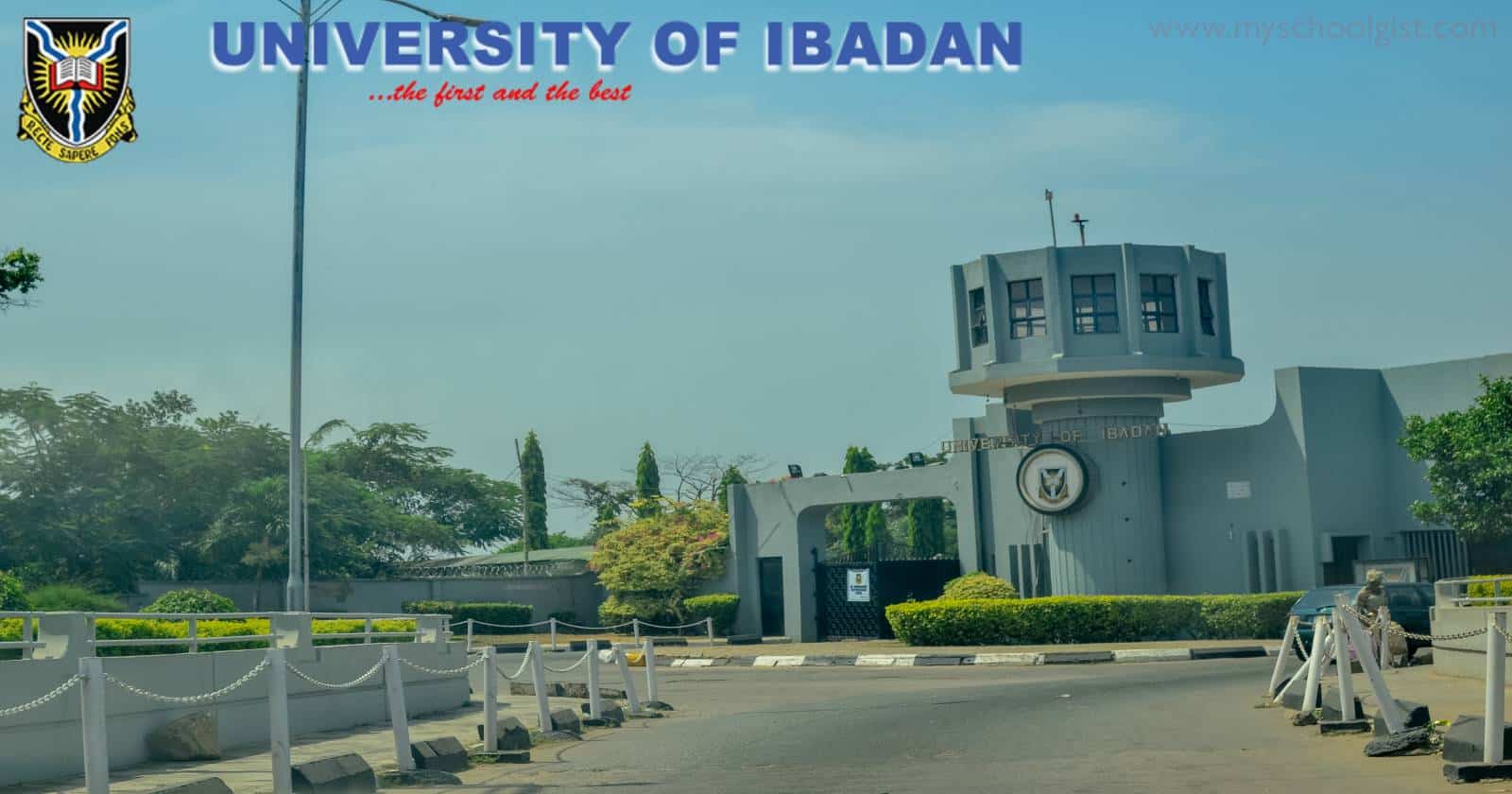
The University of Ibadan (UI) holds a prominent position as Nigeria’s premier university, established in 1948. As the first university in Nigeria, UI has continually shaped the educational landscape of the country. The university not only serves as a hub for academic excellence but also plays a crucial role in research and community development. With ongoing developments and initiatives, understanding these changes is vital for prospective students, current attendees, and the community at large.
Recent Events and Developments
Recently, the University of Ibadan has made headlines for several initiatives aimed at enhancing academic and social environments. In November 2023, the university announced a significant investment in research facilities, totaling over 1 billion Naira. This investment is designed to bolster research in science, technology, engineering, and mathematics (STEM), and it aligns with the university’s vision to be a global center of research excellence.
Additionally, the University of Ibadan hosted its annual academic conference on innovation in education, attracting scholars and educators from around the world. The event focused on the impact of technology in education, particularly in the post-pandemic era, highlighting UI’s commitment to advancing educational methodologies.
Community Engagement
The university also continues to engage actively with its surrounding community. Through its Community Development Service, UI has launched various outreach programs, including health initiatives and educational workshops aimed at improving literacy rates among youth in the region. These programs not only contribute to community well-being but also provide valuable hands-on experience for students involved.
Looking Ahead
As the University of Ibadan moves into 2024, there are optimistic forecasts of heightened collaboration with international universities, aiming to enhance academic exchange and research partnerships. The administration has expressed a commitment to increasing the number of scholarships available for prospective students from diverse backgrounds, making higher education more accessible.
Conclusion
In conclusion, the University of Ibadan continues to evolve as a pillar of higher education in Nigeria, responding to the changing academic and social needs of its students and the broader community. The recent investments and initiatives signal a promising future for the university as it aims to uphold its reputation as a leading institution, fostering innovation, research, and community engagement.