Introduction
The issue of wage award arrears within the Federal Capital Territory Administration (FCTA) has emerged as a significant concern for workers and the government. As Nigeria continues to tackle challenges in public service compensation, discussing the implications of the wage award arrears is crucial. These arrears impact thousands of workers and raise important questions about fiscal policy, worker motivation, and administrative efficiency.
Current Situation
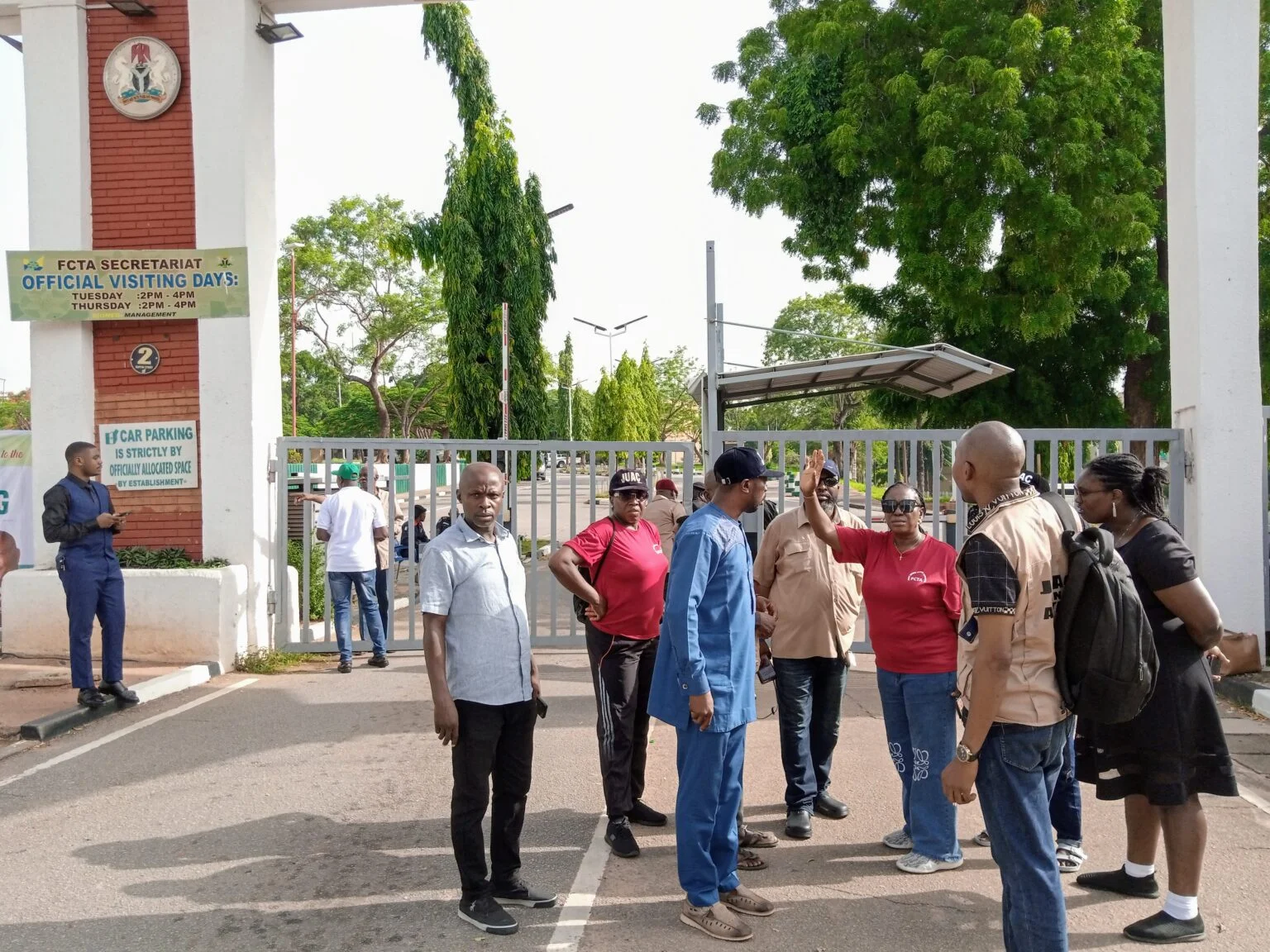
As of late 2023, reports indicate that many employees within the FCTA are still awaiting payment of wage awards that were promised as part of previous negotiations with labor unions. These wage awards were designed to address salary discrepancies and improve workers’ welfare. However, delays in disbursement have resulted in growing frustration among employees, leading to protests and calls for government accountability.
The FCTA has acknowledged these arrears, citing budgetary constraints and administrative complications as reasons for the delays. The last update from the administration revealed that measures are being taken to process outstanding payments, but skepticism remains among workers who have seen little to no action.
Effects on Employees and the Economy
The ongoing wage award arrears have profound effects on employees, affecting their morale and financial stability. Many workers rely on these payments for their day-to-day living expenses, and the delay has exacerbated hardship for families depending on public service salaries. Furthermore, such situations can deter potential talent from joining the FCTA, leading to a decline in workforce quality.
From an economic standpoint, the situation poses risks as well. Unresolved payment issues can hinder productivity within public services, which in turn can affect local governance and overall economic performance in the region. The inability to effectively manage wage payments can diminish public trust in government institutions, further complicating future negotiations and policy implementation.
Conclusion
The FCTA wage award arrears present a critical issue that requires immediate attention from policy-makers. The ongoing delays not only affect the livelihood of employees but also pose broader economic consequences. As the government moves towards resolving these arrears, transparency, and accountability will be essential in rebuilding trust with the workforce. Ultimately, addressing these wage concerns could lead to enhanced employee morale and improved public service delivery in Nigeria’s capital.