Introduction
Namibia, a country located in the southwest of Africa, is known for its stunning landscapes, diverse wildlife, and rich cultural heritage. Recent developments in Namibia are crucial as they reflect the nation’s economic progress, environmental conservation efforts, and the social challenges it faces. This article delves into the latest events and trends shaping the future of Namibia, highlighting its significance for both local citizens and international observers.
Economic Growth and Recovery
In 2023, Namibia has been showing signs of economic recovery after facing various challenges due to the COVID-19 pandemic. According to the Namibia Statistics Agency, the country’s GDP grew by 3.5% in the second quarter of 2023, driven by sectors such as mining, agriculture, and tourism. Efforts to diversify the economy are also underway, with significant investments in renewable energy sources. The government is focusing on large-scale solar and wind projects to ensure sustainable economic growth.
Conservation Efforts and Wildlife Protection
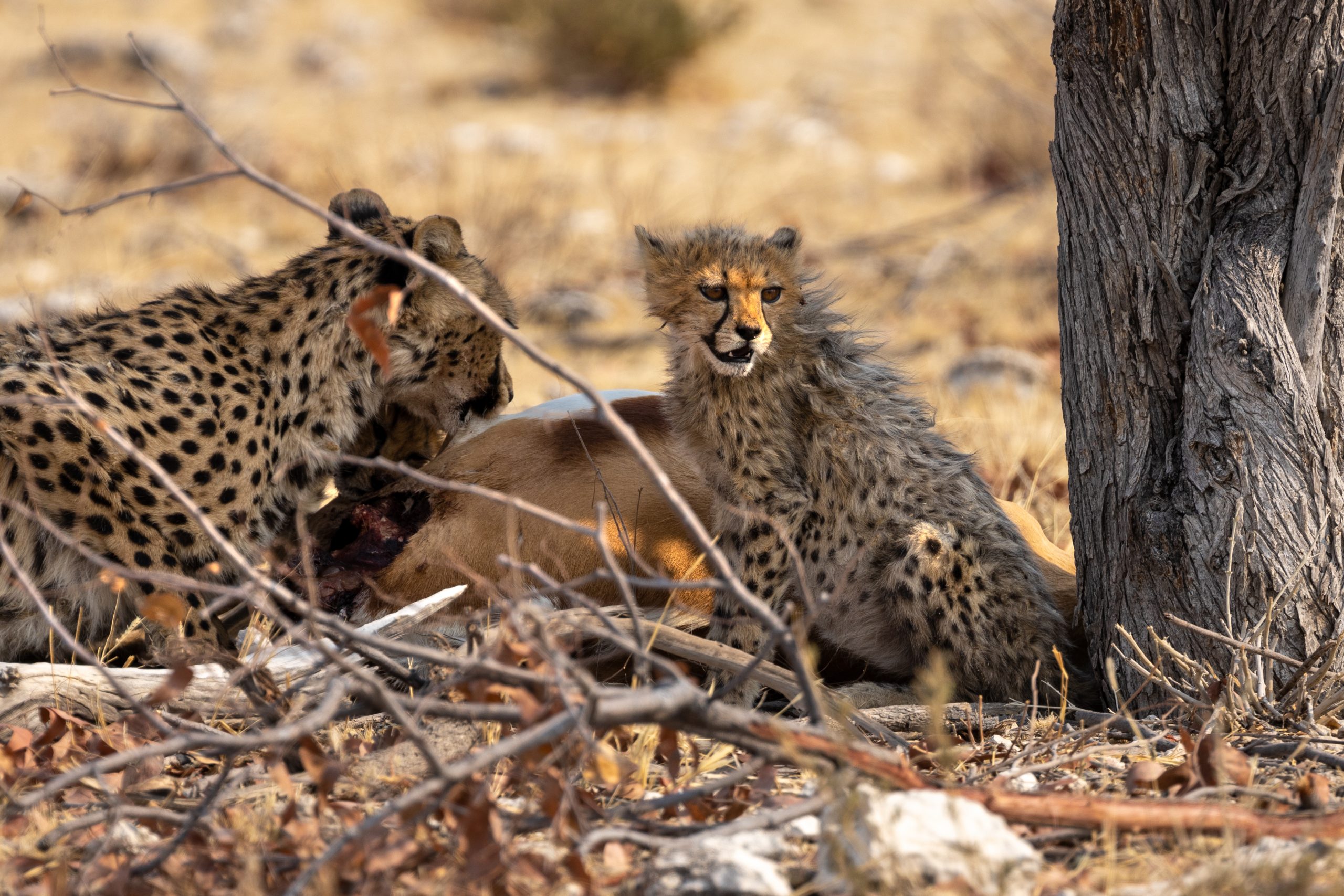
Another notable development in Namibia is its commitment to conservation and wildlife protection. As home to some of Africa’s last populations of desert-adapted elephants and black rhinos, Namibia has taken innovative steps to involve local communities in wildlife management. The Namibian government’s approach includes Community-Based Natural Resource Management (CBNRM) programs that empower communities to manage their natural resources sustainably. Recent reports indicate that the population of black rhinos has increased, showcasing the effectiveness of these initiatives.
Social Challenges and Development Initiatives
Despite the progress, Namibia still faces significant social challenges, including high unemployment rates and inequality. The government has initiated various programs to address these issues, focusing on education and skills development. The Namibia Youth Empowerment Program, launched in 2022, aims to provide young people with vocational training and employment opportunities. By prioritizing human capital development, Namibia is working towards improving the livelihoods of its citizens.
Conclusion
In conclusion, Namibia is at a critical juncture in its development narrative. While it grapples with social challenges, the country’s economic growth, commitment to conservation, and innovative approaches to community engagement provide hope for a brighter future. As Namibia continues to evolve, it serves as a model for sustainable development in Africa, showing that with the right policies and community involvement, progress can be made. The importance of international support and collaboration cannot be overstated, as it will play a significant role in ensuring Namibia’s future prosperity.