Introduction
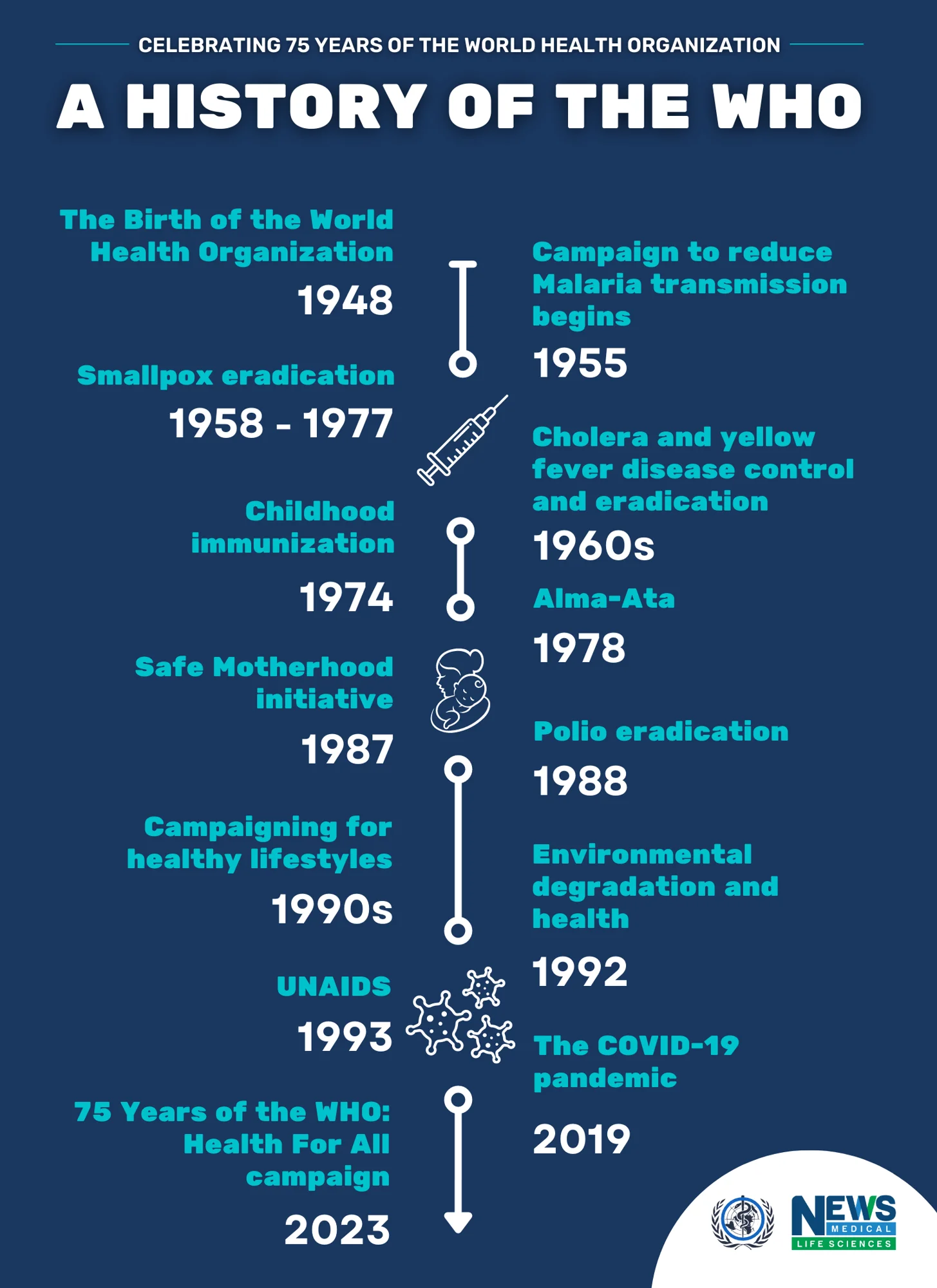
The World Health Organization (WHO) is a specialized agency of the United Nations responsible for international public health. Established in 1948, its mission is to ensure that all people attain the highest possible level of health. With ongoing global challenges like pandemics, climate change, and health inequities, the relevance of WHO has never been more prominent.
Recent Activities
In 2023, the WHO has taken significant strides in addressing health concerns worldwide, particularly in response to the COVID-19 pandemic. The organization launched various initiatives aimed at improving vaccine accessibility and combating misinformation. WHO has also been instrumental in coordinating international efforts to monitor and respond to emerging diseases.
Moreover, WHO has reinforced its commitment to mental health, emphasizing the importance of mental well-being in the aftermath of the pandemic. Recent reports indicate a surge in mental health disorders globally, prompting WHO to advocate for improved mental health services and awareness.
Global Health Challenges
The organization continues to face numerous global health challenges, such as the rise of antibiotic-resistant infections, the impact of climate change on health, and the access disparities in healthcare. In its latest report, WHO highlighted that nearly 2 billion people lack access to basic health services, particularly in low and middle-income countries. WHO’s initiatives, like the Universal Health Coverage (UHC) program, focus on addressing these disparities.
WHO’s Future Directions
Looking ahead, WHO plans to strengthen its global health systems framework and enhance its response capacities for future health emergencies. With climate change affecting health conditions worldwide, WHO aims to integrate health considerations into climate action plans. The upcoming World Health Assembly will be crucial as member states will discuss strategies for improving health responses on a global scale.
Conclusion
The significance of the World Health Organization in today’s world cannot be overstated. As it continues to lead efforts to promote health, prevent diseases, and respond to global health emergencies, understanding WHO’s strategies and challenges is essential for individuals and governments alike. The collaborative efforts of WHO and member states will be vital in ensuring a healthier future for all, amidst an ever-evolving global landscape.