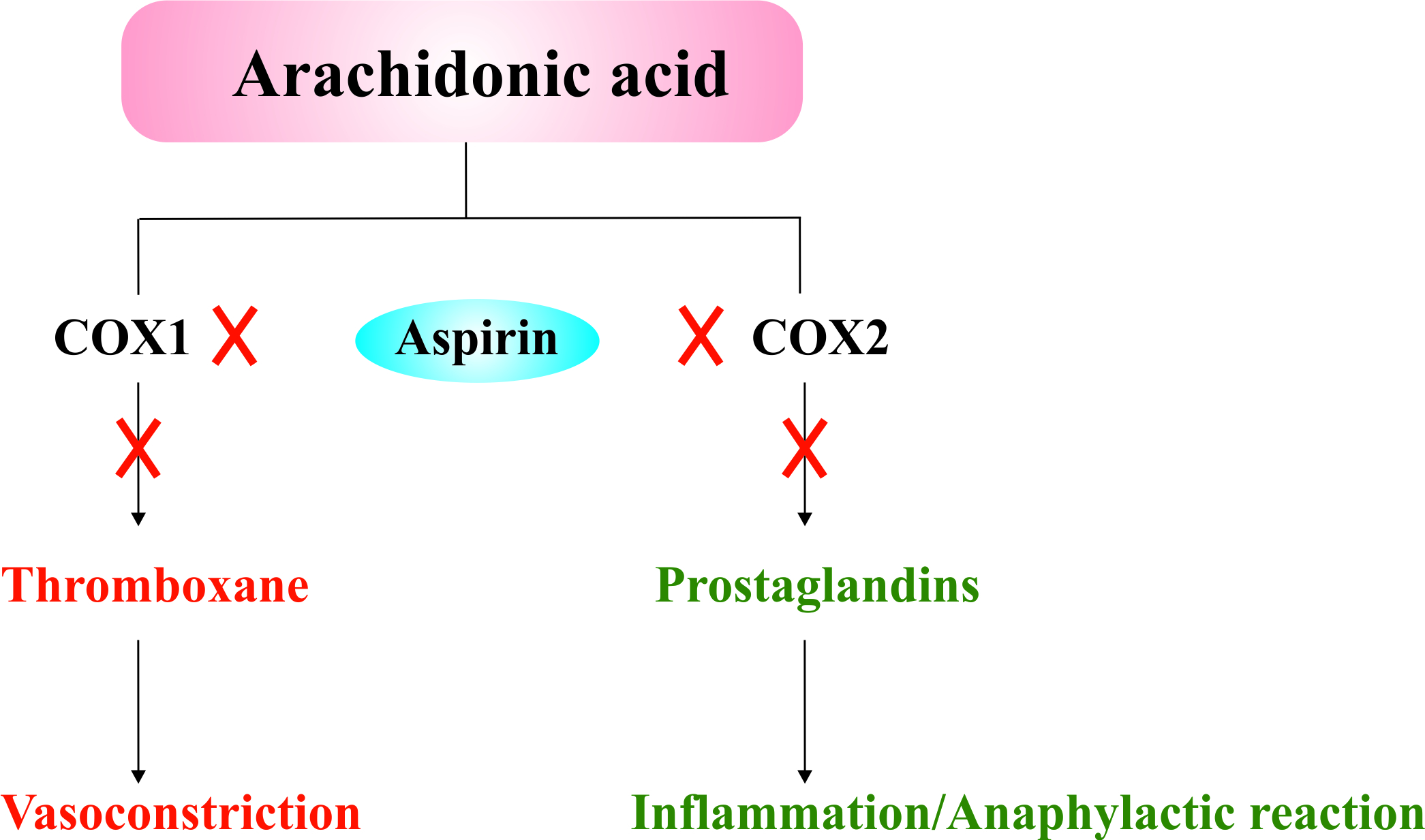
Introduction: The Significance of Aspirin
Aspirin, a widely recognized medication, has a profound impact on modern medicine. Used for pain relief, inflammation reduction, and as an antipyretic, its benefits extend beyond simple headaches. The relevance of aspirin in preventing cardiovascular diseases and its role in ongoing medical research make it a topic worth discussing in today’s healthcare landscape.
Historical Background
Aspirin’s history dates back to its original synthesis in 1897 by Felix Hoffmann, a chemist at Bayer. This revolutionary compound was developed from salicylic acid, which was derived from willow bark and used for centuries. The name ‘Aspirin’ itself comes from the ‘A’ in acetyl and ‘spir’ from spiraea, a genus of plants from which salicylic acid is derived. Since its introduction, aspirin has been widely utilized in various forms, including tablets, powders, and effervescent formulations.
Current Uses of Aspirin
Today, aspirin is celebrated for its anti-inflammatory properties and its ability to alleviate pain and reduce fever. In addition to these common uses, research has shown that low-dose aspirin can significantly lower the risk of heart attacks and strokes in individuals with certain risk factors. According to recent studies published in medical journals, approximately 29% of adults in the U.S. regularly take aspirin for cardiovascular prevention.
Recent Developments in Aspirin Research
Recent advancements indicate that aspirin might play a role in cancer prevention, particularly in colorectal cancer. A study from the Journal of the American Medical Association (JAMA) in 2022 highlighted the potential link between long-term aspirin use and a reduced risk of developing this type of cancer. However, it is important for healthcare providers to assess the risks and benefits of aspirin therapy for individual patients, as it can lead to gastrointestinal bleeding and other complications.
Conclusion: The Future of Aspirin
The significance of aspirin cannot be overstated; its longevity in the medical field speaks to its effectiveness and versatility. As studies continue to explore its roles in chronic disease prevention and treatment, aspirin remains a staple in medication cabinets globally. Awareness of its uses and potential side effects is crucial for patients and healthcare providers alike. Moreover, ongoing research may unveil new benefits of this century-old medicine, further solidifying its position in therapeutic practices. As we move forward, individuals are encouraged to consult healthcare professionals regarding the appropriate use of aspirin, ensuring both safety and effectiveness in treatment.