Introduction
Konrad Adenauer, Germany’s first Chancellor after World War II, played a pivotal role in shaping modern Germany. His leadership from 1949 to 1963 was crucial in leading the nation from the ashes of war to a thriving democratic state. Adenauer’s policies set a foundation for post-war recovery and integration into Europe, making him a key figure in both German and European history.
Key Policies and Achievements
Adenauer’s tenure saw the establishment of the Federal Republic of Germany, marked by a commitment to democracy and the rule of law. One of his significant achievements was the signing of the Treaty of Paris in 1954, which granted West Germany sovereignty and allowed it to join NATO, reinforcing its ties with the West during the Cold War. Additionally, he pursued a policy of Wirtschaftswunder, leading to rapid economic recovery known as the “economic miracle”. This revitalization laid the groundwork for Germany’s transformation into one of the world’s leading economies.
Foreign Relations
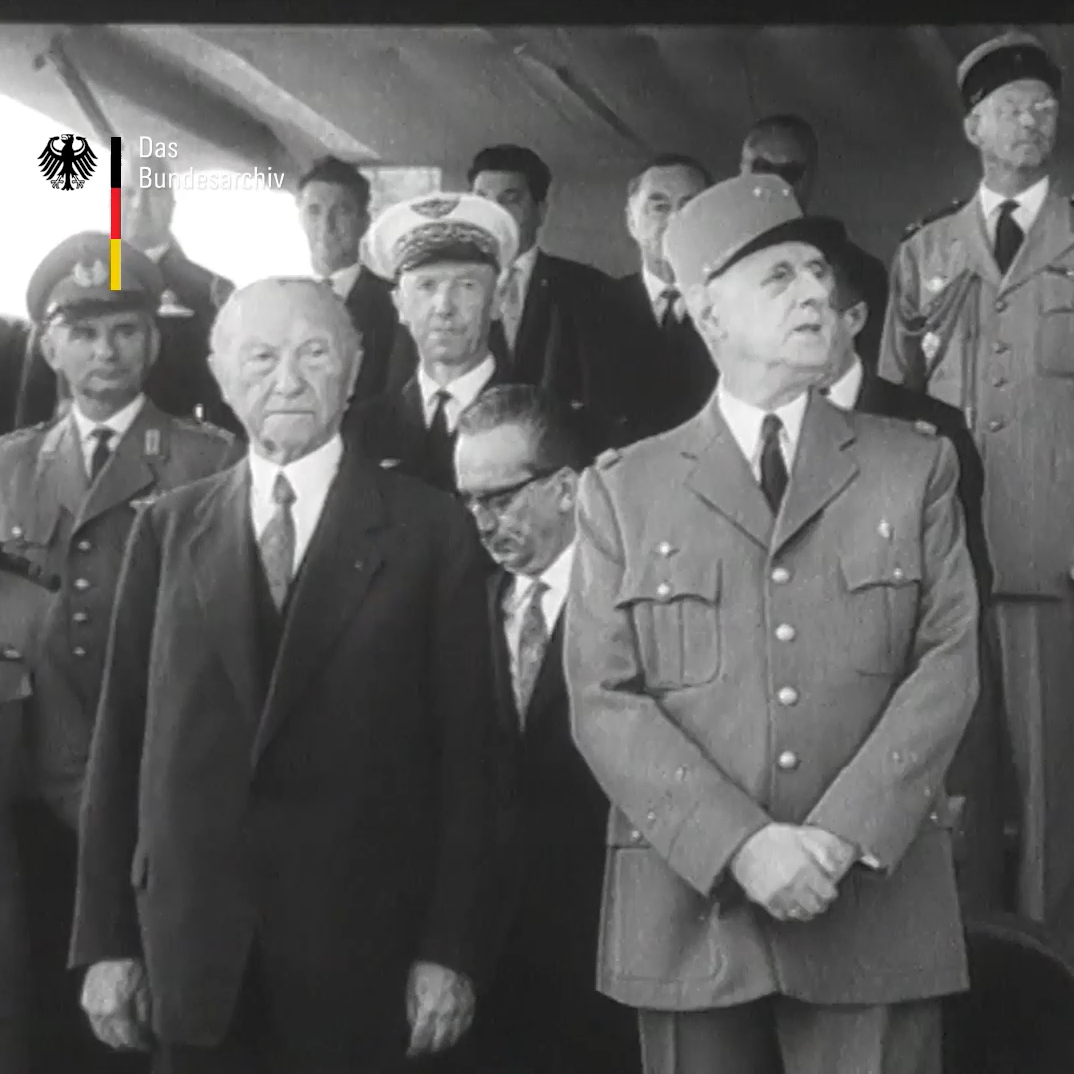
Adenauer’s foreign policy was characterized by his strong alignment with the United States and Western Europe, which he viewed as essential for Germany’s security and prosperity. He emphasized reconciliation with France, evident in his partnership with French President Charles de Gaulle that fostered Franco-German relations, a cornerstone of European integration. His advocacy for a united Europe led to Germany playing a central role in the establishment of the European Economic Community.
Legacy and Conclusion
Konrad Adenauer passed away in 1967, leaving behind a complex legacy. He is often credited with having laid the necessary political and economic groundwork for the reunification of Germany in 1990. His vision for a united, democratic Europe continues to resonate today, standing as a lesson in integration and cooperation. The centenary of his birth in 2017 reminded the world of his contributions to peace and stability in Europe, highlighting the significance of his leadership in today’s geopolitical landscape.
Adenauer’s legacy serves as an important reminder of the power of determined leadership during times of crisis. As Germany and Europe face new challenges in the 21st century, his principles of democracy, reconciliation, and integration remain relevant, encouraging future leaders to pursue policies that promote unity and prosperity.