Introduction
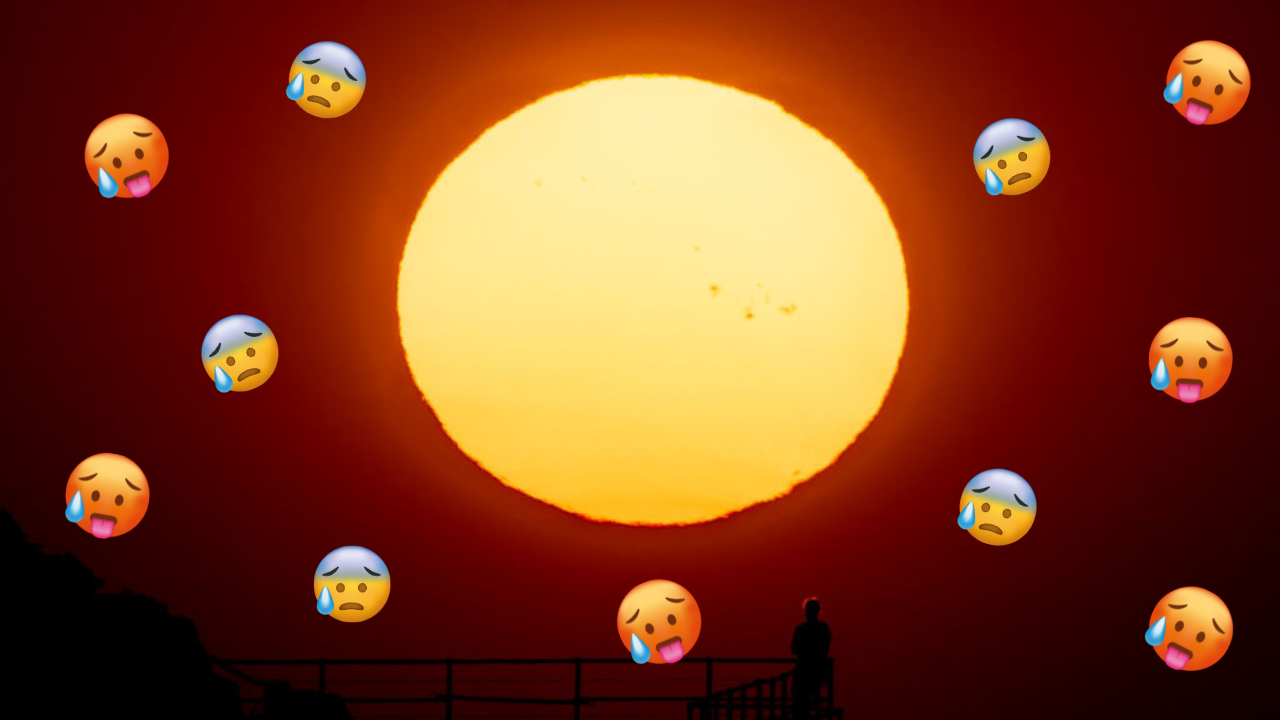
The recent heatwave sweeping across Australia has generated significant concern among scientists and the public alike. With temperatures soaring to record levels, the heatwave’s impact on health, agriculture, and the environment is an urgent issue that demands attention. Experts warn that such extreme weather events, exacerbated by climate change, could become more frequent, raising questions about the long-term implications for Australian society.
Current Situation and Impacts
As of mid-October 2023, several regions in Australia have been experiencing unprecedented heat. The Bureau of Meteorology (BOM) reported that temperatures have exceeded 40°C (104°F) in parts of Western Australia and New South Wales. This persistent heat has raised alarms as it not only affects human health but also places immense stress on water resources and wildlife.
Hospitals are seeing an increase in heat-related illnesses, with vulnerable populations such as the elderly and those with pre-existing health issues being particularly at risk. The Australian Medical Association (AMA) issued guidelines for managing heat stress, urging people to stay hydrated and avoid outdoor activities during peak temperature hours.
Agriculture is another sector feeling the heat, as farmers struggle to maintain crops amidst drought-like conditions. The extreme temperatures have prompted concerns that crop yields may fall significantly, impacting food supply and prices later in the year. Farmers are adapting by altering planting schedules and employing water conservation techniques, yet many report challenges in managing their resources effectively.
Environmental Consequences
The environmental implications of the current heatwave are far-reaching. Wildlife is facing habitat destruction as heat intensifies and natural resources dwindle. Many species, particularly those already endangered, face the threat of further decline due to their inability to adapt to such rapidly changing conditions.
Conclusion
As Australia continues to grapple with the effects of the ongoing heatwave, the significance of climate resilience strategies is becoming clearer. Authorities are urged to implement measures aimed at protecting public health and the environment while preparing for the likelihood of similar events in the future. With climate experts predicting more frequent heatwaves, it is crucial for Australians to stay informed and proactive, ensuring that communities can withstand the challenges posed by rising temperatures in the coming years.