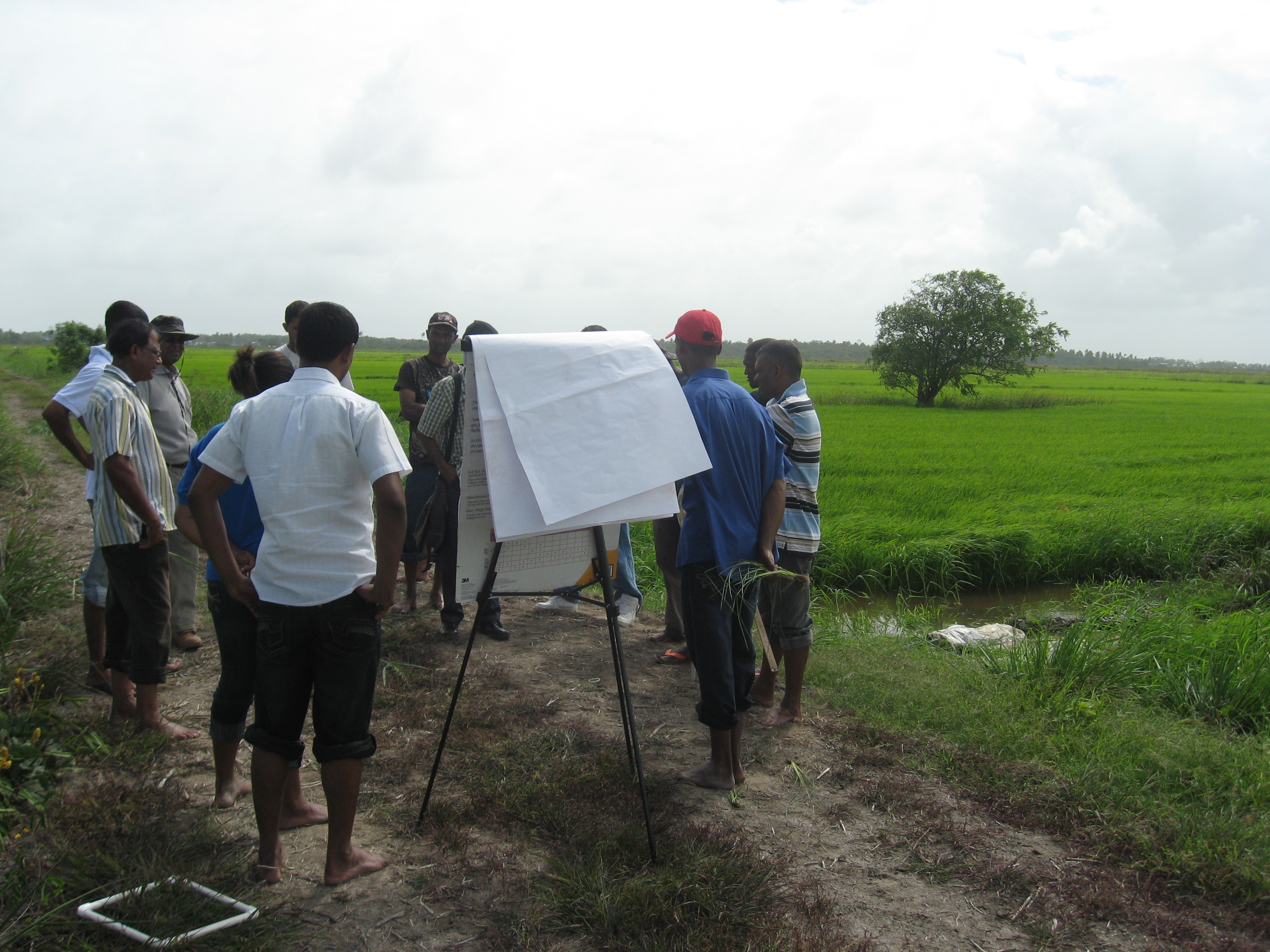
Introduction to Development
Development is a crucial topic in Nigeria, highlighting the progress and advancement of the nation in various sectors such as economy, education, infrastructure, and health. As Nigeria grapples with challenges such as poverty, unemployment, and infrastructure deficits, the need for effective development strategies has become increasingly significant. With a population exceeding 200 million, understanding development is key to improving living standards and ensuring a sustainable future for all citizens.
Current Development Initiatives
Recently, the Nigerian government has been focusing on several initiatives aimed at enhancing development. One major effort is the National Development Plan (NDP) 2021-2025. This initiative seeks to promote economic growth by investing in infrastructure, healthcare, and education. The plan emphasizes public-private partnerships to attract investment and stimulate job creation, especially for the youth.
In addition to the NDP, the government is also focusing on digital development. The Digital Economy Policy aims to expand internet access and improve digital literacy across the country. This investment is critical as the COVID-19 pandemic highlighted the importance of technology in education and commerce.
Challenges Facing Development
Despite these initiatives, Nigeria faces several challenges that hinder effective development. Corruption remains a significant barrier, affecting the distribution of resources and undermining public trust. In addition, insecurity due to insurgencies and banditry has disrupted economic activities and displaced communities, further complicating the development landscape.
Furthermore, inadequate infrastructure, particularly in rural areas, poses a serious challenge. Access to clean water, electricity, and proper roads are essential for development, yet they remain elusive in many regions.
Conclusion and Future Outlook
In conclusion, while Nigeria is making efforts towards development through various plans and policies, significant challenges remain. It is essential for the government to prioritize transparency, security, and infrastructure development to create a conducive environment for growth. As the nation continues to evolve, the focus on sustainable development practices will be critical to improving the quality of life for all Nigerians. Moving forward, collaboration between the government, private sector, and civil society will play a vital role in ensuring that Nigeria can navigate its developmental challenges and achieve a prosperous future.