Introduction
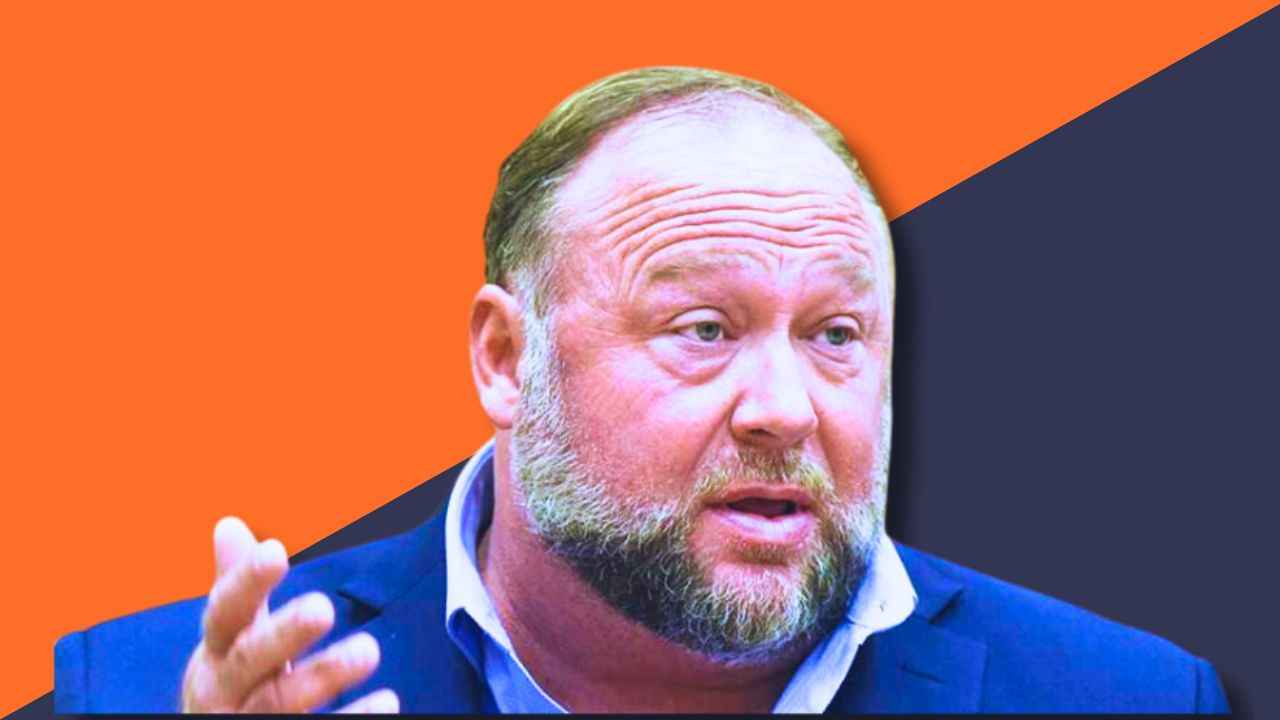
Alex Jones, an influential and controversial media personality, continues to spark debates across various platforms in Nigeria and beyond. Known for his conspiracy theories and polarizing views, Jones exemplifies the growing intersection of media, free speech, and misinformation. As social media platforms amplify voices like his, understanding the implications of his narratives is crucial for a well-informed citizenry.
Background of Alex Jones
Born on February 11, 1974, in Dallas, Texas, Alex Jones began his career in radio broadcasting before launching his website, InfoWars, in 1999. Over the years, he has gained notoriety for promoting various conspiracy theories, including claims surrounding the September 11 attacks, the Sandy Hook Elementary School shooting, and the COVID-19 pandemic. His rhetoric has not only captivated millions but also led to considerable backlash, resulting in multiple lawsuits and a temporary ban from major social media platforms.
Recent Developments
In 2022, Jones was ordered to pay nearly $1 billion in damages to families of Sandy Hook victims due to his repeated false claims about the tragedy being a hoax. This bombshell ruling has sparked discussions on the responsibility of public figures in disseminating potentially harmful information. Jones’ situation raises important questions: What are the limits of free speech? And how should society deal with misinformation?
The Broader Implications
The rise of figures like Alex Jones illuminates the challenges of navigating information in the digital age. In Nigeria, as in many parts of the world, misinformation can spread rapidly, often leading to real-world consequences. Content creators and platforms are now faced with the task of establishing guidelines that protect both free speech and public safety.
Conclusion
As Alex Jones demonstrates, media personalities have a significant influence on public opinion and dialogue. Moving forward, it is crucial for audiences to critically evaluate the information they consume and for regulators to find a balance that protects free expression while preventing the spread of harmful falsehoods. The conversations around Alex Jones will likely continue, serving as a case study on the responsibilities tied to media influence in our society.