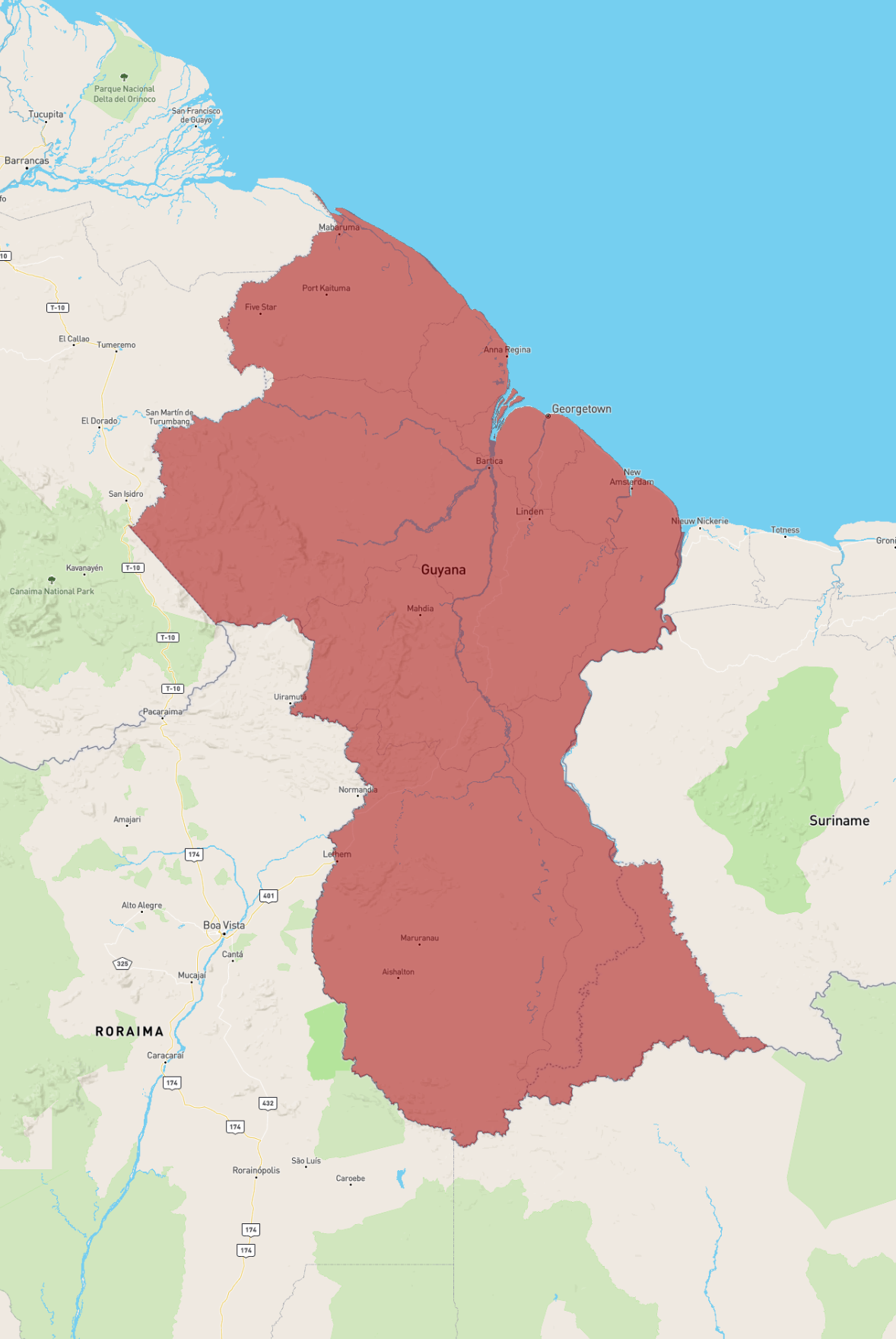
Introduction to Guyana
Guyana, located on the northern coast of South America, is gaining global attention for its rich natural resources and emerging economy. With recent discoveries of vast oil reserves, Guyana is quickly transforming from a predominantly agricultural economy to a burgeoning oil powerhouse. As the country faces both opportunities and challenges, it is crucial to understand its significance in the region and the world.
The Oil Boom and Economic Surge
The discovery of oil reserves by ExxonMobil in 2015 marked a turning point for Guyana, with estimates suggesting potential production of over 1 million barrels per day by 2027. This has attracted substantial foreign investment and sparked interest from various international companies seeking to capitalize on the oil boom. In 2022, the country’s GDP growth was projected at a staggering 57.8%, driven primarily by the oil sector, positioning Guyana as one of the fastest-growing economies globally.
Socio-Political Impact
As the oil sector expands, Guyana faces significant socio-political impacts. The government is tasked with managing the windfall from oil to benefit its citizens while ensuring transparency and reducing corruption. Concerns about environmental sustainability and social inequality have also risen, prompting calls for responsible governance in the emerging oil economy. The country is working on establishing a sovereign wealth fund to manage oil revenues effectively and ensure that benefits extend to the broader population.
Tourism and Cultural Richness
Beyond oil, Guyana boasts breathtaking landscapes and rich biodiversity, making it an increasingly attractive destination for eco-tourism. The country is home to expansive rainforests, stunning waterfalls like Kaieteur Falls, and a diverse array of wildlife. Cultural heritage plays a significant role in Guyana, with influences from Indigenous, African, and Indian cultures evident in its festivals, cuisine, and daily life. This multicultural fabric presents opportunities for the tourism sector, which is expected to grow alongside its economy.
Conclusion: The Future of Guyana
The current trajectory of Guyana suggests a future filled with promise and potential challenges. As the oil industry propels economic growth, the government must prioritize sustainable practices and equitable distribution of wealth. For investors, tourists, and citizens alike, understanding Guyana’s evolving landscape is essential. The country’s rise as a key player in South America is not only a testament to its natural resources but also highlights the importance of responsible development strategies to secure its future.