Introduction
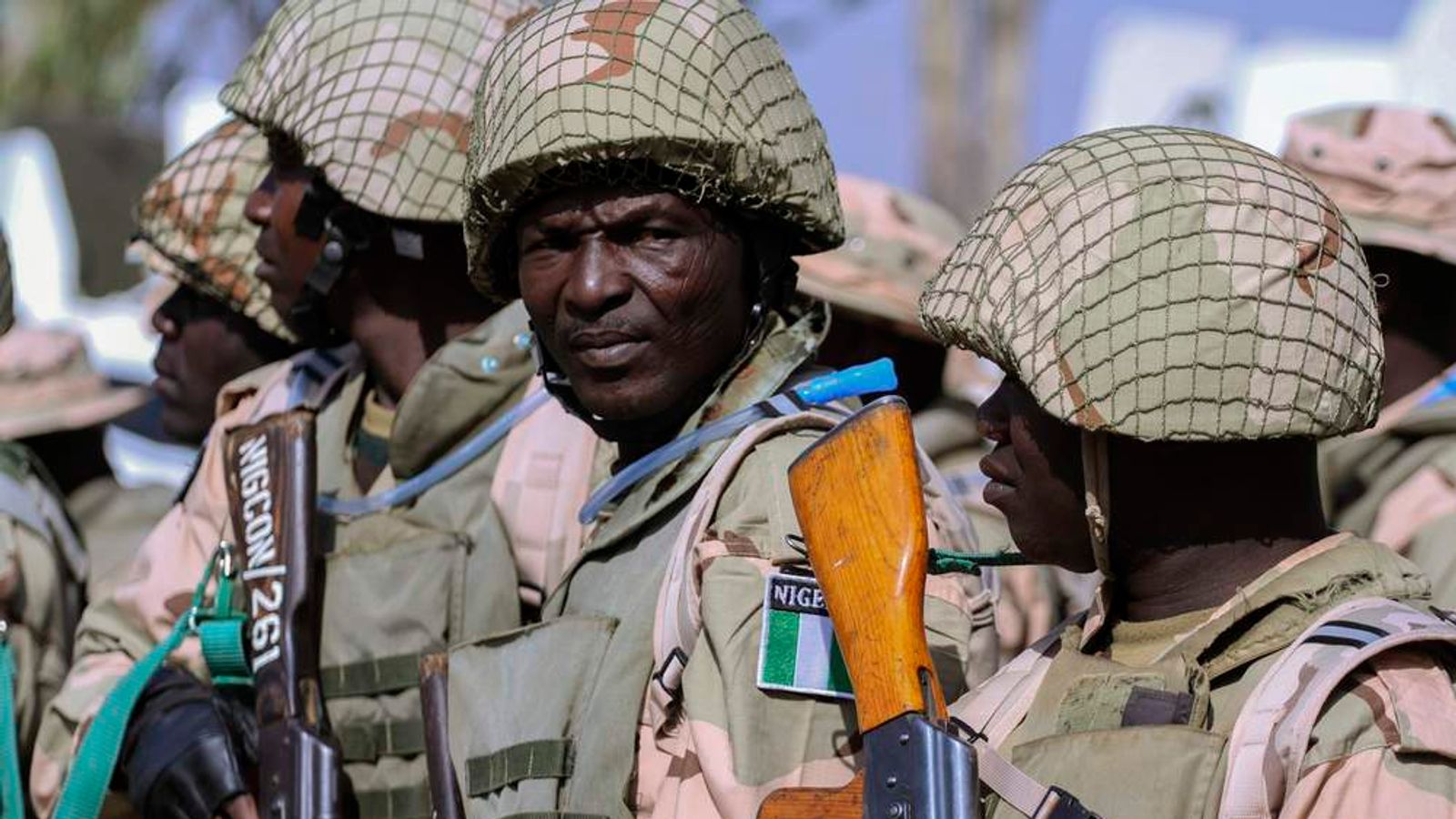
Recent reports indicating that Nigerian soldiers have threatened mutiny reveal a deep-rooted dissatisfaction within the ranks of the country’s military. This situation highlights concerns over the treatment of personnel and ongoing challenges related to security operations against insurgent groups and banditry. The implications of this unrest are significant, not just for the military but for national security and public confidence in the government’s ability to protect its citizens.
Details of the Situation
The mutiny threats came to light following a series of protests by soldiers who voiced their grievances about poor wages, lack of proper equipment, and inadequate housing. Sources within the military indicated that soldiers deployed in conflict zones have faced increasing pressures while lacking the necessary resources to carry out their duties effectively. This unrest appears to be fueled by a growing perception that leadership has neglected soldiers’ welfare, especially amidst heightened violence in regions plagued by insurgent attacks and kidnapping.
Military analysts have pointed out that such threats are a reflection of broader systemic issues within the Nigerian armed forces, which has been grappling with operational inefficiencies and governance challenges. In a recent address, a military spokesperson confirmed awareness of the soldiers’ grievances and promised to address them while reiterating the commitment to maintaining order and discipline within the ranks.
Response and Implications
The Nigerian government has been urged to take immediate action to resolve these concerns to prevent further escalation. Analysts suggest that failing to address these issues could undermine military morale and operational effectiveness, posing a significant risk to national security. Experts warn that a mutiny within the ranks could not only affect ongoing military operations but also lead to a breakdown of trust between the armed forces and the civilian populace, further complicating security challenges in the country.
Conclusion
The threats of mutiny by Nigerian soldiers serve as a crucial indicator of underlying frustrations and challenges faced within the military. It compels urgent attention from the government to reform military welfare policies and provide adequate resources for troops on the front lines. Without these changes, the potential for unrest could jeopardize Nigeria’s ongoing fight against terrorism and insecurity, making it imperative for the authorities to act swiftly and decisively to restore confidence in the military.