Introduction
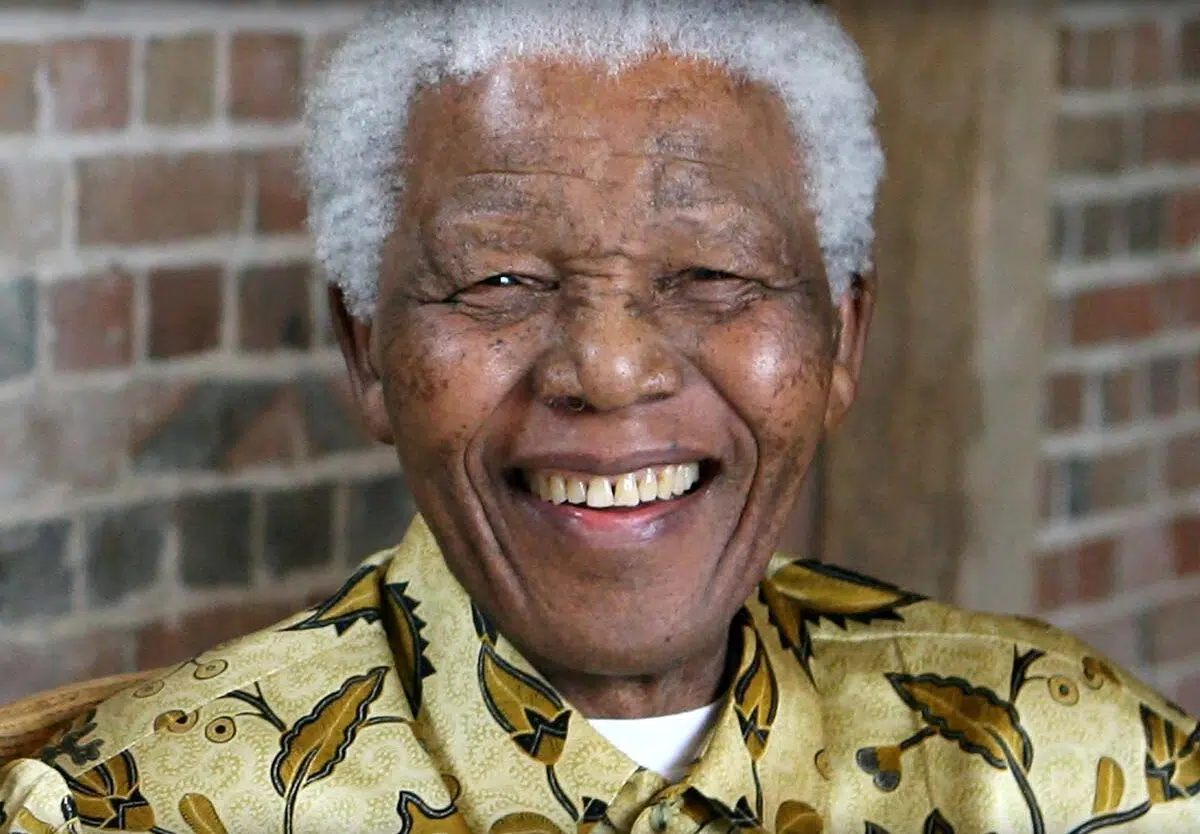
Nelson Mandela, a name synonymous with peace and social justice, played a pivotal role in the fight against apartheid in South Africa. His legacy continues to resonate today as a beacon of hope and resilience for millions globally. Mandela’s journey from a rural village to becoming the first Black president of South Africa is not just a remarkable narrative of personal triumph but also a powerful testament to the struggle for human rights and dignity.
The Struggle Against Apartheid
Born on July 18, 1918, in the village of Mvezo, Mandela grew up witnessing the profound inequalities of apartheid. This institutionalized system of racial segregation deeply influenced his activism. After joining the African National Congress (ANC) in 1943, Mandela’s commitment to fighting for equality crystallized. In 1962, he was arrested and subsequently sentenced to life imprisonment for his anti-apartheid activities. This brutal incarceration lasted 27 years, during which Mandela became a global symbol of resistance.
Mandela’s release in 1990 marked a historic turning point in South African history. His leadership during the transition from apartheid to a democratic society was pivotal. His willingness to negotiate with former adversaries showcased his remarkable capacity for forgiveness and reconciliation. In 1994, Mandela was elected as South Africa’s first Black president, a significant milestone not just for the country but for human rights champions worldwide.
Global Impact and Recognition
Mandela’s influence extended beyond South Africa. He became a global icon advocating for peace, social justice, and the fight against poverty and HIV/AIDS. His establishment of the Nelson Mandela Foundation and various initiatives aimed at promoting education and equality has significantly impacted many lives. Internationally, he received numerous accolades, including the Nobel Peace Prize in 1993, which he shared with then-President F.W. de Klerk.
Conclusion
Today, Nelson Mandela is remembered not only for his indelible mark on South Africa but also for his unyielding commitment to justice and reconciliation. The annual Nelson Mandela International Day, observed on July 18, emphasizes the importance of continuing Mandela’s work by encouraging individuals to contribute to their communities. As we reflect on his legacy, it becomes imperative to carry forward his message of peace and equality, ensuring that his dream of a just world remains alive. Mandela’s life serves as an enduring reminder that with resilience and compassion, one can overcome the greatest obstacles and inspire change.