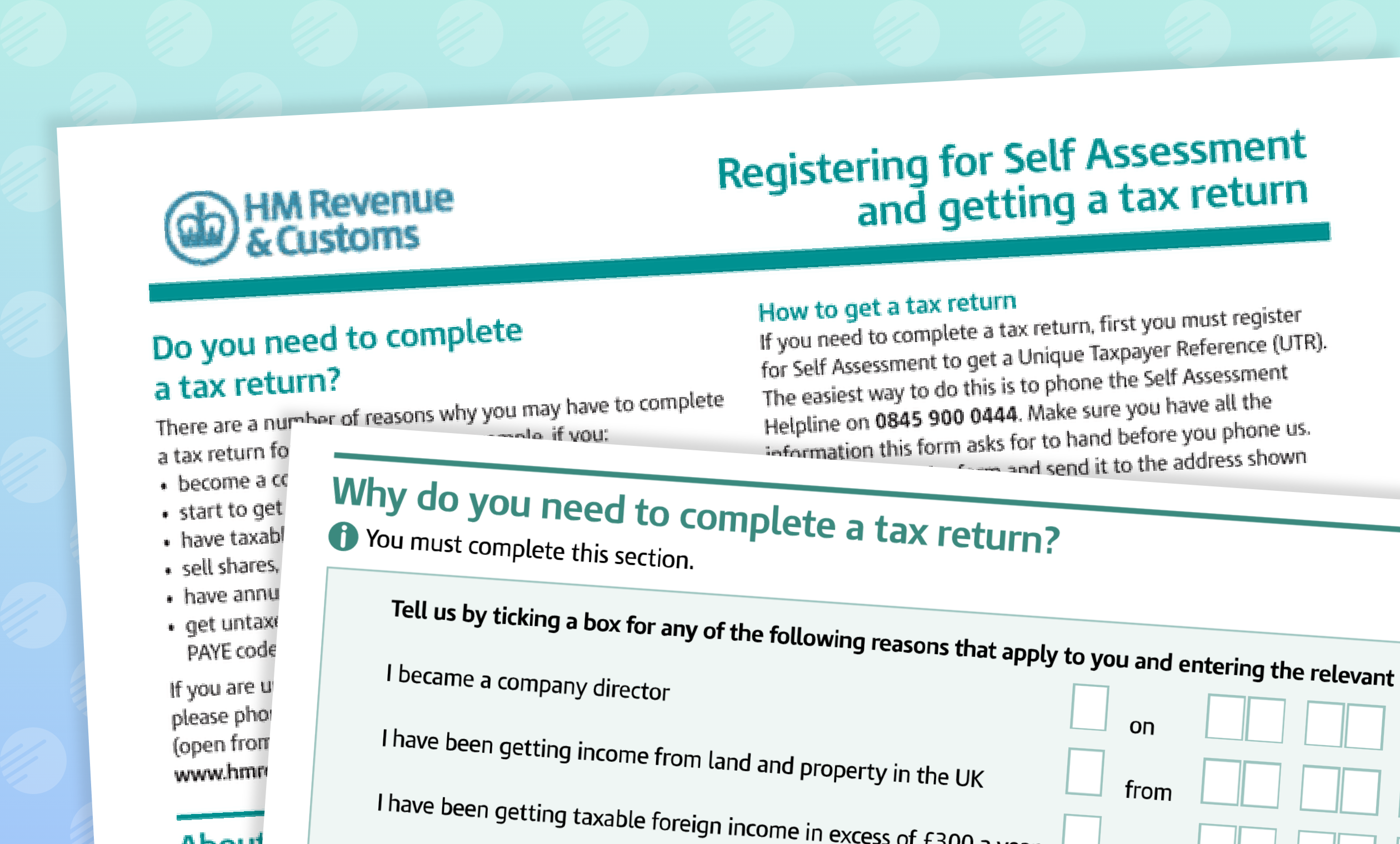
Introduction to HMRC
The Her Majesty’s Revenue and Customs (HMRC) is a critical agency in the UK government responsible for the collection of taxes, payment of some forms of state support, and the administration of certain regulatory regimes. Although HMRC operates primarily in the UK, its practices and regulations are often referenced in financial discussions globally, including in Nigeria as businesses and individuals navigate international tax responsibilities. With global interactions increasing, understanding HMRC’s role can aid Nigerians in tax compliance and financial planning.
HMRC’s Functions
HMRC oversees the collection of various taxes, including income tax, corporation tax, and VAT. Their fundamental goal is to ensure that taxes are collected fairly and efficiently to fund public services. Additionally, the agency plays a significant role in tackling tax evasion and fraud, ensuring that individuals and companies comply with tax regulations. This is particularly relevant for Nigerians engaged in international business or who have financial interests in the UK.
Implications for Nigerian Citizens
Nigerians may find themselves subject to HMRC regulations due to investment or employment in the UK. For instance, individuals working with UK firms or those with UK property investments must comply with HMRC reporting requirements. Additionally, international students from Nigeria studying in the UK may also be impacted by specific tax obligations based on their employment status. Understanding these obligations is essential for avoiding penalties and ensuring compliance.
Current Developments
Recently, HMRC has intensified its focus on digital currencies and online transactions, which could impact Nigerians involved in these sectors. As cryptocurrency gains popularity, it is vital for users to be aware of any potential tax obligations tied to digital assets to prevent unexpected liabilities. Moreover, HMRC has made attempts to enhance its digital services, making it easier for individuals not just in the UK but globally to manage their tax affairs online.
Conclusion
As the landscape of international finance evolves, the relevance of HMRC extends beyond UK borders, influencing tax practices worldwide, including in Nigeria. The increasing complexity of international transactions necessitates that Nigerians familiarize themselves with HMRC requirements to ensure compliance and mitigate risks associated with inadvertent tax violations. By staying informed, individuals and businesses can navigate their tax responsibilities more effectively, securing their interests in both Nigerian and UK markets.