Introduction
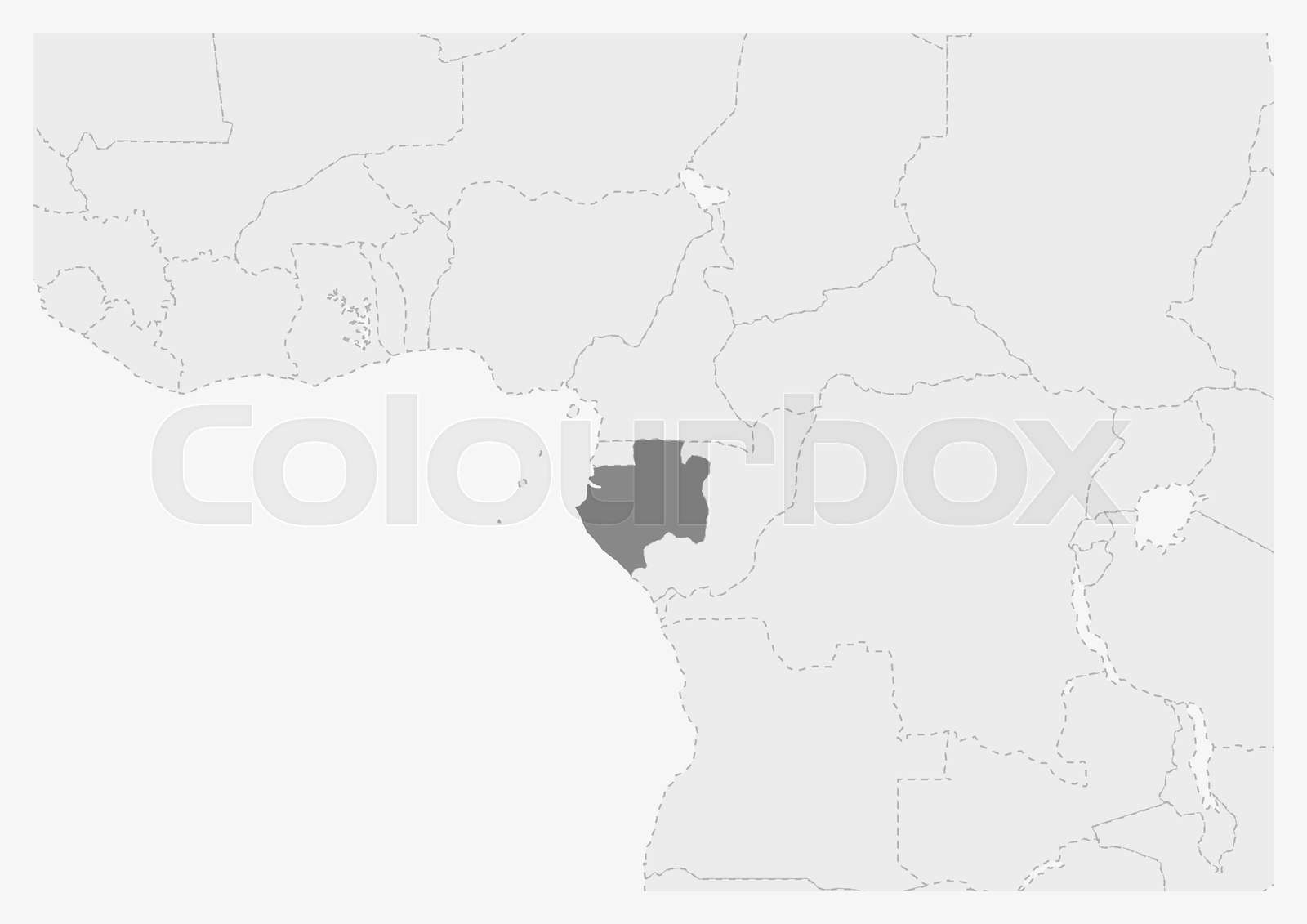
Gabon, located on the west coast of Central Africa, is known for its rich biodiversity and significant natural resources. As one of the richest countries in Africa in terms of GDP per capita, Gabon’s reliance on oil and minerals greatly impacts its economy and social structure. Understanding Gabon is crucial not only for its environmental significance but also for its role in regional politics and global economics.
Current Economic Landscape
As of October 2023, Gabon’s economy is experiencing a phase of diversification following fluctuations in global oil prices. Oil remains the backbone of the economy, accounting for nearly 80% of export revenues. Recent government initiatives aim to reduce reliance on oil by promoting sectors such as timber, mining, and tourism. Programs have been launched to reform the agricultural sector to enhance food security and create jobs for the youth.
In the first half of 2023, Gabon recorded economic growth of approximately 3.5%, encouraged by increased non-oil exports and government investments in public infrastructure. However, inflation remains a concern, driven by global supply chain disruptions and rising commodity prices.
Biodiversity and Environmental Conservation
Gabon is home to over 80% of its landscape covered in forests, making it a critical region for global biodiversity. The country has been proactive in establishing protected areas, with about 13 national parks covering 11% of its total land area. This dedication to conservation is exemplified by the National Parks of Gabon, which aim to safeguard wildlife such as gorillas, elephants, and many endemic species.
In addition to government efforts, Gabon is also collaborating with international organizations to enhance conservation initiatives. In 2023, a new project supported by the World Wildlife Fund (WWF) was launched, focusing on sustainable forestry practices and the protection of endangered species, reflecting Gabon’s commitment to balancing economic development with environmental stewardship.
Significance for the Future
As Gabon navigates its economic transitions and environmental responsibilities, it represents a microcosm of the broader challenges faced by many resource-rich nations. The emphasis on economic diversification could pave the way for increased resilience against global market shocks.
For readers, understanding Gabon provides insight into how developing nations can harness their natural resources responsibly while pursuing sustainable growth. As Gabon continues to evolve, its strategies may serve as valuable lessons for other countries dealing with similar economic and environmental issues.