Introduction
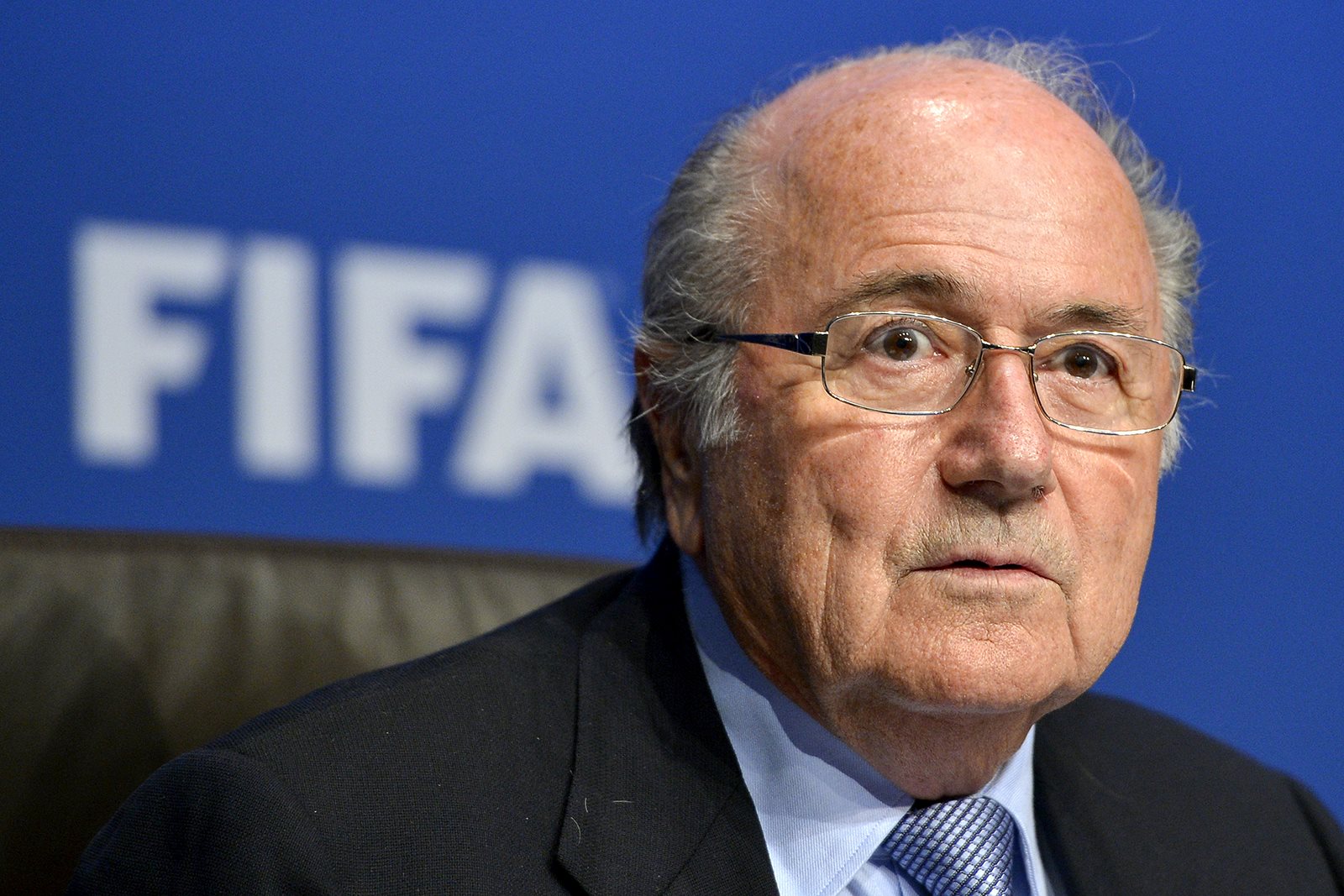
Sepp Blatter, the former president of FIFA, has been a polarizing figure in the world of football for decades. His leadership was marked by both significant growth in the sport and numerous controversies that have left an indelible mark on its governance. As discussions around football integrity and reform intensify, Blatter’s legacy becomes increasingly relevant, demanding scrutiny and analysis of his impact.
The Rise of Sepp Blatter
Born on March 10, 1936, in Visp, Switzerland, Sepp Blatter climbed the ranks of FIFA through a combination of political acumen and strategic vision. He became the organization’s general secretary in 1981 and was elected president in 1998, serving until 2015. Under his leadership, FIFA expanded its reach globally, most notably increasing the number of World Cup participating nations and launching new tournaments.
Controversies and Challenges
However, Blatter’s tenure was not without its challenges. His administration was marred by allegations of corruption, bribery, and mismanagement. The 2015 FIFA corruption scandal, where several high-ranking officials were indicted, significantly tarnished the organization’s image and led to Blatter’s suspension from football activities for six years. Despite his claims of innocence, the scandal highlighted the urgent need for transparency and reform within FIFA.
Post-Presidency and Ongoing Influence
Since stepping down, Blatter has remained a figure of interest in both media and legal circles. In July 2022, Swiss prosecutors announced an investigation into the payments made to FIFA that occurred during his presidency. While he attempts to maintain a public presence, many view his past actions as emblematic of a larger systemic issue within international sports governance.
Conclusion
The significance of Sepp Blatter in the realm of football is multifaceted. He played a crucial role in shaping modern football, while also being at the center of one of the most significant corruption scandals in sports history. As FIFA continues to implement reforms aimed at restoring its integrity, the lessons learned from Blatter’s era could guide the organization’s future. For football fans and stakeholders alike, understanding Blatter’s impact is essential, not just as a historical account, but as a framework for the ongoing discourse on ethics in sports governance.