Introduction
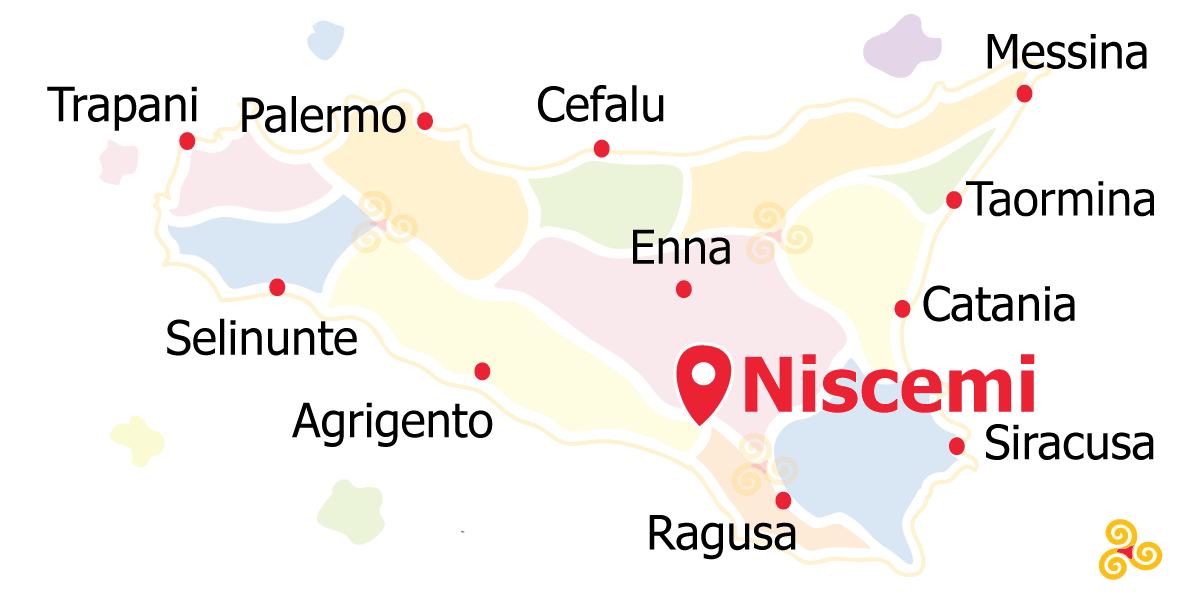
Niscemi, a small town in Sicily, Italy, has come into the international spotlight due to its strategic significance and recent developments related to its military installations. The ongoing debates about security and environmental implications of these facilities have made Niscemi a focal point of discussions surrounding military presence and local community impact.
Recent Developments in Niscemi
In recent months, Niscemi has made headlines due to the ongoing protests against the U.S. Navy’s installation of a radar system known as the MUOS (Mobile User Objective System). The construction of this system has faced significant opposition from local activists and environmentalists, who argue that the radar could have detrimental effects on both the health of residents and the local environment. As a response to these concerns, several local protests have taken place, highlighting the growing tensions between military needs and community interests.
Furthermore, an important aspect of the Niscemi situation is the geopolitical context in which it exists. The MUOS program is part of a broader U.S. military strategy in the Mediterranean region, aimed at enhancing communication capabilities for military operations. This strategic importance places Niscemi at the center of discussions about NATO activities and international security dynamics.
The Community’s Response
The residents of Niscemi have been vocal in expressing their dissatisfaction with the radar system, fearing it will lead to health issues and environmental degradation. Various local groups have organized campaigns and demonstrations to raise awareness and pressure authorities to reconsider the installation. Their efforts have attracted attention from media outlets and human rights organizations, amplifying the dialogue surrounding military installations and their potential impact on local populations.
Conclusion
The situation in Niscemi highlights a crucial intersection between military strategy and community concerns. As protests continue and discussions about the MUOS program unfold, the future of Niscemi remains uncertain. For international observers, Niscemi serves as a case study of how global military strategies can intersect with local realities, prompting a need for dialogue between defense interests and community health and well-being. Moving forward, the outcomes of these ongoing debates will likely have profound implications not only for Niscemi but also for similar locales facing comparable issues worldwide.