Introduction
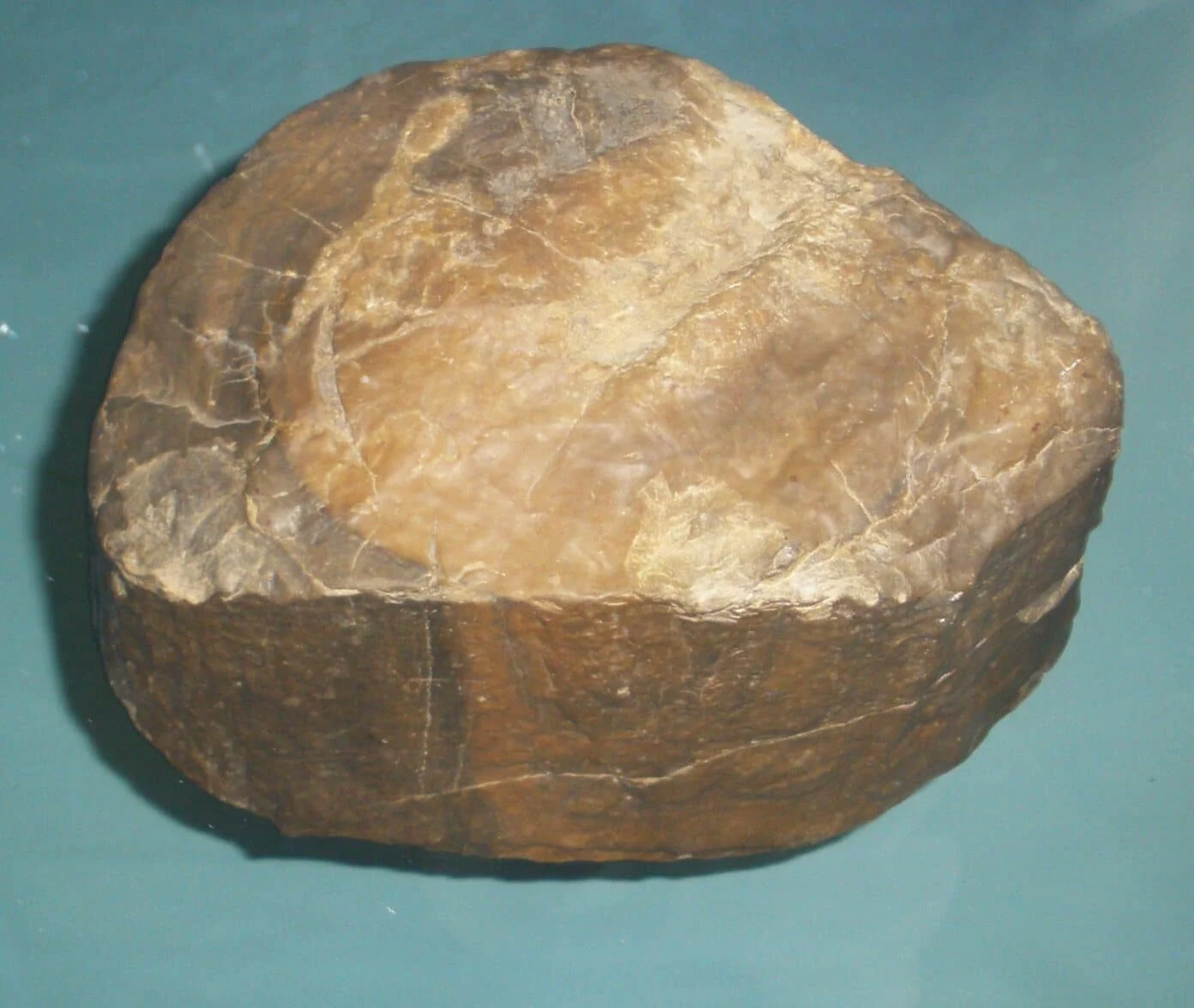
Prototaxites is a unique and ancient fossil that has intrigued scientists and paleontologists for decades. Known to be one of the largest organisms from the Devonian period, approximately 420 million years ago, this giant fungus-like structure has been crucial in understanding prehistoric ecosystems. Its relevance cannot be understated, as it challenges our perceptions of early life and the environment of early land plants.
Details and Discovery
The first Prototaxites fossil was discovered in the early 19th century, with significant finds occurring in regions such as Canada, the United States, and Australia. Initially, these remnants were thought to be tree-like plants due to their tall, cylindrical shape, which could reach heights of up to 8 meters. However, more recent studies and advanced molecular analyses suggest that Prototaxites was actually a massive fungus or lichen rather than a plant.
This classification stems from its biochemical characteristics and growth patterns that are consistent with fungal behavior. The morphology of Prototaxites indicates that it thrived in the humid environments of the time, likely playing a crucial role in nutrient cycling within these early terrestrial ecosystems. It is believed to have absorbed organic materials from decaying matter, thus contributing to the overall health of its surrounding habitat.
Current Research and Findings
Ongoing research continues to uncover more about Prototaxites and its ecological role. Recent studies employing methods like isotopic analysis have provided insights into the diets of creatures living in tandem with these ancient giants. Furthermore, there is increasing interest in Prototaxites’ potential significance in the evolution of mycorrhizal relationships—critical interactions between fungi and plant roots that are foundational to modern ecosystems.
Conclusion
The implications of understanding Prototaxites fossils extend beyond mere academic curiosity; they provide valuable lessons on biodiversity and ecological networks crucial for our planet’s health. As researchers delve deeper into the mysteries of these structures, we can anticipate a clearer image of our planet’s early biosphere and the evolutionary forces that shaped it. Prototaxites serves as a gentle reminder of nature’s complexity, challenging scientists to rethink what we know about life’s history on Earth.