Introduction
The polar vortex, a large area of low pressure and cold air surrounding the Earth’s poles, plays a significant role in determining winter weather in the Northern Hemisphere. As scientists and meteorologists analyze patterns and behaviors of this phenomenon, the forecast for a potential polar vortex collapse has become increasingly relevant. Understanding this phenomenon can help individuals prepare for extreme weather conditions, including harsh winters and unexpected temperature shifts.
What is a Polar Vortex Collapse?
A polar vortex collapse occurs when the cold air spins around the Arctic and becomes disrupted, causing frigid Arctic temperatures to move southward. This disturbance often leads to severe winter weather in regions far from the poles, affecting countries like the United States, Canada, and parts of Europe. Indicators of a polar vortex collapse include fluctuations in atmospheric pressure and changes in wind patterns.
Current Forecasts and Weather Patterns
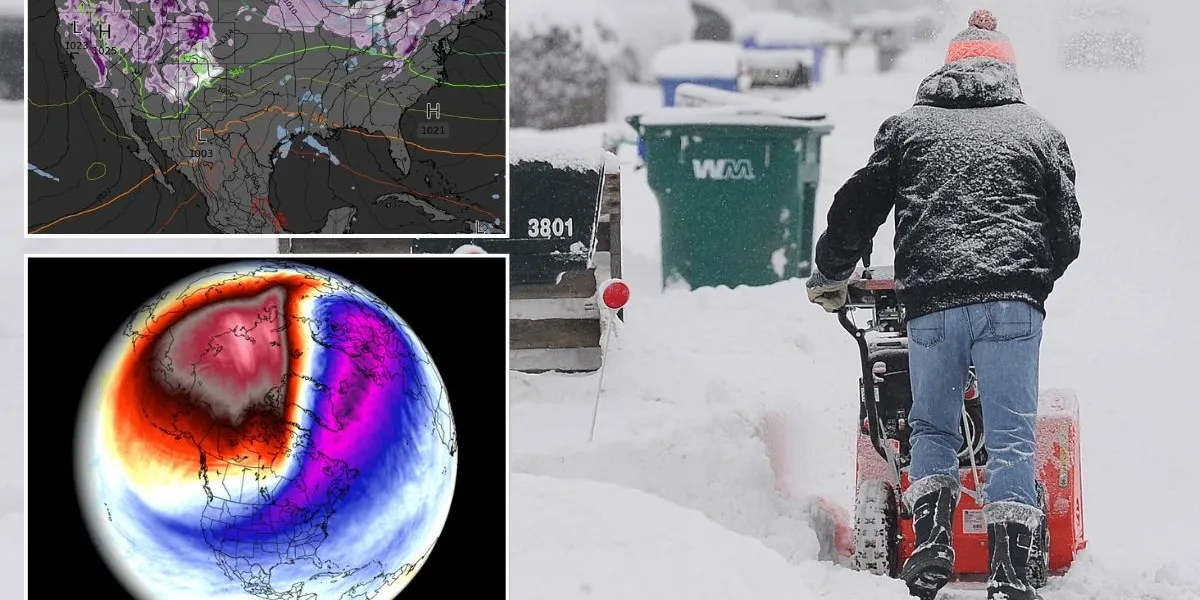
Recent weather models indicate an increased likelihood of a polar vortex disruption in the upcoming winter months. The National Oceanic and Atmospheric Administration (NOAA) has reported that current conditions in the Arctic show signs of instability. As of late October 2023, forecasters are monitoring the situation closely, with several models suggesting that a collapse may occur as temperatures drop over the polar region. According to meteorologist Dr. Jennifer Francis, understanding climate trends may help predict the timing and extent of the impacts associated with a polar vortex collapse.
Potential Impacts
The impact of a polar vortex collapse can be significant. When the polar vortex weakens, it can lead to prolonged periods of Arctic air spilling into lower latitudes, resulting in extreme cold, heavy snowfalls, and severe winter storms. Areas that might typically experience milder winters could see record low temperatures and hazardous conditions. Furthermore, this disruption can also influence other climate patterns, including jet streams, resulting in unusual weather events in multiple regions.
Conclusion
As we move toward the heart of winter, the prospect of a polar vortex collapse makes for essential reading for those interested in climate and weather patterns. Understanding the potential disruptions can prepare individuals and communities for extreme conditions. Weather experts emphasize the importance of staying informed about emerging forecasts as they analyze the interplay between the polar vortex and broader atmospheric trends. Keeping predictions and trends in perspective can ensure readiness for whatever winter throws our way.