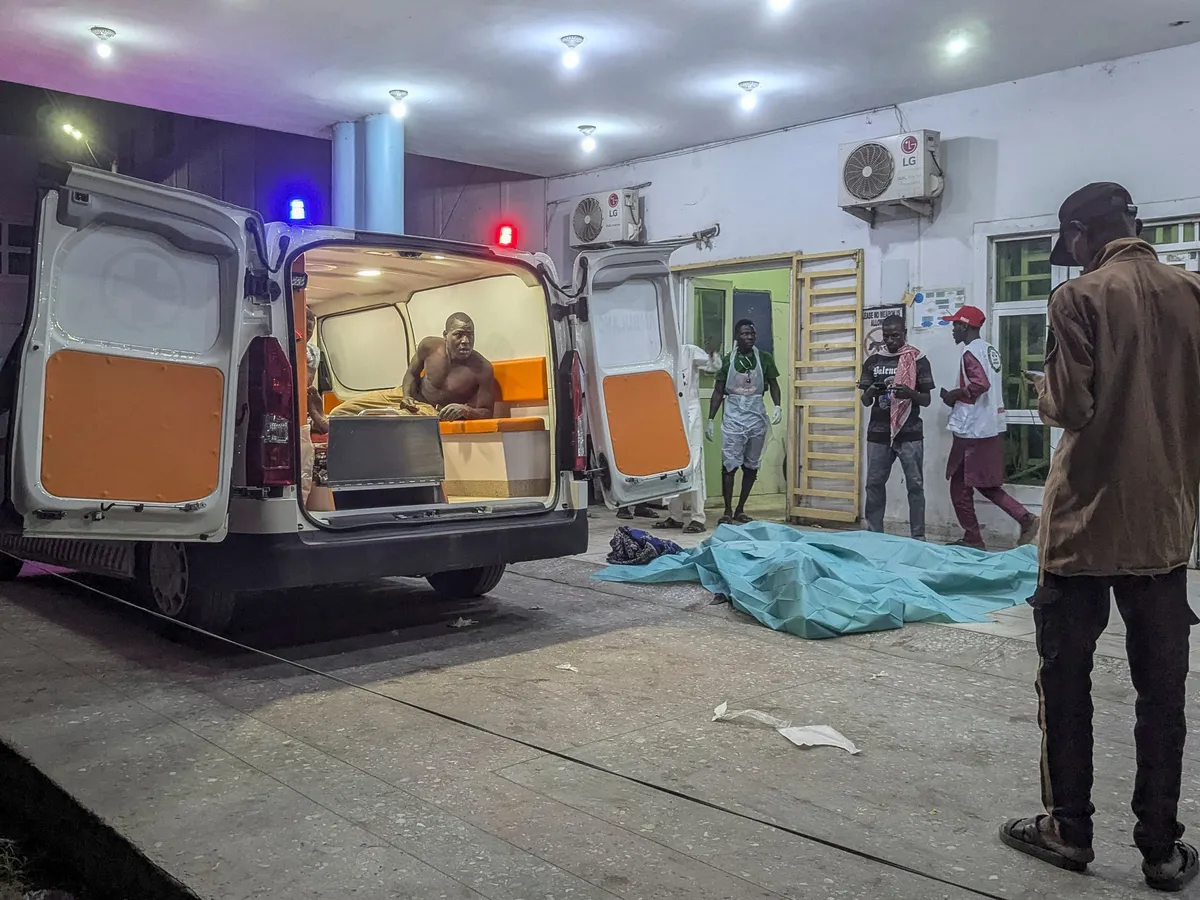
Maiduguri had been relatively calm in recent years, with attacks peaking in the mid-2010s. However, this tranquility was shattered on March 16, 2026, when multiple bomb blasts rocked the city, killing at least 23 people and injuring over 100 others. The blasts occurred at the entrance of the University of Maiduguri Teaching Hospital and two local markets, areas typically bustling with activity.
Preliminary investigations suggest that the incidents were carried out by suspected suicide bombers, a tactic reminiscent of previous attacks attributed to groups like Boko Haram and ISIL. This marks a significant escalation in violence, as the last major attack in Maiduguri occurred in 2021, when Boko Haram fighters fired mortars at the city.
The Nigerian military had reported repelling attacks by suspected fighters on the outskirts of Maiduguri earlier on the same day as the blasts, highlighting the ongoing security crisis in the region. Borno State Governor Babagana Zulum condemned the attacks as “barbaric and inhumane,” reflecting the sentiments of many in the community.
In the immediate aftermath, many victims were rushed to the emergency ward, with reports indicating that some succumbed to their injuries at the hospital. Mohammed Hassan, a local health worker, stated, “We’re in dire need of blood,” underscoring the urgent medical needs following the tragedy.
As of the latest reports, no group has claimed responsibility for the bombings. However, experts suggest that these acts of terror may be the desperate attempts of criminal elements trying to instill fear in the population. President Bola Tinubu remarked, “I want to make it categorically clear that these acts of terror are the final desperate and frantic attempts by criminals and terrorist elements trying to instil and spread fear.”
The attacks are part of a complex security crisis in Nigeria involving various armed groups, including ISWAP and Boko Haram. In recent weeks, coordinated attacks on military bases have also resulted in casualties, with 14 people killed last week alone.
The Nigerian military is expected to bolster its presence in the region, with approximately 200 soldiers anticipated to join deployments aimed at enhancing security. This development comes as the government grapples with the increasing frequency of violent incidents.
As the situation unfolds, details remain unconfirmed regarding the full extent of the attacks and the identities of those responsible. The community is left to mourn the loss of lives while grappling with the fear of further violence.