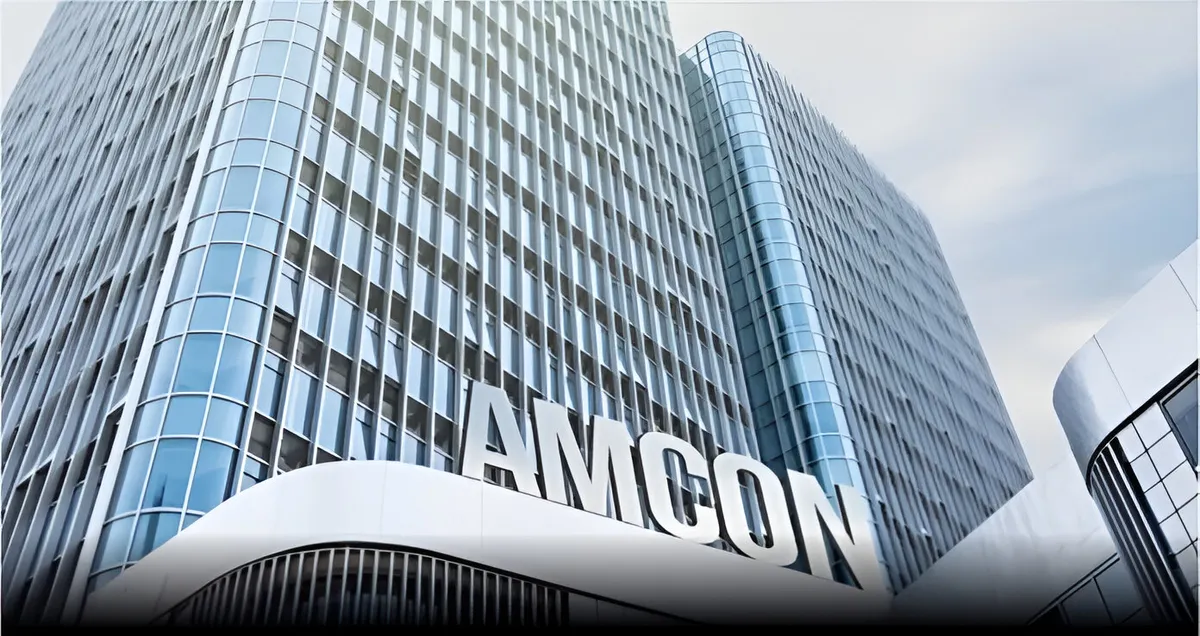
The recent ruling by the Supreme Court of Nigeria raises a pivotal question: What are the implications of the court’s decision regarding the legal dispute between Polaris Bank and the Asset Management Corporation of Nigeria (AMCON)? The court ruled in favor of AMCON, affirming its authority to sell the Lagos Continental Hotel, which had been a point of contention.
The Supreme Court’s decision, delivered on February 20, 2026, effectively settled a long-standing legal dispute involving multiple parties, including Polaris Bank Limited, AMCON, 11 Hospitality Plc, and Milan Industries Limited. The court’s ruling came after a series of legal challenges initiated by Milan Industries, which had previously secured a loan from Polaris Bank for the hotel’s construction.
The loan became non-performing, leading to AMCON acquiring the Eligible Bank Asset from Polaris Bank in September 2018. Subsequently, AMCON sold the Lagos Continental Hotel for ₦22 billion to 11 Hospitality Plc. However, Milan Industries filed a lawsuit challenging this sale, which was dismissed by the Federal High Court.
Following the dismissal, Milan Industries appealed the decision to the Court of Appeal, which initially ruled in favor of the company. This ruling was later set aside by the Supreme Court, which upheld AMCON’s authority to proceed with the sale.
The Supreme Court also affirmed that AMCON is exempt from paying stamp duties under Section 60 of the AMCON Act, a significant point that underscores the agency’s unique legal standing. The court stated, “The AMCON Act is a special law enacted by the National Assembly to tackle peculiar problems in the financial industry.”
Furthermore, the ruling validated AMCON’s rights as a mortgagee, regardless of any upstamping of mortgage documents. The court emphasized that as long as there is an outstanding debt, AMCON retains a continuing security interest in the mortgaged assets.
This legal resolution marks a critical moment for the banking and real estate sectors in Nigeria, particularly as the country navigates economic challenges, including a current inflation rate of 15.1% and fluctuating foreign investment flows.
As the dust settles on this legal battle, the implications for future banking practices and asset management in Nigeria remain to be seen. The ruling not only clarifies AMCON’s authority but also sets a precedent for similar disputes in the financial sector.
Details remain unconfirmed regarding the broader impact of this ruling on Polaris Bank’s operations and its future dealings with AMCON and other entities.