Impact of the Iranian Conflict
The ongoing Iranian conflict has led to severe humanitarian crises in Lebanon, particularly in southern regions where families are fleeing Israeli airstrikes targeting Hezbollah. Many have sought refuge in makeshift shelters, including stadiums and schools in Beirut, as the violence escalates. The Bir Hassan Technical Institute has been repurposed to accommodate displaced individuals, highlighting the urgent need for humanitarian assistance in the area.
As the conflict intensifies, reports indicate that a displaced woman, who fled the airstrikes in Dahiyeh, is currently receiving medical attention at a school turned shelter. The situation for many displaced families remains dire, with children playing in these makeshift shelters, a stark contrast to the violence they have escaped.
Regional Responses and Consequences
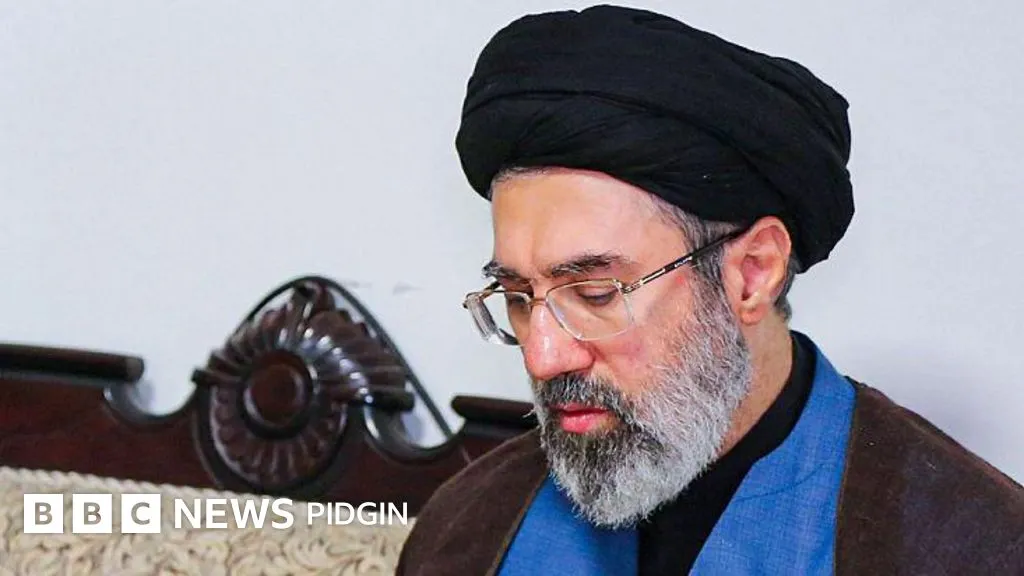
Iran’s supreme leader, Majtaba Khamenei, has vowed to avenge the deaths of citizens killed in the ongoing war, further complicating the already volatile situation. His statements include a commitment to continue blocking the Strait of Hormuz, a critical maritime route for global oil supply. This declaration has significant implications for international energy markets, as the price of crude oil has surged past $100 per barrel due to the conflict and the threat of disrupted shipping routes.
The Iranian Revolutionary Guard Corps (IRGC) has announced a series of attacks on targets in Israel, marking the 41st wave of such military operations. In response, the Israeli army has conducted airstrikes on a nuclear weapons development complex in Tehran, escalating tensions between the two nations. This cycle of retaliation underscores the precarious nature of the conflict and its potential to destabilize the broader region.
Global Economic Impact
The conflict’s ramifications extend beyond the immediate region, affecting global oil prices and supply chains. In an effort to stabilize the market, 32 countries have agreed to release 400 million barrels of emergency reserves, with 172 million barrels coming from the United States alone. This coordinated response aims to mitigate the economic fallout from the escalating conflict and ensure continued energy availability for global markets.
As the situation develops, the health condition of Majtaba Khamenei remains unclear, adding an element of uncertainty to the ongoing conflict. Details remain unconfirmed regarding his ability to lead Iran’s response to the crisis, which could have further implications for regional stability.