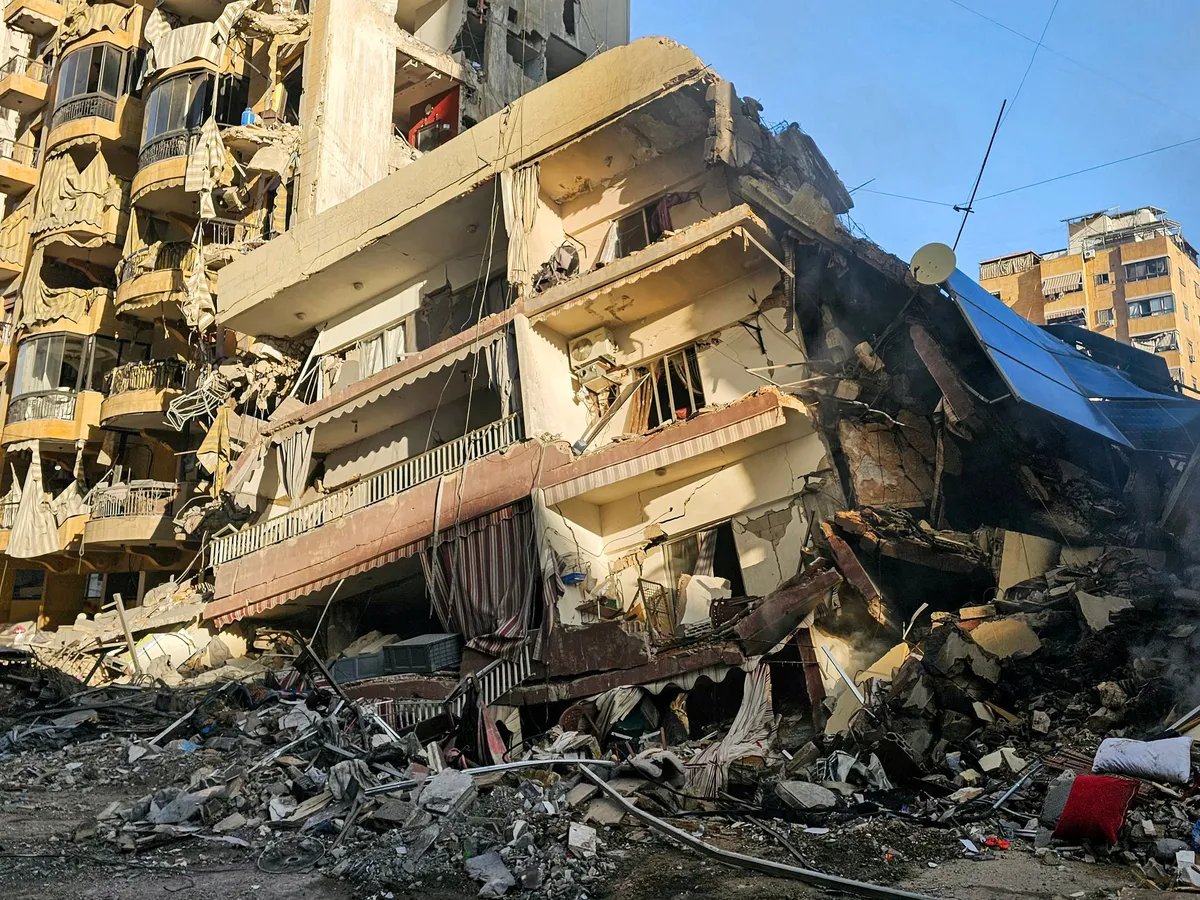
Background of the Conflict
Ayatollah Ali Khamenei was assassinated in US-Israeli strikes on February 28, 2026. This event marked a significant turning point in the ongoing conflict between Israel and Iran, which has seen escalating tensions over the years. The situation further deteriorated when Mojtaba Khamenei was appointed as Iran’s new supreme leader, prompting immediate military responses from Iran.
Recent Developments
As of March 9, 2026, the war between the US-Israel coalition and Iran has entered its 10th day. In a show of force, Iran has launched missile strikes targeting not only Israel but also Gulf states, including Kuwait, Qatar, Saudi Arabia, and the United Arab Emirates. This aggressive military action follows the leadership change in Iran, raising concerns over regional stability.
The US military has reported the loss of eight service members since the conflict began, highlighting the escalating dangers for American forces in the region. Additionally, Iranian attacks have resulted in significant casualties, with at least 1,200 people killed in Iran and 11 in Israel during the ongoing hostilities.
Reactions from Key Parties
In response to the situation, Donald Trump expressed his disapproval, stating, “Khamenei’s son is unacceptable to me.” Meanwhile, Saudi Arabia’s Foreign Ministry affirmed the kingdom’s commitment to safeguarding its security, declaring, “The Kingdom affirms that it retains its full right to take all necessary measures to safeguard its security, sovereignty, and the safety of its citizens and residents, and to deter aggression.” This statement underscores the heightened tensions in the region and the potential for broader conflict.
Impact on Global Oil Markets
The conflict has already had a significant impact on global oil prices, with Brent crude oil surging to $119.50 per barrel. Analysts are closely monitoring the situation, as the exact impact of the conflict on global oil supply remains unclear. Bahrain’s state oil company Bapco has declared ‘force majeure’ on its operations due to the conflict, further complicating the energy landscape.
Casualties and Damage
In addition to the military casualties, the conflict has resulted in civilian suffering. Reports indicate that at least 32 people were injured in an Iranian strike on Sitra, Bahrain, and two civilians were killed in an attack on Al-Kharj, Saudi Arabia. The human toll of this conflict continues to rise, raising urgent humanitarian concerns.
Looking Ahead
Observers and officials are left to speculate about the long-term implications of Mojtaba Khamenei’s leadership on Iran’s foreign policy. Details remain unconfirmed regarding the potential for further escalation or resolution of the conflict. As the situation develops, the international community watches closely, aware of the broader ramifications for regional and global stability.