Setting the Scene
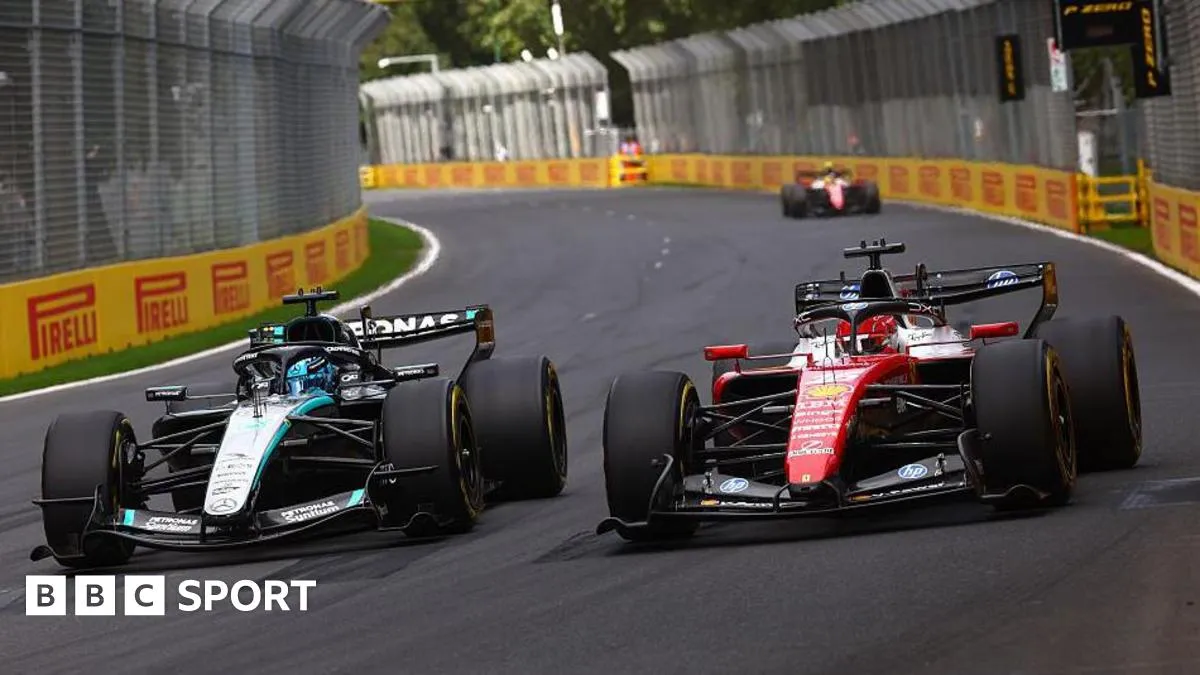
On March 8, 2026, the Australian Grand Prix took place in Melbourne, marking a significant turning point for Formula 1. This race was not just another event on the calendar; it was presented as the beginning of a new era of sustainability within the sport. With the introduction of new regulations requiring cars to utilize a substantial amount of electrical power, the dynamics of racing were set to change dramatically.
New Regulations and Their Implications
The updated regulations mandated that Formula 1 cars would require constant charging and deploying of 350 kilowatts (470 brake horsepower) of electrical power. This shift aimed to increase the share of electricity in the overall power output from 20% to 50%. However, despite these advancements, the cars would still rely on internal-combustion engines, raising questions about the true sustainability of the sport.
Race Day Developments
As the race unfolded, Max Verstappen showcased his driving prowess by making up 14 places to finish sixth. His performance was a testament to the challenges posed by the new regulations, which many drivers, including Lando Norris, described as chaotic. Norris remarked, “It’s chaos,” reflecting the uncertainty and difficulties faced by drivers as they adapted to the new racing environment.
Drivers’ Concerns
Amid the excitement, drivers expressed concerns regarding the potential for accidents due to speed differentials created by the new electric power dynamics. Verstappen himself noted, “I do want it to be better than this,” indicating that while he was able to overtake as he wished, the overall racing experience was still in flux. Andrea Stella, another prominent figure in the paddock, commented on the challenges of overtaking, stating, “When the pace settles and everyone is on the same pattern from a deployment schedule point of view, then I think that overtaking becomes difficult.” This highlights the ongoing adjustments drivers must make in response to the new regulations.
Environmental Impact and Health Concerns
While the shift towards electric power is a step towards sustainability, the use of biofuels in Formula 1 has raised significant health and environmental concerns. Reports indicate that biofuels can have a negative impact on nature and human health, with exhaust emissions increasing the risk of cancer, heart attack, and stroke. This contradiction poses a dilemma for the sport as it strives to balance performance with environmental responsibility.
The Road Ahead
As Formula 1 embarks on this new journey, the effectiveness of the new regulations in improving racing dynamics remains uncertain. The technology of electric cars has advanced rapidly in recent years, yet the integration of these innovations into a high-speed sport like Formula 1 presents unique challenges. Drivers and teams will need to navigate these complexities as they adapt to the evolving landscape of the sport.
Current State of Formula 1
At present, the Australian Grand Prix serves as a crucial indicator of how the sport will evolve in the coming years. With the introduction of new power dynamics and sustainability measures, Formula 1 is at a crossroads. The outcomes of these changes will significantly impact the teams, drivers, and fans who are deeply invested in the future of racing.