Changes in Fuel Pricing
Previously, petrol prices in Nigeria were relatively stable, with many consumers accustomed to purchasing fuel at lower rates. However, the recent Dangote fuel price increase has altered this landscape significantly.
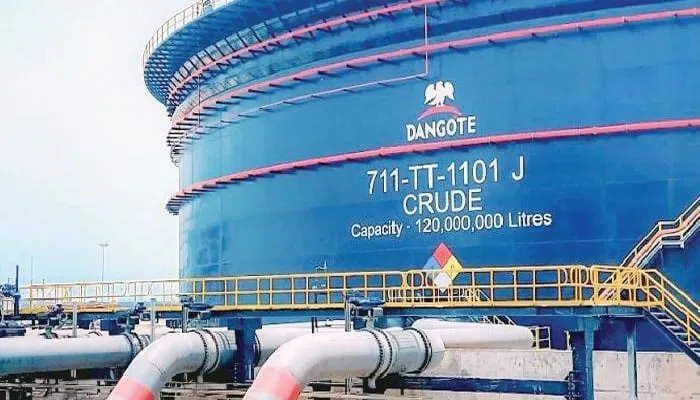
On March 8, 2026, Dangote Petroleum Refinery raised its gantry price of Premium Motor Spirit to N995 per litre. This adjustment has caused petrol prices to surge across various regions, now ranging from N1,000 to N1,190 per litre, depending on location and retail outlet.
In Abuja, for instance, petrol prices have escalated to between N1,052 and N1,105 per litre, while in Lagos, prices have reached as high as N1,190 per litre. Kaduna residents are paying between N1,060 and N1,070, and in Gombe, prices vary from N1,080 to N1,250 per litre.
The price hike has led to panic buying in some areas, particularly in Jigawa State, as consumers rush to secure fuel before prices potentially rise further. This situation is exacerbated by the ongoing geopolitical crisis in the Middle East, which has disrupted global oil supply chains and pushed crude oil prices upward.
As a result of these changes, transport fares have also increased. Daniel Ishyaku, a transport operator, noted, “Fuel is now more than N1,000 per litre. I bought petrol at N1,060 today. If I don’t increase the fare, I will run at a loss.” This sentiment is echoed by many in the transport sector.
Furthermore, Abdulazeez Bello expressed frustration, stating, “The price of fuel is now on the other side. How does the government expect us to survive?” Many individuals are feeling the financial strain as salaries remain unchanged despite rising costs.
Analysts warn that rising petrol prices often trigger a chain reaction across the economy, affecting various sectors and leading to increased costs for goods and services. Ibrahim Musa lamented, “We are really suffering. Before now, I could buy fuel with less money and still make a profit at the end of the day.”
With Brent crude prices now exceeding $90 per barrel, the implications of the Dangote fuel price increase are likely to be felt widely across Nigeria’s economy. Details remain unconfirmed regarding any potential government interventions to mitigate these rising costs.