Introduction to Intermittent Fasting
Intermittent fasting (IF) has gained significant attention as a dietary practice that cycling through eating and fasting periods. Its importance lies in its potential benefits for weight loss and metabolic health. With obesity rates climbing globally, understanding IF can help individuals make informed decisions about their eating habits.
What is Intermittent Fasting?
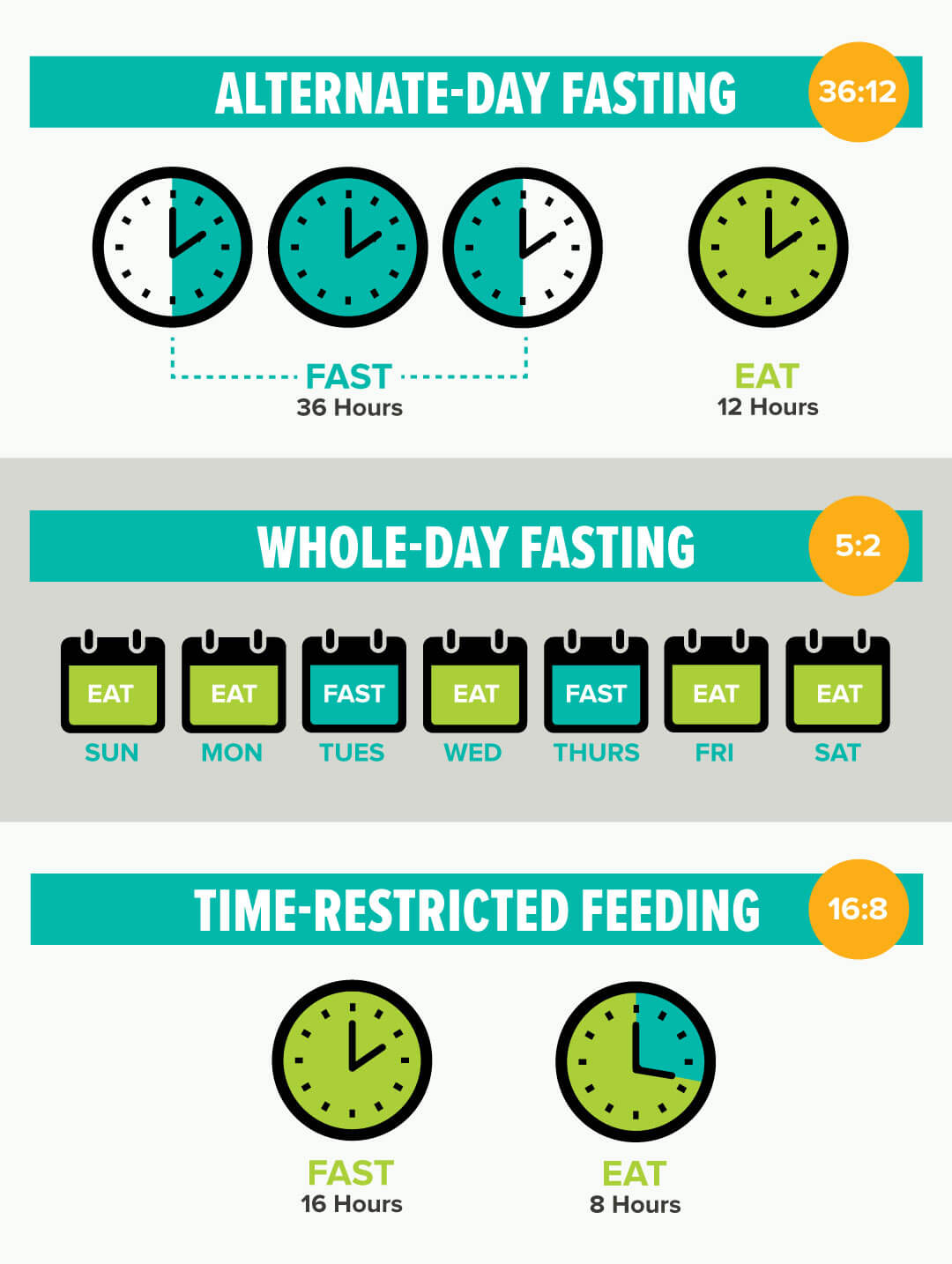
Intermittent fasting is not about which foods to eat but rather when to eat them. There are various methods, including the 16/8 method (fasting for 16 hours and eating for 8) and the 5:2 approach (eating normally for five days and restricting calories on two non-consecutive days). This practice encourages the body to switch from using glucose for energy to primarily using fat.
Health Benefits of Intermittent Fasting
Numerous studies have shown that intermittent fasting can provide various health advantages:
- Weight Loss: Many individuals find IF easier to manage than traditional calorie restriction, making it a sustainable approach for weight loss.
- Improved Metabolic Health: IF can improve insulin sensitivity, reduce inflammation, and lower blood sugar levels.
- Heart Health: Some research indicates that IF may improve various risk factors for heart disease, such as blood cholesterol levels and blood pressure.
- Cognitive Benefits: Fasting may enhance brain function and protect against neurodegenerative diseases, as some animal studies suggest that it promotes neuronal health.
Challenges and Considerations
While intermittent fasting has its benefits, it is essential to approach it carefully. People with specific health conditions, such as diabetes, should consult healthcare professionals before starting any fasting regimen. Additionally, some individuals may experience hunger pangs or irritability during fasting periods, especially in the initial stages.
Conclusion
Intermittent fasting is an intriguing dietary strategy that may offer various health benefits and promote weight loss. As research continues to emerge, it is crucial for individuals to assess their needs and consult health professionals to ensure it’s a suitable option for their lifestyle. With more people adopting this practice, the significance of understanding intermittent fasting will likely grow, leading to healthier eating patterns and improved health outcomes.