Introduction
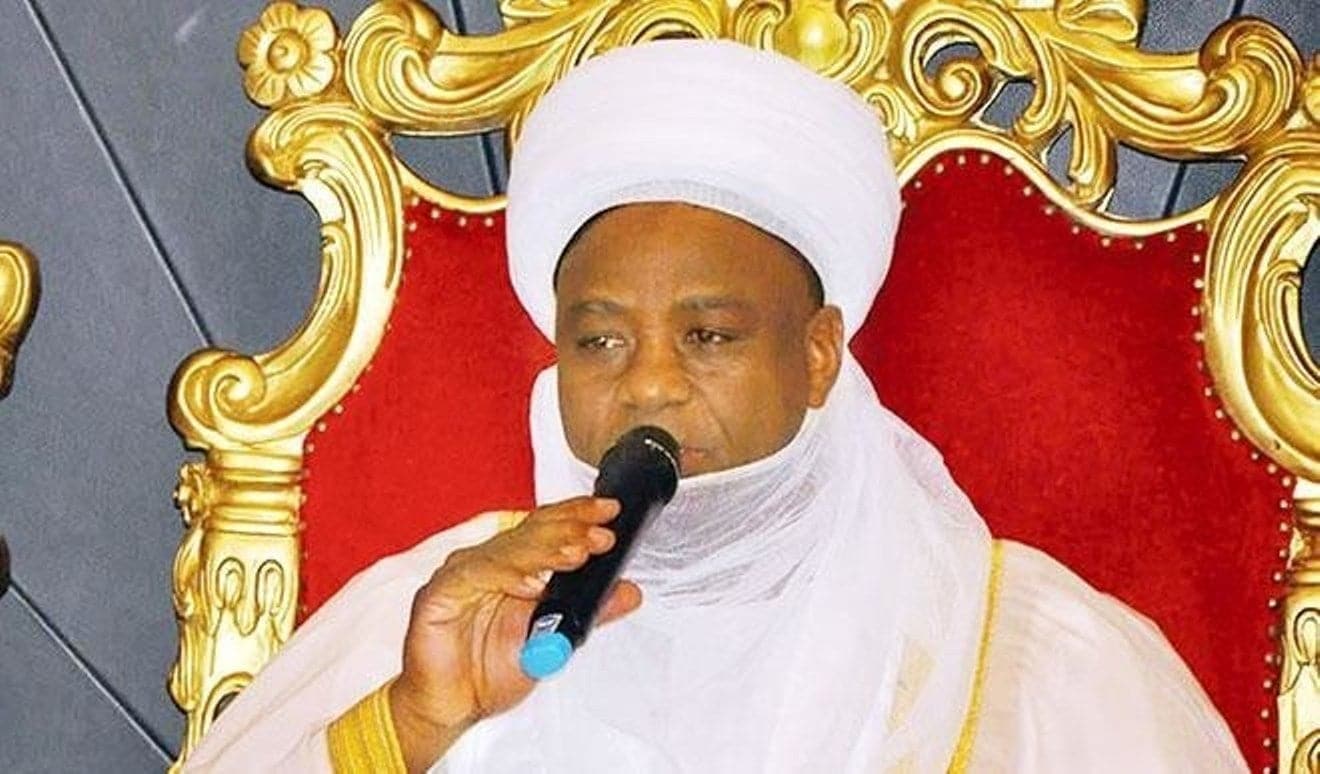
The Sultan of Sokoto is not just a spiritual leader; he is a symbol of unity and peace in Nigeria. As the head of the Nigerian Supreme Council for Islamic Affairs and the most influential figure in Islam in Nigeria, the Sultan’s role in socio-political issues is significant. Recently, his influence has been particularly crucial in addressing communal tensions and promoting nationwide peace.
Current Events and Significance
In light of ongoing socio-political challenges, the Sultan of Sokoto, Alhaji Muhammad Sa’ad Abubakar III, has recently taken a strong stance on issues such as violence, extremism, and economic challenges facing the nation. He has urged Muslims and Nigerians at large to engage in peaceful dialogue and to maintain harmony among different religious and ethnic groups.
During a recent conference aimed at fostering peace in Northern Nigeria, the Sultan emphasized the importance of education as a tool against radicalization and ignorance. He remarked that, “The solution to many of our current issues lies in enlightenment and proper education, especially for the youth who are susceptible to negative influences.” His statements have resonated widely as they call for collective efforts toward building a more peaceful society.
Historical Context
Historically, the Sultanate of Sokoto has played a pivotal role in the Islamic heritage of Nigeria, dating back to the caliphate established by Usman dan Fodio in the early 19th century. Today, the Sultan’s actions are often viewed in the context of their rich historical legacy, as he carries on the traditions of promoting unity among diverse groups within Nigeria’s multifaceted society.
Conclusion
The Sultan of Sokoto’s influence extends beyond religious leadership into the realms of social and political activism, making him a crucial figure in Nigeria’s quest for peace. His calls for education and dialogue are essential in fostering understanding among various groups in Nigeria. As societal challenges continue to evolve, the Sultan’s role will likely become even more critical in shaping a future where peace prevails and unity is embraced across all sectors of Nigerian society.