Introduction
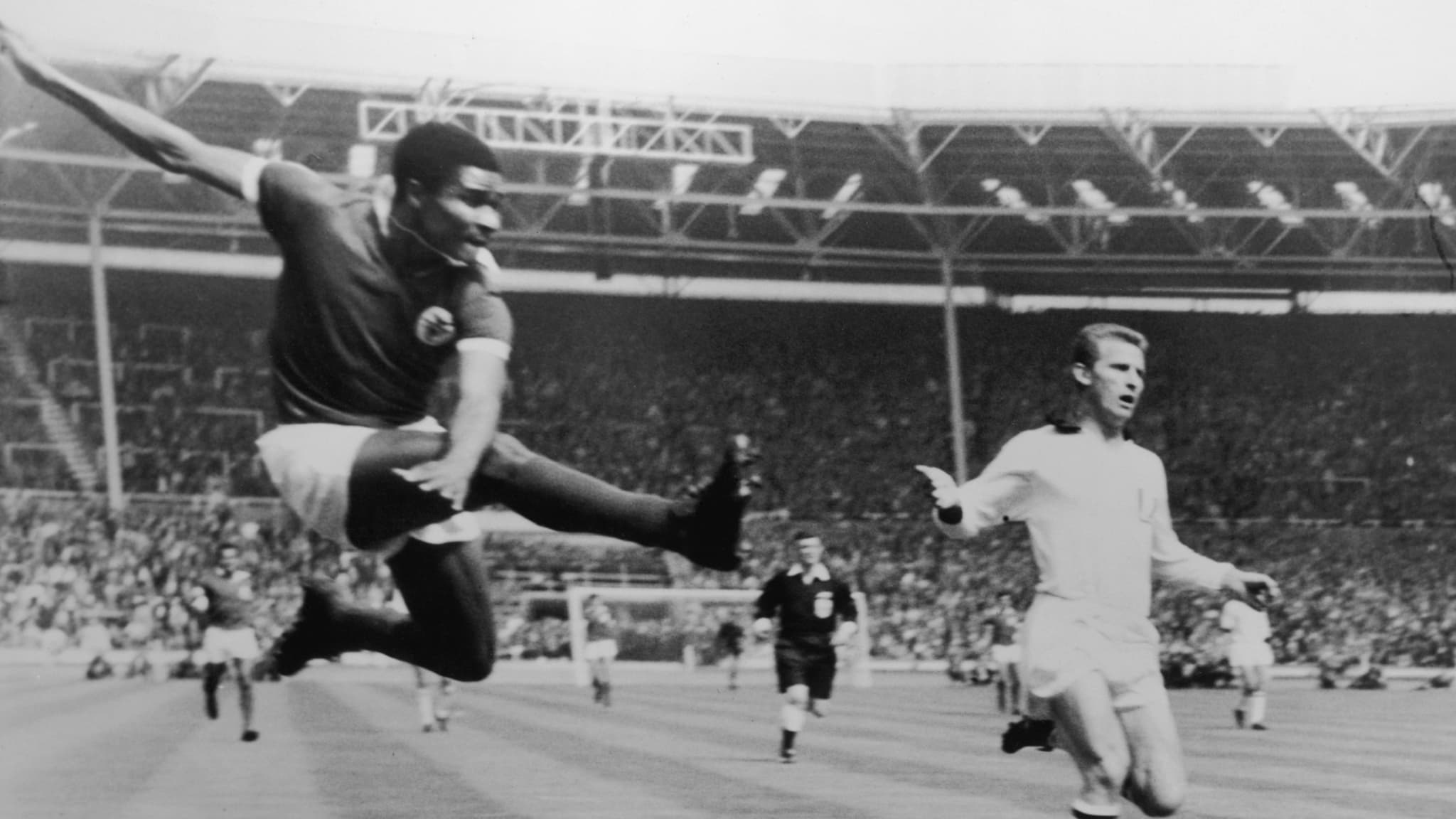
Eusebio da Silva Ferreira, commonly known simply as Eusebio, was more than just a footballer; he was a cultural icon. Born on January 25, 1942, in Mozambique, Eusebio became synonymous with the beautiful game and remains a significant figure in the history of football, particularly in Portugal and Africa. His impact on the sport continues to inspire generations, making it essential to reflect on his contributions and the relevance of his legacy in today’s world.
Early Life and Career
Eusebio was raised in a poor neighborhood in Lourenço Marques, now Maputo. His passion for soccer led him to join the local club, and his talent quickly shone through. At just 18, he joined Benfica, where he would cement his status as a star. During his career, he scored over 600 goals and was critical in securing numerous titles for the club, including eleven Primeira Liga championships and one European Cup in 1962.
Achievements on the Field
As a striker, Eusebio was noted for his incredible pace, powerful shot, and extraordinary scoring ability. He shone brightest during the 1966 World Cup held in England, where he emerged as the tournament’s top scorer, netting nine goals. His performance helped Portugal secure a third-place finish, turning him into an international sensation. Eusebio’s accolades did not end there; he received the Ballon d’Or in 1965 and was posthumously awarded a FIFA recognition for his contributions to the sport.
Impact Beyond Football
Beyond his skills on the pitch, Eusebio’s influence extended into social domains. He was a symbol of hope and pride for millions in Africa. After retiring, Eusebio utilized his fame to advocate for social causes, including youth development and the promotion of football in underprivileged communities. His story resonates with many young aspiring athletes who view him as a source of inspiration and motivation to pursue their dreams despite challenges.
Legacy and Recognition
Eusebio passed away on January 5, 2014, but his legacy endures. He is honored in various ways, including ships named after him, statues, and annual awards in his name. Recent discussions about his contributions have sparked renewed interest, with campaigns to ensure that future generations remember him as one of football’s greatest figures.
Conclusion
The legacy of Eusebio is not just confined to records and trophies; it represents resilience, cultural pride, and the extraordinary impact one individual can have on the world. As discussions about diversity in sports continue, Eusebio’s story serves as a pertinent reminder of the importance of bridging cultural gaps and celebrating talents from all backgrounds. His life and career exemplify the profound impact athletes can have, making it crucial that we ensure his contributions to football and society are never forgotten.