Introduction
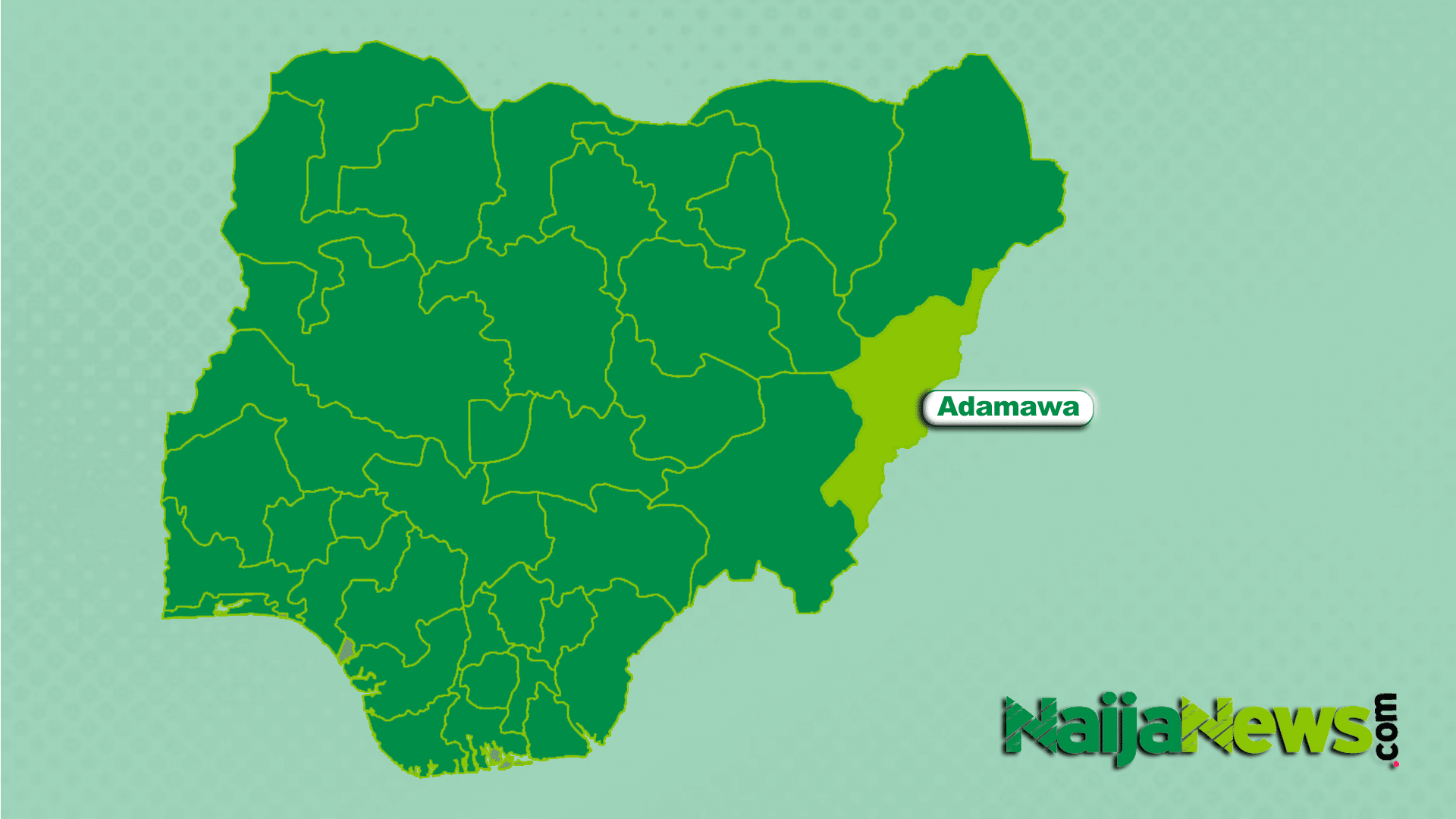
Adamawa State, located in the northeastern region of Nigeria, plays a pivotal role in the country’s cultural and geographical landscape. Known for its diverse ethnic groups, rich history, and significant agricultural activities, Adamawa has been gaining attention due to its socioeconomic challenges and efforts for development. Understanding Adamawa’s current state is essential for comprehending the broader socioeconomic dynamics of Nigeria.
Geographical and Cultural Diversity
Adamawa is renowned for its stunning landscapes, including the picturesque Mandara Mountains and the expansive Adamawa Plateau. The state is home to a variety of ethnic communities, including the Fulani, Bachama, and Mbula, each contributing to the region’s cultural richness. Festivals, traditional dances, and crafts reflect the vibrant cultures that exist in this state, making it an attractive spot for cultural tourism.
Socioeconomic Challenges
Despite its rich cultural heritage, Adamawa faces numerous challenges, particularly concerning security and economic stability. In recent years, the state has been affected by the activities of terrorist groups, which have led to a humanitarian crisis, displacing thousands and affecting local economies. The state’s agricultural sector, which is crucial for livelihood, has also been impacted, as insecurity has disrupted farming activities.
Development Efforts and Future Outlook
In response to these challenges, both the government and various NGOs have been working towards restoring peace and stability in Adamawa. Initiatives aimed at rebuilding infrastructure, promoting education, and improving healthcare services are underway. A focus on community engagement and support for local farmers is critical in revitalizing the agricultural sector. Furthermore, with the recent investments in tourism guided by the unique cultural heritage of the state, there are hopes for sustainable economic growth.
Conclusion
Adamawa State exemplifies both the potential and the challenges faced by many regions in Nigeria. Its rich cultural tapestry and significant natural resources present opportunities for development. With continued efforts towards addressing security and economic issues, there is optimism for a brighter future for Adamawa. For stakeholders, understanding this region’s dynamics is vital, as it not only represents a key part of Nigeria’s identity but also holds potential for national growth and development.