Introduction
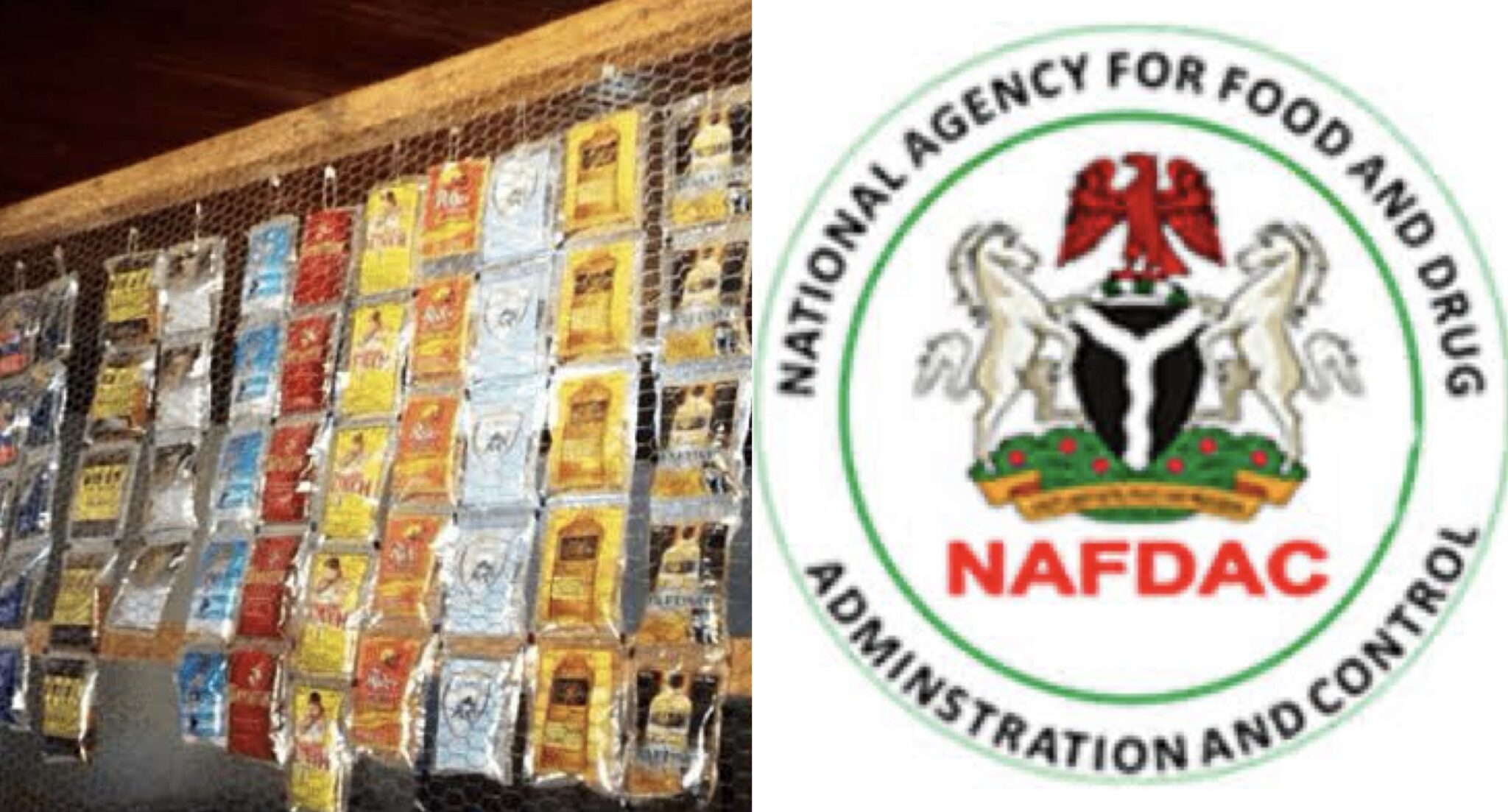
The sale and consumption of alcohol sachets in Nigeria have surged in recent years, prompting conversations about its impacts on public health and the economy. Alcohol sachets are small, often colorful packets that contain distilled spirits, sold at low prices. This trend is significant, not only because of its accessibility to consumers but also due to the implications for health, safety, and regulatory policies.
The Rise of Alcohol Sachets
Over the past several years, the alcohol sachet market has thrived, especially in urban areas where affordable means of obtaining alcoholic beverages are in high demand. According to a report from the National Bureau of Statistics, the sales of alcoholic beverages, including sachets, have increased by over 30% between 2020 and 2023. A sachet typically costs around 100 Naira (approximately $0.25), making it an attractive option for many youths and budget-conscious consumers.
Health and Safety Concerns
While alcohol sachets provide an affordable option for many, they also raise significant health concerns. Experts warn that the high alcohol content in these sachets can lead to excessive consumption and binge drinking, especially among youths. Furthermore, the lack of regulation in this sector raises questions about the safety and quality of these products. In 2022, there were reports of several cases of poisoning linked to counterfeit alcohol sachets that flooded the market, raising alarms for regulatory bodies.
Government Response and Regulation
In response to the growing concerns, the Nigerian government has been urged to impose stricter regulations on the sale and production of alcohol sachets. Discussions have emerged around the need for licensing producers and enforcing minimum age laws for consumers. The National Agency for Food and Drug Administration and Control (NAFDAC) is also working on initiatives to ensure better quality control and awareness campaigns about the risks of consuming unregulated alcohol products.
Conclusion
The rise of alcohol sachets in Nigeria reflects changing consumer preferences and economic factors, offering a cheap and readily available product. However, the potential health risks and regulatory challenges call for a re-evaluation of how such products are managed. As discussions continue, it is crucial for consumers to remain informed and for authorities to implement measures that prioritize public health while acknowledging market demands. The future of alcohol sachets may depend on balancing accessibility with safety and regulation.