Introduction
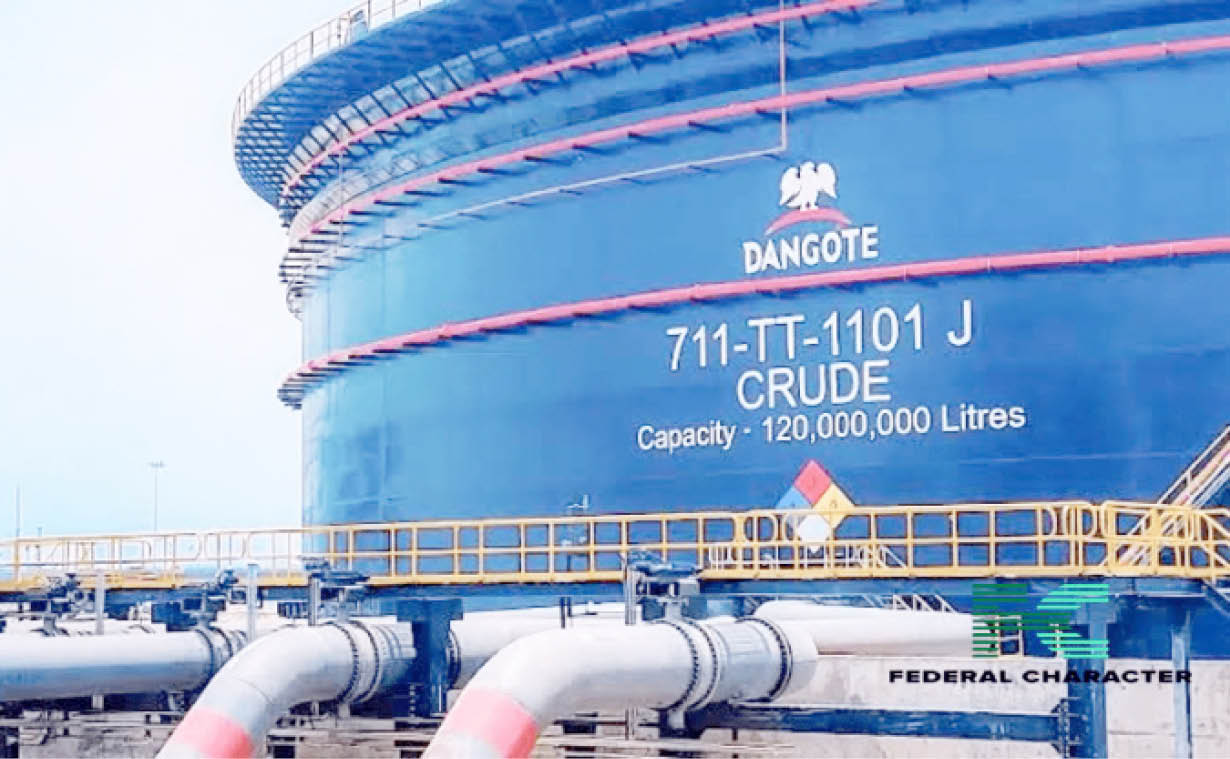
The Dangote Refinery, located in Lekki, Lagos, is poised to revolutionize Nigeria’s petroleum sector. As the largest single-train refinery in the world, it is expected to enhance Nigeria’s self-sufficiency in petroleum products and significantly reduce its dependence on imported fuels. The importance of this project cannot be overstated, as it is anticipated to play a pivotal role in stabilizing the country’s economy and creating numerous job opportunities.
Current Developments
As of October 2023, the refinery has commenced operations following a series of delays primarily due to the COVID-19 pandemic and economic fluctuations. The facility has a capacity to process 650,000 barrels of crude oil per day and will produce gasoline, diesel, kerosene, and aviation fuel. This scale of operation not only positions Nigeria as a major player in the global oil market but also aims to reduce the current fuel scarcity experienced across the nation.
Recent reports indicate that the refinery has begun supplying products to domestic markets, helping to stabilize fuel prices significantly. The Nigerian National Petroleum Corporation (NNPC) has also expressed optimism about enhancing local production capacity, which will cater to over 40 million consumers. In addition, the project is expected to attract foreign investment, boosting the country’s economy substantially.
Impact on Employment and Local Economy
The Dangote Refinery is estimated to generate more than 100,000 direct and indirect jobs, which is crucial in a country where unemployment rates are high. This influx of jobs will not only provide livelihoods for many Nigerians but will also foster skills development within the local workforce. Enhanced local employment opportunities are crucial for economic stability and personal welfare.
Conclusion
In conclusion, the Dangote Refinery represents a landmark initiative that has the potential to transform Nigeria’s oil and gas industry. By providing the country with the ability to meet its petroleum product needs domestically, the refinery will mitigate the current issues of fuel scarcity, stimulate economic growth, and create meaningful employment opportunities. As operations fully ramp up, all eyes will be on the refinery as it embarks on delivering on its promise and sustaining the momentum necessary for Nigeria’s economic resurgence.