Introduction
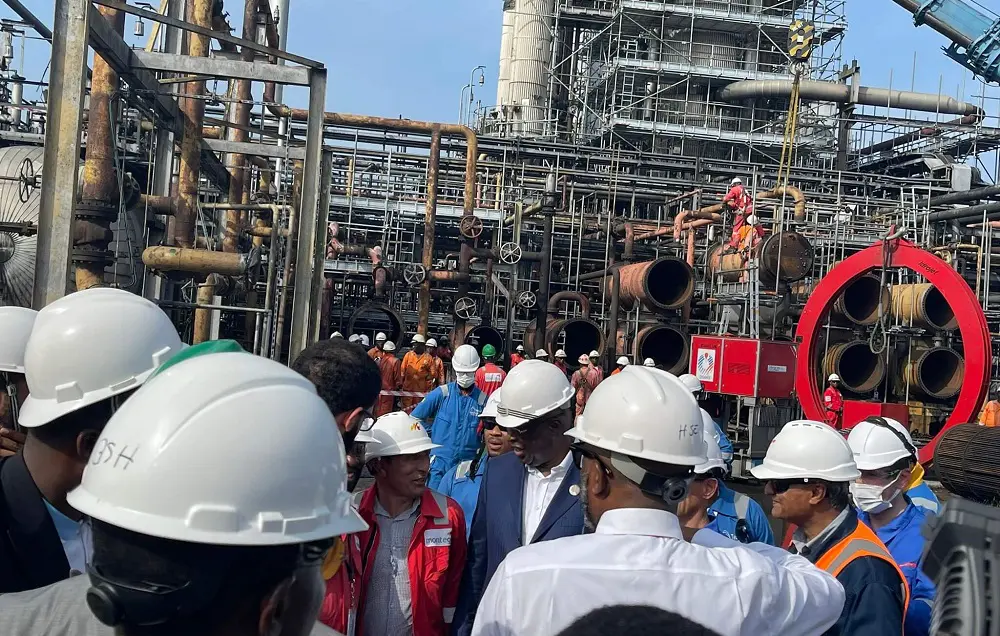
The Port Harcourt Refinery, located in Rivers State, Nigeria, is one of the country’s key assets in the oil industry. As Nigeria seeks to boost its domestic refining capacity and reduce fuel imports, the Port Harcourt Refinery plays a crucial role. Its ongoing upgrades and the government’s commitment to revitalizing this facility have significant implications for the nation’s economy and energy sector.
Current Developments
Recently, the Nigerian National Petroleum Corporation Limited (NNPCL) announced a multi-billion-dollar upgrade plan for the Port Harcourt Refinery. The refurbishment is intended to increase its capacity from 210,000 barrels per day to over 400,000 barrels per day. This upgrade aims to make the refinery more efficient and reduce Nigeria’s dependence on imported refined products, which have strained the country’s foreign reserves.
Government Initiatives
The Nigerian government is also implementing policies to enhance local refining capabilities. In line with the Petroleum Industry Act (PIA) enacted in 2021, the government is prioritizing investments in local refineries to boost production and ensure energy security. This initiative is expected to create jobs, stabilize fuel prices, and enhance energy access for Nigerians.
Challenges Ahead
Despite these positive strides, challenges remain. Aging infrastructure, funding hurdles, and disagreements between contractors and the government could delay the entire process. Technical difficulties also pose a risk to the completion timeline of the refinery’s upgrades. Analysts are cautiously optimistic, yet they emphasize the necessity of effective project management and oversight.
Conclusion
The full operationalization of the Port Harcourt Refinery is crucial to Nigeria’s long-term economic and industrial goals. If successful, it will not only provide cheaper fuel but also contribute significantly to job creation and economic growth. As the government moves forward with its plans, close attention will be required to ensure the refinery can operate efficiently and sustainably. The steps taken in the coming months will be pivotal, potentially marking a new dawn for Nigeria’s oil sector.