The Role of Electricity Meters in Nigeria
Electricity meters play a crucial role in the management and regulation of power consumption in Nigeria. With the country grappling with power supply challenges, understanding the functionality and importance of these devices is essential for both consumers and energy providers.
Types of Electricity Meters
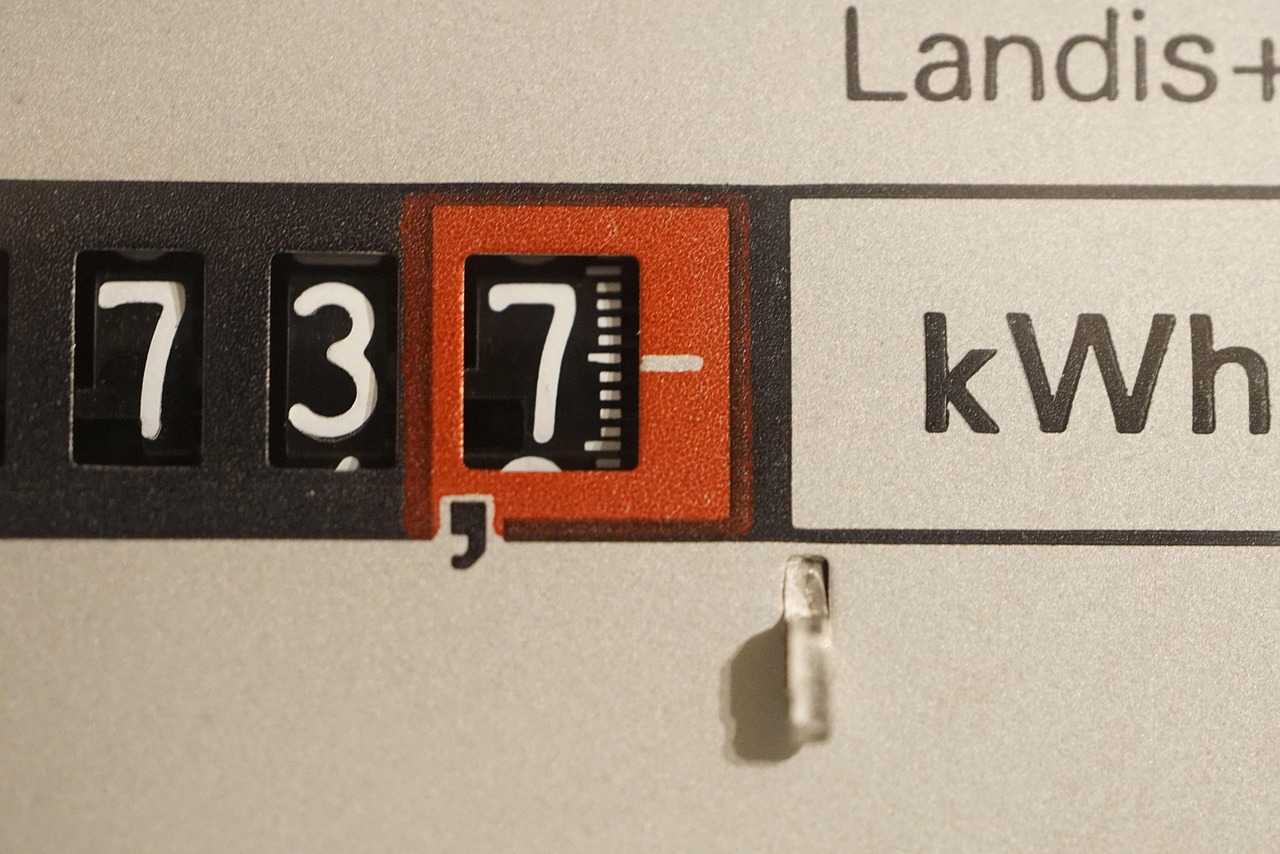
There are two main types of electricity meters available in Nigeria: traditional analog meters and modern smart meters. Traditional meters measure consumption through a dial that requires manual reading, while smart meters offer real-time data and enable remote monitoring. The deployment of smart meters is gaining traction as part of the government’s effort to improve energy efficiency and billing accuracy.
Recent Developments in Electricity Metering
In recent months, the Nigerian Electricity Regulatory Commission (NERC) has announced plans to accelerate the installation of smart meters across the country. This initiative, which is part of a broader strategy to enhance consumer confidence and reduce energy theft, aims to equip millions of users with smart metering solutions by 2025. As of now, pilot projects in various states have shown promising results, leading to reduced instances of estimated billing, often criticized by consumers.
Challenges Facing Electricity Meter Installation
Despite the advancements, the rollout of electricity meters faces significant obstacles. These include infrastructural deficits, concerns about data privacy, and logistical challenges in remote areas. Many consumers still rely on estimated billing, which often leads to disputes between them and energy suppliers. Furthermore, the rising cost of energy has made accurate metering essential for understanding individual usage and managing expenses more effectively.
Conclusion: The Future of Electricity Metering in Nigeria
As Nigeria continues to develop its energy sector, the evolution of electricity meters will play a pivotal role. The shift towards smart metering solutions is not just about improving billing accuracy; it’s also about fostering energy conservation among consumers. With ongoing government and private sector initiatives, the future looks promising for the implementation of efficient metering systems. For consumers, embracing these changes could mean better control over their energy consumption and expenditures.