Introduction
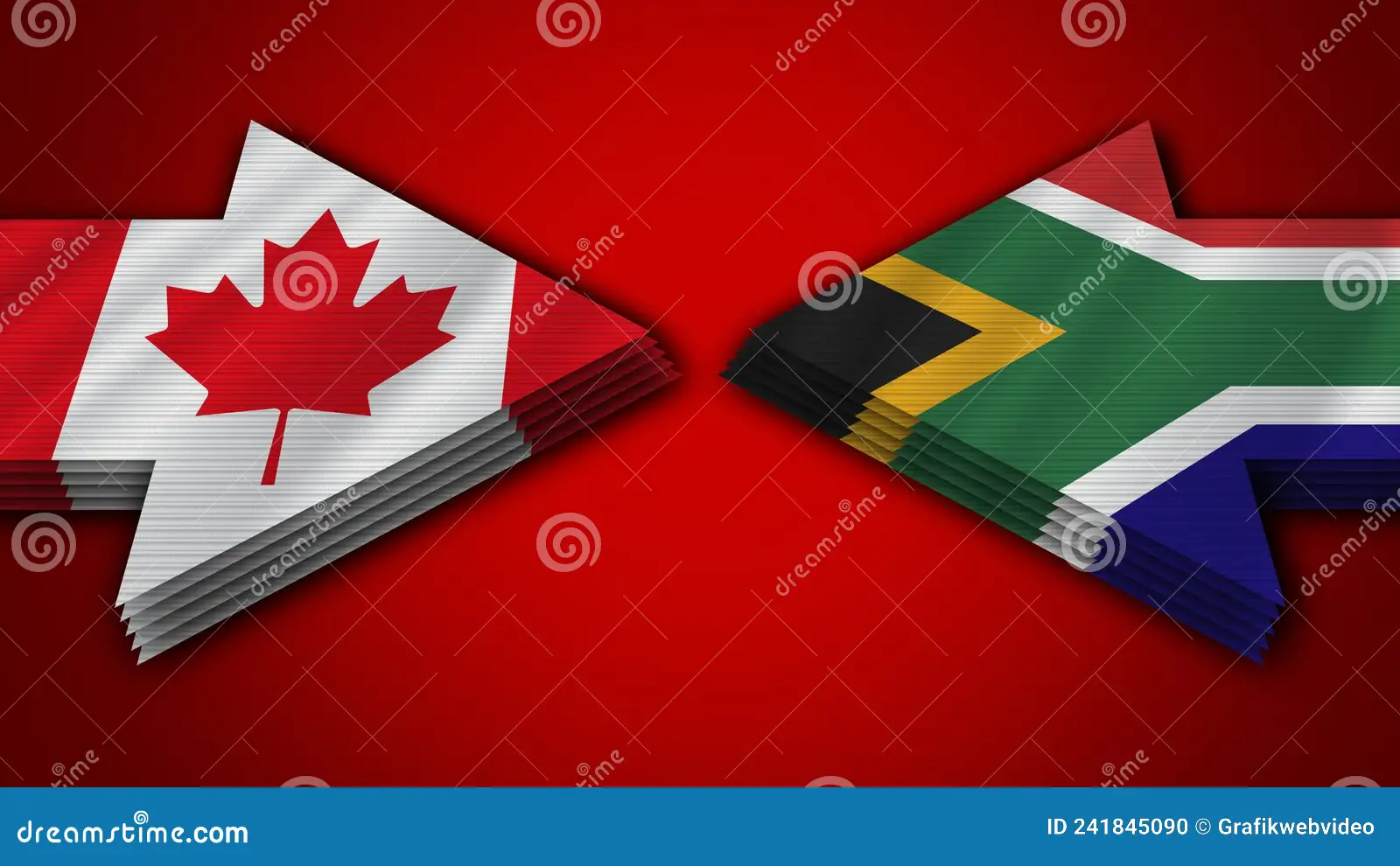
The comparison between South Africa and Canada has gained significant relevance in recent years due to their differing cultural, economic, and political landscapes. Both countries, while geographically distant, share some common challenges and opportunities in the global arena. Understanding these differences is crucial for investors, tourists, and scholars alike.
Cultural Differences
South Africa is renowned for its rich cultural diversity, often referred to as the “Rainbow Nation”. With eleven official languages and a mix of traditions from various ethnic groups, it offers a unique cultural tapestry. In contrast, Canada prides itself on being a multicultural society, where the Canadian Charter of Rights and Freedoms promotes diversity and inclusion. Both nations celebrate their cultural heritage through festivals and events, yet the manner in which they integrate these elements into daily life can vary greatly.
Economic Framework
Economically, Canada boasts one of the highest GDPs globally and is known for its stable economy, driven by natural resources and a strong service sector. The country enjoys high standards of living and robust public services. Conversely, South Africa, while being the most industrialized nation in Africa, faces challenges such as high unemployment rates and economic inequality. The COVID-19 pandemic has exacerbated these issues, with both nations striving to navigate the post-pandemic economic landscape with recovery plans that differ in approach and content.
Political Landscape
Politically, Canada operates as a parliamentary democracy with a strong emphasis on human rights, while South Africa is known for its transition from apartheid to a constitutional democracy in 1994. The political climate in South Africa continues to evolve, with ongoing debates around governance, corruption, and social justice. In contrast, Canada has stable governance structures, although it is not without its own political challenges, including regional disparities and issues regarding Indigenous rights.
Conclusion
In summary, the comparison between South Africa and Canada highlights stark differences in culture, economy, and politics. While Canada showcases stability and multiculturalism, South Africa represents a nation in transition, grappling with historical legacies and striving for social equality. Understanding these dynamics is vital for readers, influencing perspectives on international relations, travel, and investment opportunities. As both nations continue to develop, their unique paths may increasingly intersect, creating potential for partnership and collaboration in the global economy.