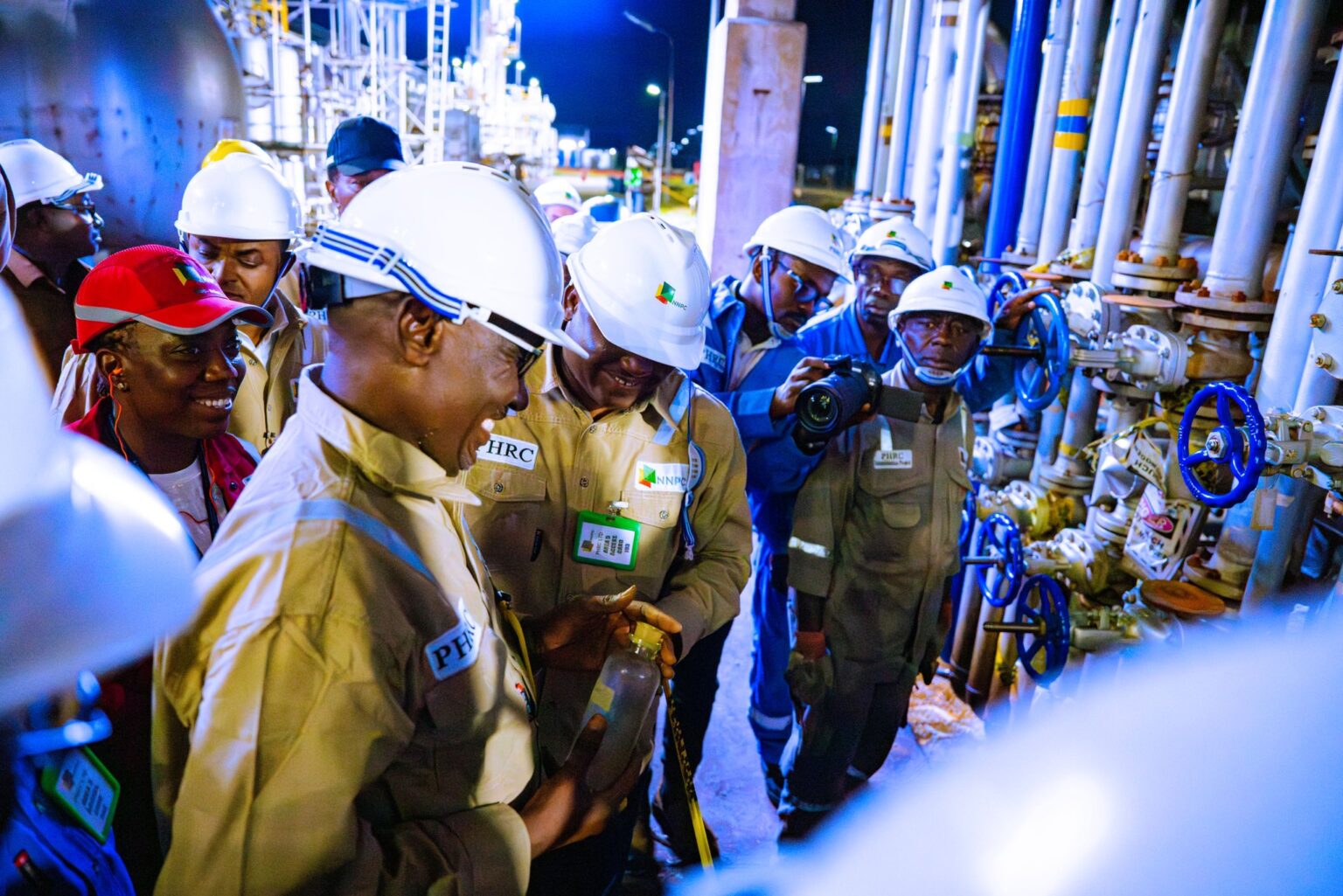
Introduction to Port Harcourt Refinery
The Port Harcourt Refinery, established in 1975, is one of Africa’s largest oil refineries and a significant player in Nigeria’s oil sector. This facility is crucial due to Nigeria’s status as one of the leading oil producers globally. With a refining capacity of 210,000 barrels per day, the refinery plays a vital role in meeting local fuel demands and generating revenue for the Nigerian government.
Current Situation and Developments
In recent years, the Port Harcourt Refinery has faced challenges including outdated infrastructure, operational inefficiencies, and corruption allegations, leading to periods of closure and undercapacity. However, revitalization efforts are currently underway, spearheaded by the Nigerian National Petroleum Corporation (NNPC). In June 2023, plans to upgrade the refinery were announced, with an investment of approximately $1.5 billion aimed at enhancing its efficiency and output.
Furthermore, the rehabilitation project is expected to create thousands of jobs and stimulate local economies. As part of the national economic recovery agenda, the government emphasizes the refinery’s role in reducing fuel import dependency and stabilizing fuel prices in the domestic market.
Environmental Impact and Community Engagement
The refinery has had significant environmental implications on the surrounding communities, often facing criticism over pollution and health concerns. Efforts are being made to incorporate more eco-friendly practices in refinery operations. Stakeholders have engaged local communities to address their concerns and include them in developmental plans.
Conclusion
The revitalization of the Port Harcourt Refinery is crucial for Nigeria’s energy security and economic stability. With strategic investments and reforms, it is projected that the refinery can achieve sustainable operations by 2025, significantly impacting local fuel availability and prices. For readers, the developments at the Port Harcourt Refinery present an opportunity to understand the complexities of Nigeria’s oil industry and the ongoing efforts to harness its full potential.