Introduction
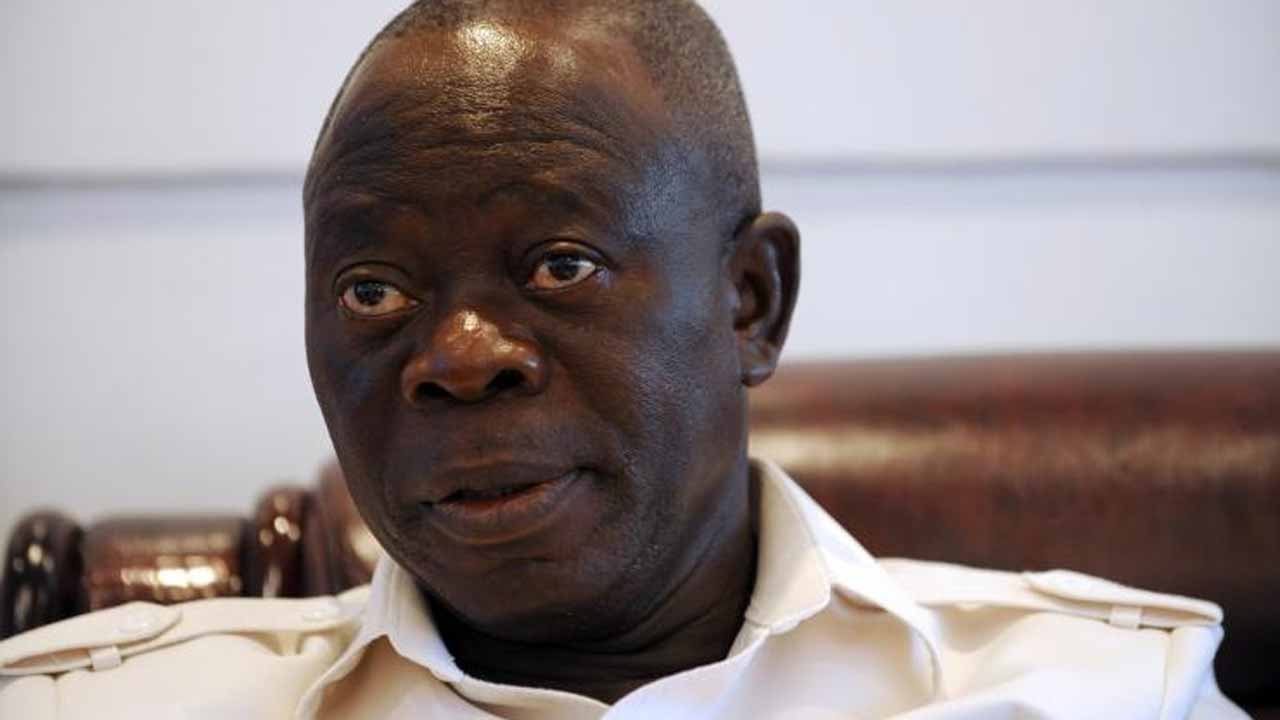
Adams Oshiomhole, a prominent figure in Nigerian politics, has played a significant role in shaping the political landscape of the country. As a former governor of Edo State and the national chairman of the All Progressives Congress (APC), Oshiomhole’s influence continues to resonate within the political corridors of Nigeria. Understanding his political journey is crucial for anyone interested in the dynamics of governance and party politics in Nigeria.
Political Ascendancy
Oshiomhole began his career as a labour leader, having served as the president of the Nigeria Labour Congress (NLC). His tenure in this role, which spanned from 2001 to 2007, was marked by significant strides in advocating for workers’ rights. In 2007, he transitioned from unionism to politics, winning the governorship of Edo State on the APC platform. His administration from 2007 to 2015 is remembered for infrastructure development, education reform, and a focus on healthcare improvement. Under his leadership, Edo State witnessed considerable socio-economic growth, which contributed to his popularity.
Role in National Politics
In June 2018, Oshiomhole was appointed the national chairman of the APC, bringing his political acumen to the forefront of Nigerian politics. His tenure was marked by ambitious electoral strategies, including leading the party to a significant victory in the 2019 general elections. However, his leadership faced challenges, particularly concerning internal party conflicts and criticisms regarding governance. In 2020, following tensions within the party and several crises, he was suspended as national chairman, highlighting the complexities of maintaining unity and direction within political parties in Nigeria.
Recent Developments and Future Outlook
As of late 2023, Oshiomhole remains an influential voice within the APC, advocating for better party cohesion and electoral success. His recent statements emphasize the need for unity among party members to ensure that the APC retains its relevance in future elections. Political analysts suggest that Oshiomhole may position himself for a return to leadership roles, should the opportunity arise, particularly as Nigeria approaches another election cycle in 2027.
Conclusion
Adams Oshiomhole’s political journey reflects the intricate nature of Nigerian governance and party politics. His contributions as a labour leader and as a former governor underscore his impact on the socio-political fabric of Edo State and Nigeria. As he continues to play a role in the APC and Nigerian politics, observers will be keen to watch how his legacy evolves and influences future generations of leaders.