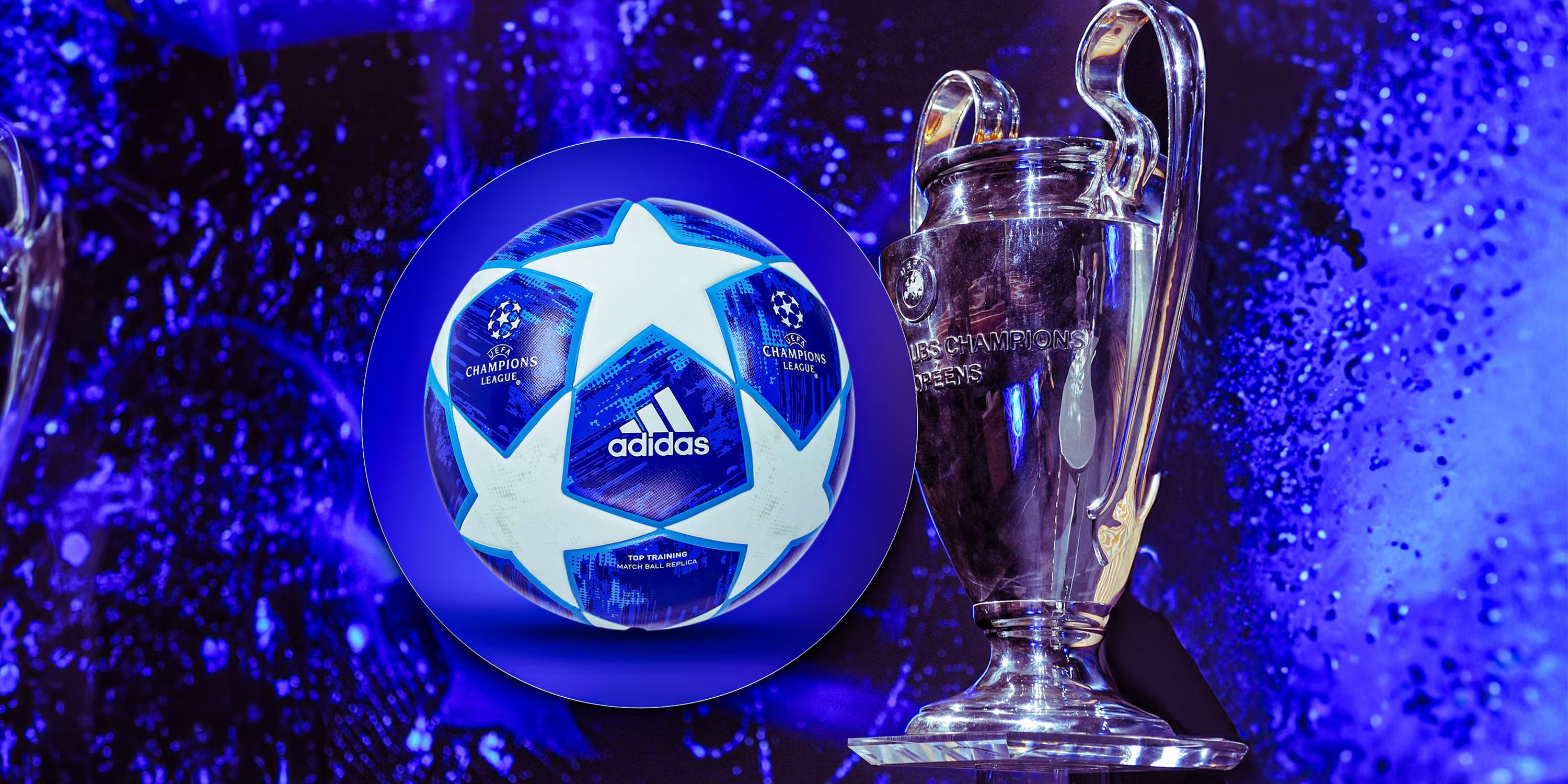
Introduction to the Champions League Format
The UEFA Champions League is one of the most prestigious tournaments in football, attracting the best clubs from across Europe. Recently, UEFA announced a significant change in the competition’s format, aimed at enhancing competitiveness and viewership. Understanding this new format is crucial for fans, clubs, and stakeholders as it shapes the landscape of European football.
What’s New in the Champions League Format?
The new Champions League format, which will take effect from the 2024-2025 season, introduces a ‘Swiss model’ system, replacing the traditional group stage. In this system, all participating teams will compete in an extended league format, facing each of the other teams in their group once. A total of 36 teams will participate, increasing from the usual 32.
Clubs will be placed into a single league table, and the best 8 teams will automatically qualify for the knockout stages. The teams ranked 9th to 24th will play in a playoff round to determine the remaining knockout stage participants. This change is designed to promote more matches between top clubs while giving more teams a chance to qualify for the knockout rounds.
Impact on Teams and Fans
The new format is expected to elevate the level of competition, as teams will face a broader range of opponents and the chance to accumulate points over more matches. This could favor teams from top leagues, potentially increasing their influence in the tournament. For fans, this means greater access to high-profile matches and an overall more exciting viewing experience.
However, the shift has raised concerns among smaller clubs regarding the possibility of being overshadowed by wealthier teams. UEFA emphasizes that the increased revenue generated through expanded broadcast rights and sponsorships from this format will also positively impact smaller clubs, albeit they remain cautious about the competitive balance in the tournament.
Conclusion: The Future of the Champions League
As we look towards the 2024 season, the new Champions League format represents a significant evolution in how the tournament operates. With its emphasis on increased competitiveness and fan engagement, it aims to meet the demands of modern football audiences. This change could redefine the future of the Champions League and its role in international football, making each match an essential part of an exciting journey towards the coveted trophy.