Introduction
The Chagos Archipelago, a group of islands located in the Indian Ocean, has become a focal point of geopolitical tension and legal disputes in recent years. Its relevance arises not only from its strategic location but also from the complex history surrounding it, particularly concerning the rights of the indigenous Chagossians who were forcibly removed from the islands in the 1960s and 70s. The ongoing battles over sovereignty and human rights continue to captivate international attention.
The Geopolitical Importance of Chagos
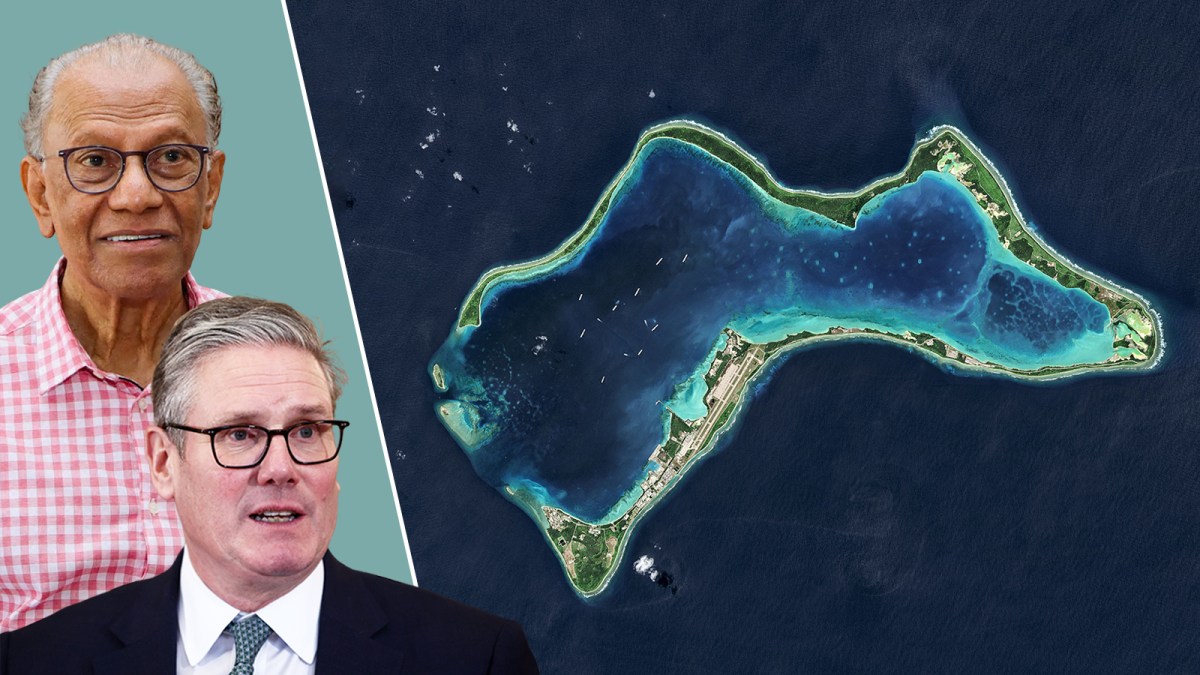
Chagos is known mainly for Diego Garcia, a crucial military base operated by the United States. The base, which plays a key role in American military operations, especially in the Middle East and Asia, has been instrumental since its establishment in the 1970s. The strategic location of these islands makes them a key asset for military logistics and surveillance in a volatile region.
Historical Context
The history of Chagos is marked by controversy. In the late 1960s, the British government began relocating the approximately 2,000 native inhabitants to facilitate the establishment of the U.S. military base. This forced displacement has led to decades of legal struggles, with the Chagossians seeking the right to return to their homeland. The United Kingdom has faced criticism from human rights organizations and the international community for its actions and for maintaining control over a territory that many argue rightfully belongs to the Chagossians.
Current Legal Battles
In recent years, the legal status of Chagos has been challenged in various courts. In 2019, the International Court of Justice (ICJ) ruled that the UK should end its colonial administration of the Chagos Islands and that it is a violation of international law. Despite this ruling, the UK has maintained its stance, arguing that the islands have strategic importance and that they remain under British control. The British government has indicated that it will not cede sovereignty over Chagos, leading to continued unrest among the Chagossian people.
Conclusion
The ongoing situation in the Chagos Archipelago is a complex interplay of humanitarian, legal, and geopolitical issues that are significant for both the residents and global relations. The Chagossians’ quest for justice highlights the broader implications of colonial legacies and the enduring struggles faced by indigenous populations. As international attention turns increasingly towards promoting human rights, the future of Chagos remains uncertain. Observers anticipate that pressure from global organizations may lead to renewed discussions on a sustainable resolution that acknowledges the rights of the indigenous people while addressing geopolitical concerns.