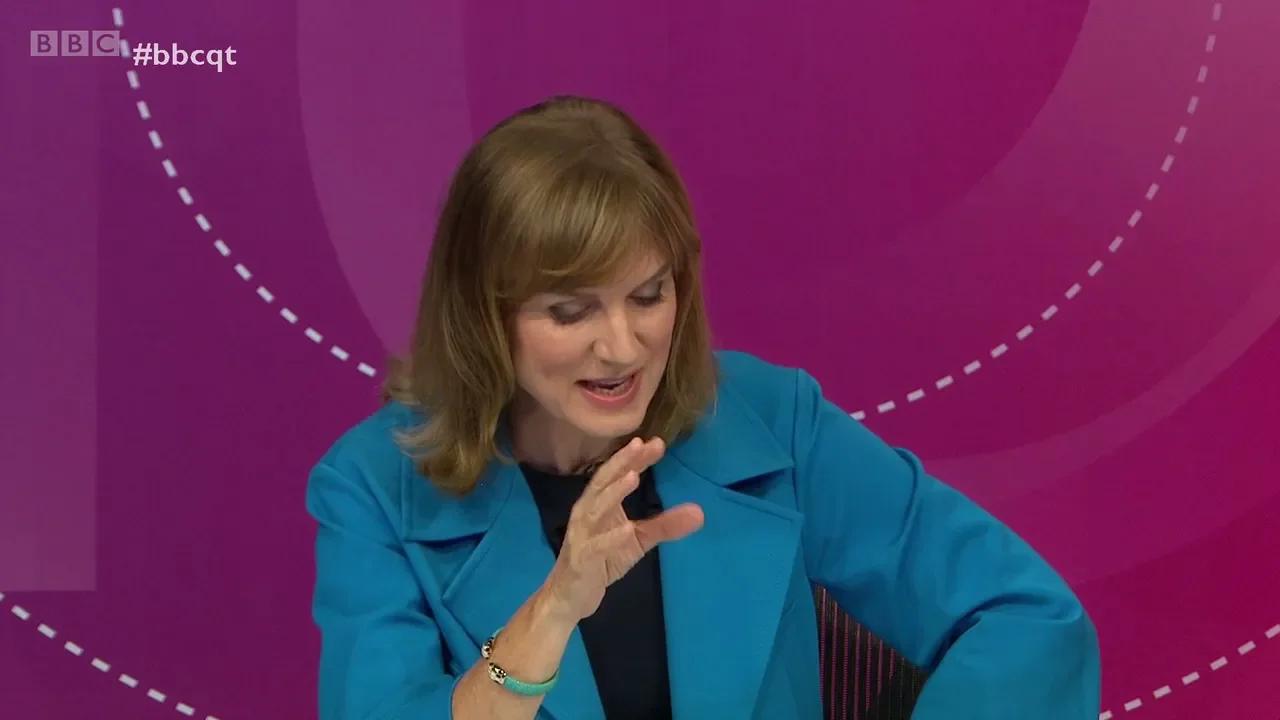
Introduction to Question Time
Question Time is a vital aspect of parliamentary procedure in Nigeria, allowing legislators to question government officials and hold them accountable for their actions. This process is essential for fostering transparency, enhancing democratic governance, and ensuring that the government remains responsive to the needs and concerns of its citizens. By providing a platform for debate and inquiry, Question Time plays a crucial role in nurturing a healthy political environment.
Details of Recent Question Time Sessions
In recent sessions of the National Assembly, Question Time has been at the forefront of discussions on pressing issues such as economic management, security challenges, and public health. For instance, the Minister of Health was called to answer questions regarding the government’s response to the ongoing health crises in the country. Legislators raised concerns about the efficiency of health policies and the availability of resources, which led to a vigorous exchange of ideas.
Additionally, the Minister of Finance faced scrutiny regarding the recent budget allocations, emphasizing the need for transparency in the budgeting process. Such interactions during Question Time are critical as they highlight the areas where government performance can be improved and ensures that citizens are informed about the decision-making processes that affect their lives.
The Significance of Question Time
Question Time serves multiple purposes that contribute significantly to Nigeria’s democratic framework. Firstly, it provides an essential check on government power, allowing elected representatives to challenge ministers and other officials, thereby promoting accountability. Secondly, it encourages public engagement in governance, as citizens can follow these sessions and understand the positions of their representatives.
Moreover, the media plays a critical role in amplifying the discussion from Question Time, bringing attention to issues that may otherwise go unnoticed. As we move forward, it is imperative that Question Time remains a robust feature of our parliamentary system, adapting to the changing political landscape while upholding the principles of democracy.
Conclusion
As the legislative session continues, the significance of Question Time cannot be understated. It is a fundamental component of Nigeria’s political discourse and a means for citizens to hold their leaders accountable. Observers predict that if utilized effectively, Question Time can lead to more informed policymaking and increased governmental accountability, fostering a more engaged citizenry in the democratic process.