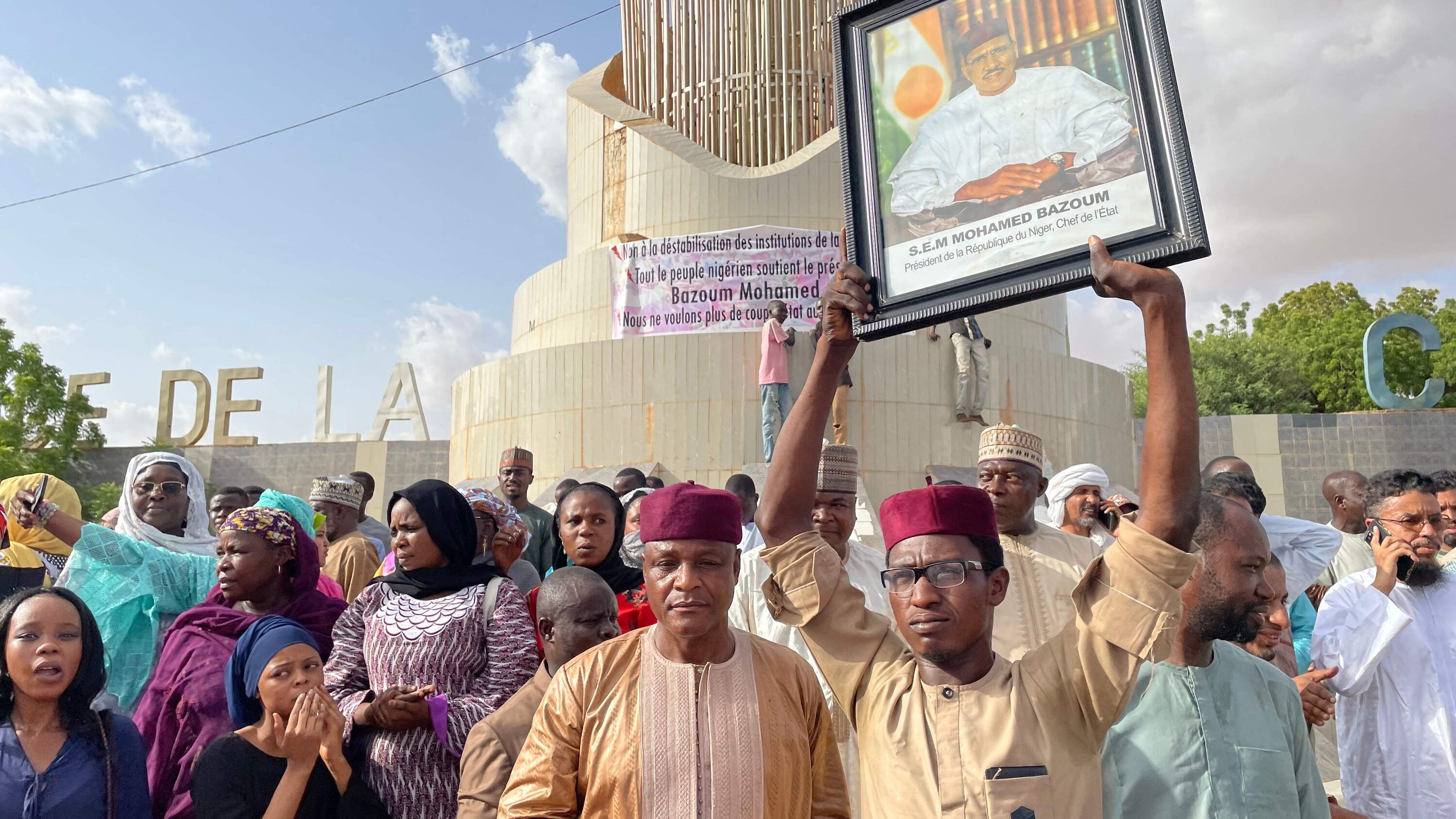
Introduction
Military coups have significantly shaped Nigeria’s political trajectory since its independence in 1960. Understanding the impact and frequency of these coups is crucial for grasping contemporary political issues in Nigeria. With Nigeria’s recent history marked by repeated disruptions of democracy, the topic remains relevant as the country navigates current challenges.
Historical Context
Nigeria has experienced multiple military coups, the first occurring in January 1966, when Major General Johnson Aguiyi-Ironsi overthrew the government of Sir Abubakar Tafawa Balewa. Subsequent coups followed in 1975, 1983, and the most notable one in 1993, when General Sani Abacha’s regime succeeded the transitional government led by Ernest Shonekan. Each coup resulted in varying degrees of political instability and social upheaval.
Recent Developments
In recent years, there have been growing concerns regarding the military’s influence over Nigeria’s governance. While there have been no direct coups since the end of military rule in 1999, the military’s role has remained prominent, especially in combating insurgents like Boko Haram. Furthermore, allegations of coup plots have surfaced, sparking debates on military loyalty and civil-military relations.
Implications for Democracy
The legacy of military coups continues to haunt Nigeria’s democratic processes. Frequent interruptions in governance result in weakened institutions and a decline in public trust. The international community watches closely, as repeated coups could threaten regional stability in West Africa. Lawmakers are currently grappling with ensuring the military remains loyal to constitutional democracy, emphasizing the need for military reform.
Conclusion
Understanding the phenomena of military coups in Nigeria is essential for both political analysts and the general populace. As Nigeria continues to face security challenges and political unrest, the role of the military must be carefully monitored to prevent any descent back into authoritarian rule. Going forward, fostering a political culture that promotes democratic values and accountability will be critical for Nigeria’s stability and growth.