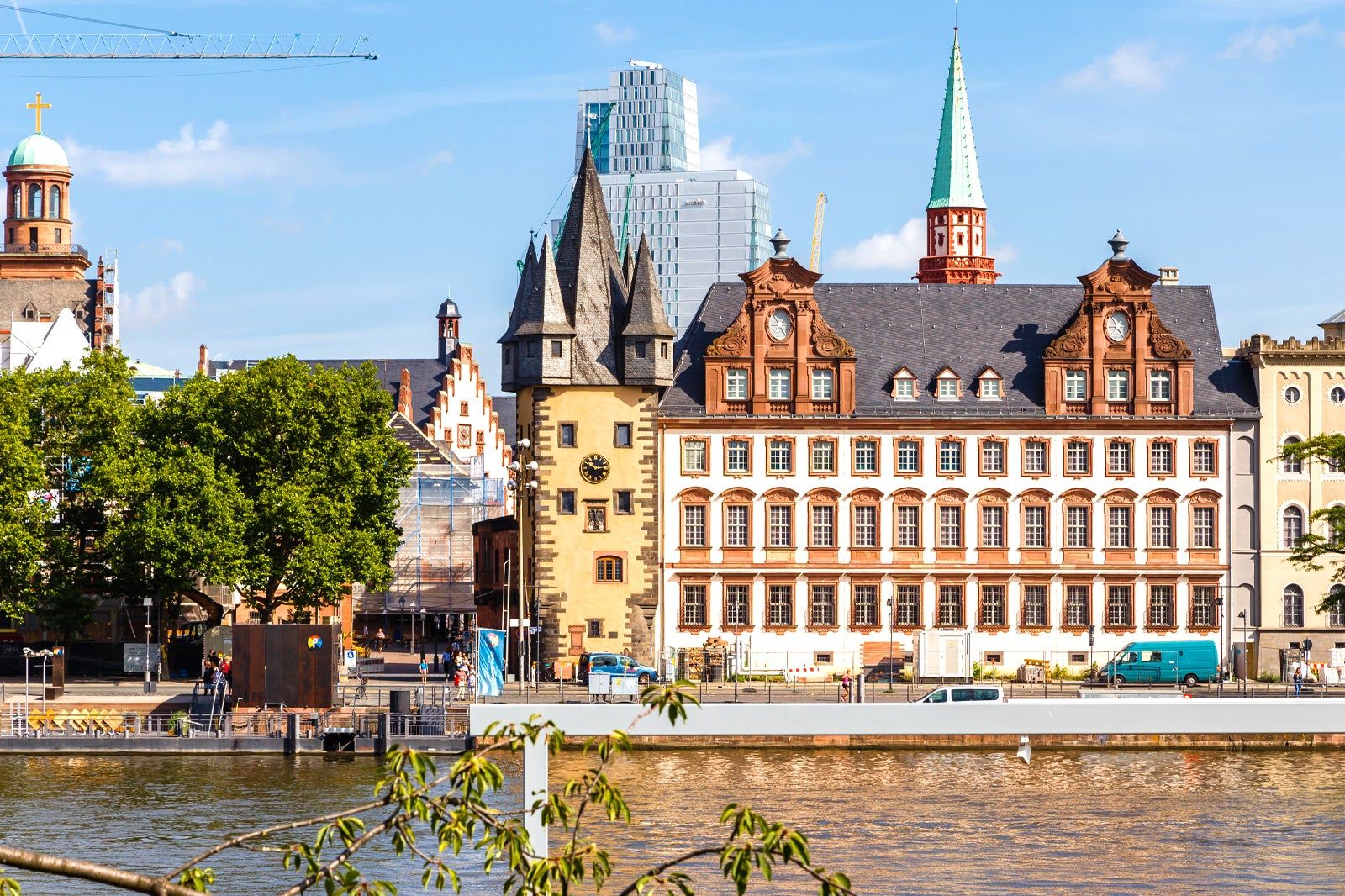
Introduction: Why Frankfurt Matters
Frankfurt am Main, often recognized simply as Frankfurt, is pivotal to Germany’s economy and a major European financial center. Home to the European Central Bank, Frankfurt plays a crucial role in shaping economic policies within the Eurozone. Its strategic location at the heart of Europe, outstanding infrastructure, and rich cultural heritage make it not just a business hub but also a city of great importance for travelers and expatriates alike.
The Financial Significance of Frankfurt
Since the post-war era, Frankfurt has cemented itself as Europe’s financial capital. The Frankfurt Stock Exchange is one of the world’s largest stock exchanges by market capitalization and is a key player in global finance. Additionally, numerous multinational corporations have established their headquarters in the city, enhancing its reputation as a business epicenter. With a high concentration of banks, including Deutsche Bank and Commerzbank, the financial district continues to thrive, with new fintech companies emerging within its innovation hubs.
Cultural Landscape of Frankfurt
Beyond its financial prowess, Frankfurt boasts a vibrant cultural scene. The city is home to an eclectic mix of museums, theaters, and galleries, particularly in the Museumsufer, or Museum Riverbank. Visitors can explore the Städel Museum, which houses an extensive collection of European art, from the Middle Ages to the present day. Furthermore, the annual Frankfurt Book Fair, the largest of its kind globally, attracts authors, publishers, and bibliophiles from around the world, highlighting the city’s literary significance.
Urban Development and Future Prospects
In recent years, Frankfurt has undergone significant urban development, aiming to incorporate sustainability and modern living into the fabric of the city. Projects aimed at enhancing public transport, increasing green spaces, and revitalizing neighborhoods are underway, responding to the needs of both residents and businesses. As the global economy continues to evolve, Frankfurt’s adaptability may further strengthen its position in the financial landscape.
Conclusion: The Future of Frankfurt
As a city that intertwines finance with rich cultural experiences, Frankfurt is poised for continued growth and success. Its ability to adapt to changing economic landscapes and embrace innovation will ensure its relevance for years to come. For natives and tourists alike, Frankfurt offers not just a taste of modernity but also a glimpse into Germany’s historical and cultural past, making it a city that remains significant on multiple levels.