Introduction
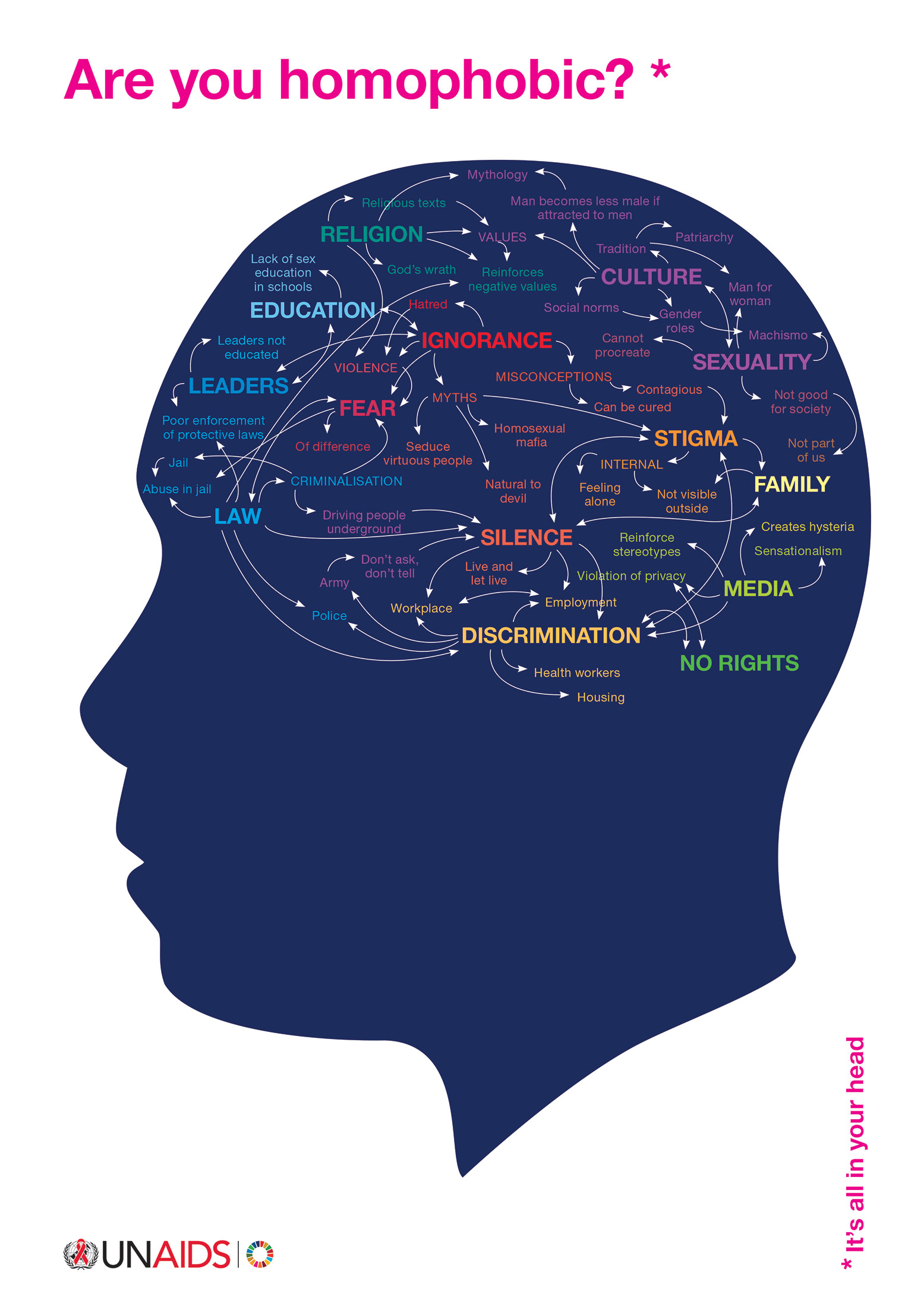
In recent years, homophobia has become a pressing issue in Nigeria, with increasing reports of discrimination and violence against the LGBTQ+ community. The societal stigma attached to homosexuality in Nigeria is profound, contributing to a climate of fear and repression. Understanding homophobic attitudes is crucial, not just for the safety and rights of individuals but for fostering a more inclusive society.
Current State of Homophobia in Nigeria
Recent studies indicate that over 90% of Nigerians hold negative views toward LGBTQ+ individuals. These attitudes are deeply rooted in cultural, religious, and historical contexts. The Nigerian government has enacted laws such as the Same-Sex Marriage Prohibition Act, which further marginalizes and criminalizes homosexuality. Reports from human rights organizations reveal alarming instances of violence, including attacks and killings motivated by homophobia.
Impact on LGBTQ+ Community
The rise in homophobic sentiments leads to significant repercussions for the LGBTQ+ community in Nigeria. Many individuals face harassment, discrimination in workplaces, and lack access to essential services such as healthcare. In a notable case reported this year, a group of LGBTQ+ activists faced violent reprisals during a community outreach event, further highlighting the risks associated with advocating for LGBTQ+ rights. Additionally, the pervasive stigma often results in mental health issues, including depression and anxiety among LGBTQ+ individuals.
Efforts Toward Change
In response to the growing crisis, several local and international organizations are working tirelessly to promote awareness and advocacy. Campaigns aimed at educating the public about LGBTQ+ rights and dispelling myths about homosexuality are being implemented. However, the continued suppression of dissenting voices makes these efforts challenging. Activists emphasize the need for dialogue and policy reform to create a safer environment for LGBTQ+ individuals.
Conclusion
As Nigeria continues to grapple with deep-seated homophobic attitudes, it is imperative for society to recognize the implications of discrimination. While progress is slow, there is hope for a future where acceptance prevails. Advocates for LGBTQ+ rights urge for increased awareness and governmental accountability to dismantle the systemic barriers faced by the community. Only through collective action can there be a transformation in society’s perception of homosexuality, paving the way for inclusivity and respect for all.