Introduction: The Importance of Pangolins
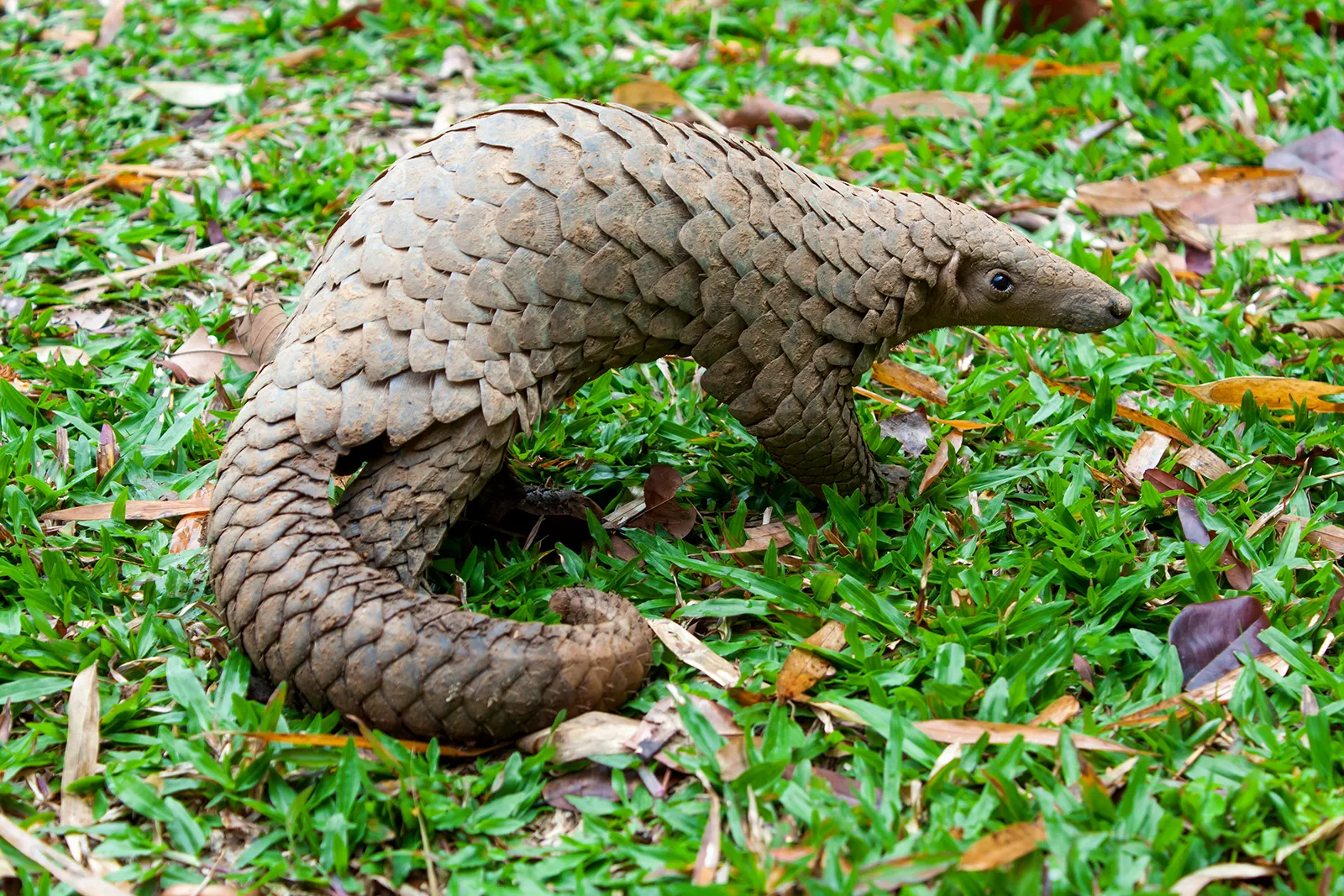
Pangolins are fascinating creatures known for their distinctive scales and unique behavior. They play crucial roles in their ecosystems, primarily by controlling insect populations. Despite this, these elusive mammals are facing a severe threat due to poaching and illegal trafficking, making them the most trafficked mammals in the world. Understanding the plight of pangolins is vital not just for biodiversity but also for ecological balance.
Current Situation and Threats
According to the World Wildlife Fund (WWF), an estimated 1 million pangolins have been illegally traded in the last decade. Their scales, which are made of keratin, are highly sought after in traditional medicine in countries like China and Vietnam, despite no scientific evidence supporting their supposed healing properties. Additionally, habitat loss due to deforestation and agriculture further exacerbates their decline, leading to a risk of extinction for all eight species of pangolins.
Conservation Efforts
In response to the immense pressure on pangolins, various organizations and governments have stepped up conservation efforts. The International Union for Conservation of Nature (IUCN) lists all eight species of pangolins as threatened or endangered. Recent measures include stricter regulations on wildlife trafficking, habitat protection initiatives, and awareness campaigns aimed at educating the public about the importance of pangolins and the consequences of illegal wildlife trade.
Conclusion: The Future of Pangolins
The future of pangolins hangs in the balance as they continue to face numerous threats. However, increased global awareness and concerted conservation efforts offer a glimmer of hope. It is crucial for communities, policymakers, and conservationists to work together to ensure these unique mammals are protected. By supporting pangolin conservation initiatives, individuals can contribute to safeguarding not only the pangolins but also the ecosystems they inhabit. The fate of pangolins can still be changed with collective action and commitment to preserving our planet’s biodiversity.