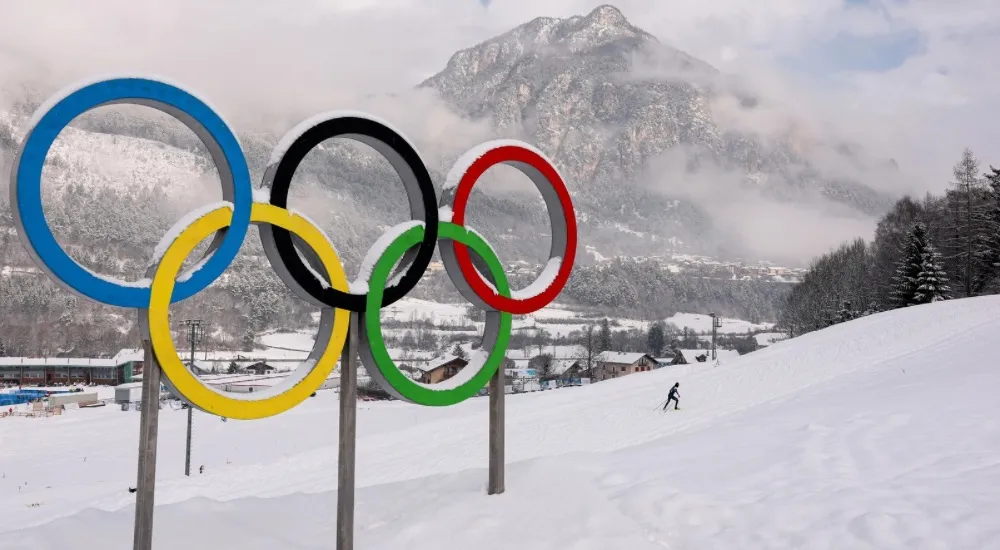
2026 Winter Paralympics Set to Begin
The 2026 Winter Paralympics are scheduled to open on March 6, 2026, in Milan-Cortina, Italy, featuring over 600 athletes from 56 countries. This event marks the 50th anniversary of the Winter Paralympics, highlighting a significant milestone in the history of adaptive sports.
Record Participation and Events
Among the competitors, a record 160 women athletes will participate, showcasing a 24-athlete increase compared to the previous games in Beijing 2022. The competitions will run through March 15, 2026, and will feature events across six sports: para Alpine skiing, para biathlon, para cross-country skiing, para ice hockey, para snowboard, and wheelchair curling.
Team USA and Global Representation
The United States is represented by 68 athletes at the 2026 Winter Paralympics, contributing to the diverse representation of nations and cultures. Observers note that this year’s games are particularly significant due to the increased visibility of female athletes, as highlighted by Laura Dwyer, who remarked, “That’s fantastic.”
Iran’s Withdrawal
However, not all nations will participate, as Iran has withdrawn from the event due to safety concerns for its athlete, Aboulfazl Khatibi Mianaei. Andrew Parsons, President of the International Paralympic Committee, expressed disappointment, stating, “It is really disappointing for world sport and especially for Aboulfazl that he is unable to travel safely to compete at his third Paralympic Winter Games.” Iran’s national flag was notably removed from the parade of nations during the opening ceremony due to this withdrawal.
Historical Context and Expectations
The 2026 Winter Paralympics are being hailed as the largest in history, coinciding with the event’s 50th anniversary. This milestone not only celebrates the achievements of athletes with disabilities but also emphasizes the ongoing evolution and acceptance of adaptive sports on a global scale.
Looking Ahead
As the games approach, details remain unconfirmed regarding the impact of geopolitical tensions on athlete participation. Observers are keenly watching how these factors may influence the overall atmosphere of the event and the experiences of the athletes involved.