Introduction
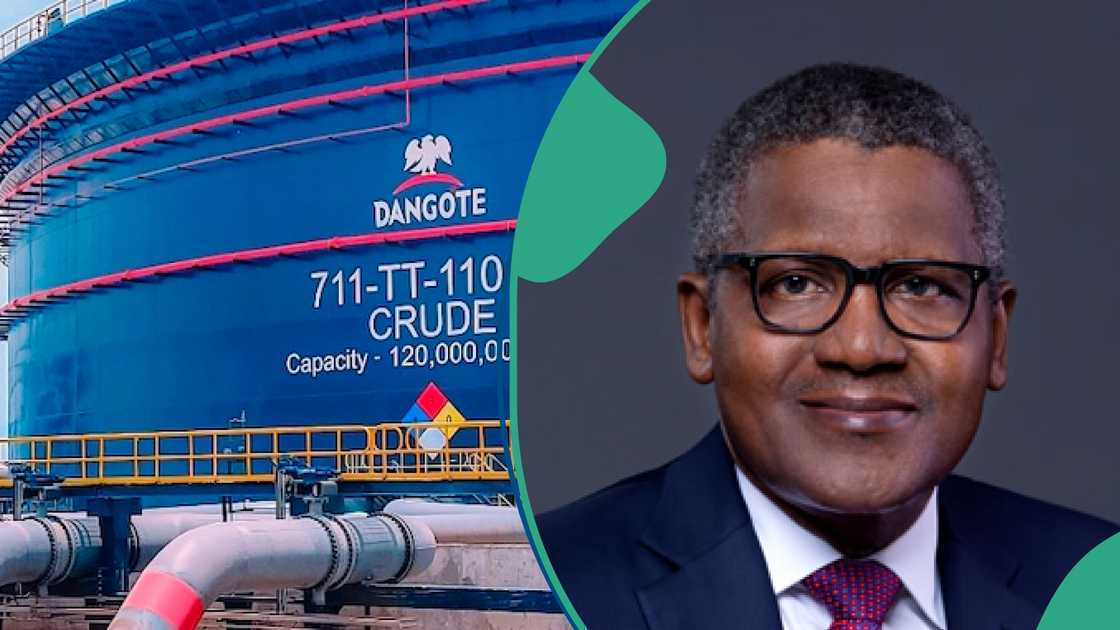
The Dangote Refinery, located in Lekki, Lagos, is poised to transform Nigeria’s fuel distribution landscape. As the largest refinery in Africa with a capacity of 650,000 barrels per day, its operations are expected to significantly enhance the country’s self-sufficiency in petroleum products. With Nigeria being one of the largest oil producers yet reliant on fuel imports, the refinery’s development is crucial for reducing dependency and stabilizing fuel prices.
Details of the Dangote Refinery Operations
Since its inception, the Dangote Refinery has focused on producing high-quality fuels that meet international standards. The refinery’s state-of-the-art technology not only ensures efficiency but also aims to reduce environmental impact. It will supply gasoline, diesel, and kerosene, targeting both domestic consumption and potential exports. This distribution network will see fuel transported to various regions across Nigeria, easing the logistical challenges that have historically plagued the fuel supply chain in the country.
Events and Developments
As of late 2023, the refinery has commenced limited operations, with full-scale production anticipated by early 2024. The Nigerian National Petroleum Corporation (NNPC) has already engaged with Dangote Industries to streamline the distribution processes, thereby enhancing access to quality fuel. Additionally, the refinery’s strategic partnerships with local distributors aim to ensure that the fuel reaches urban and rural communities effectively.
Conclusion and Future Prospects
The Dangote Refinery’s fuel distribution is projected to have far-reaching implications for Nigeria’s economic landscape. With the potential to generate thousands of jobs and reduce fuel costs, it stands as a critical pillar for Nigeria’s future energy security. Analysts predict that the successful operation of the refinery could turn Nigeria from a fuel importer to a net exporter. As this significant infrastructure continues to develop, it will not only change the way fuel is distributed in Nigeria but will also reshape the country’s broader economic outlook.